

What do mud huts in Africa, bamboo houses in Asia, and adobe dwellings in Latin America have in common?” They may look worlds apart, but they all belong to a fascinating tradition known as vernacular architecture. Unlike modern skyscrapers designed by star architects, vernacular buildings are born from the land, climate, culture, and community they serve. They are houses, temples, farms, and shelters designed not for fame but for function — and yet, they often end up being more beautiful and sustainable than the glass towers of today. In a world where global cities start to look alike, vernacular architecture reminds us that every region has its own story written in bricks, mud, wood, or stone. Let’s explore how different cultures around the world have built their homes and identities through vernacular design. What Is Vernacular Architecture? Vernacular architecture refers to buildings that are designed using local materials, traditional techniques, and knowledge passed down through generations. Unlike “formal” architecture, these structures are not usually created by professional architects, but by craftsmen and communities, responding to their environment and way of life. Key characteristics of vernacular architecture include: Now let’s journey across continents to see how vernacular traditions come alive in different parts of the world. 1. Adobe Homes of Latin America In the deserts and arid landscapes of Latin America, communities turned to adobe — a mixture of clay, sand, water, and straw — to build homes. These structures, common in Mexico, Peru, and the American Southwest, have thick earthen …

What do mud huts in Africa, bamboo houses in Asia, and adobe dwellings in Latin America have in common?”
They may look worlds apart, but they all belong to a fascinating tradition known as vernacular architecture. Unlike modern skyscrapers designed by star architects, vernacular buildings are born from the land, climate, culture, and community they serve. They are houses, temples, farms, and shelters designed not for fame but for function — and yet, they often end up being more beautiful and sustainable than the glass towers of today.
In a world where global cities start to look alike, vernacular architecture reminds us that every region has its own story written in bricks, mud, wood, or stone. Let’s explore how different cultures around the world have built their homes and identities through vernacular design.
What Is Vernacular Architecture?
Vernacular architecture refers to buildings that are designed using local materials, traditional techniques, and knowledge passed down through generations. Unlike “formal” architecture, these structures are not usually created by professional architects, but by craftsmen and communities, responding to their environment and way of life.
Key characteristics of vernacular architecture include:
- Use of locally available materials (stone, mud, bamboo, wood, thatch).
- Adaptation to climate (thick walls for insulation, open courtyards for ventilation, sloping roofs for rain).
- Reflection of cultural and social traditions.
- Sustainability, since they rely on natural and renewable resources.
Now let’s journey across continents to see how vernacular traditions come alive in different parts of the world.
1. Adobe Homes of Latin America
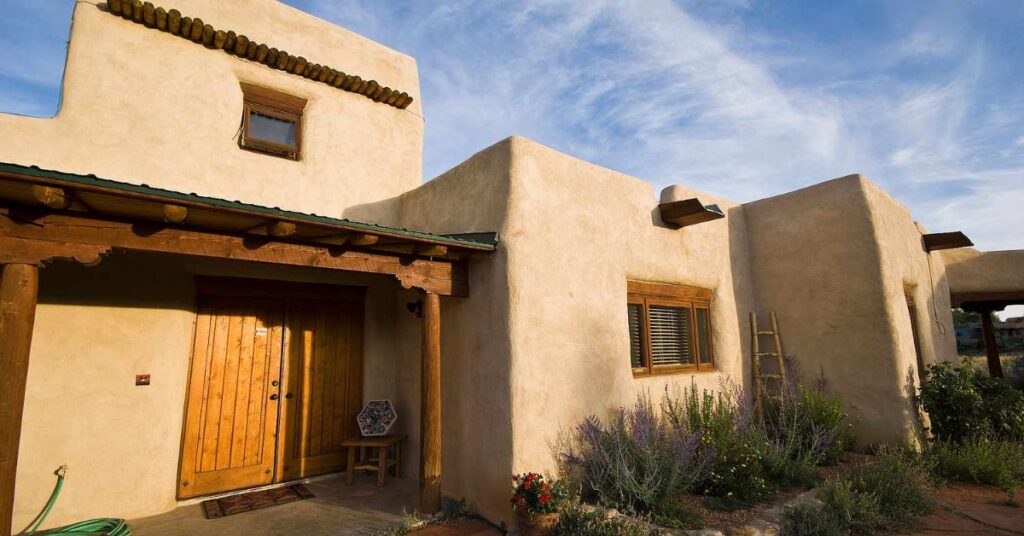
In the deserts and arid landscapes of Latin America, communities turned to adobe — a mixture of clay, sand, water, and straw — to build homes. These structures, common in Mexico, Peru, and the American Southwest, have thick earthen walls that keep interiors cool during hot days and warm during cold nights.
One of the most famous examples is the Taos Pueblo in New Mexico, a UNESCO World Heritage Site where multistory adobe dwellings have been continuously inhabited for over 1,000 years.
Why it matters: Adobe houses show how natural building materials can create durability and comfort without modern technology.
2. Japanese Minka Houses
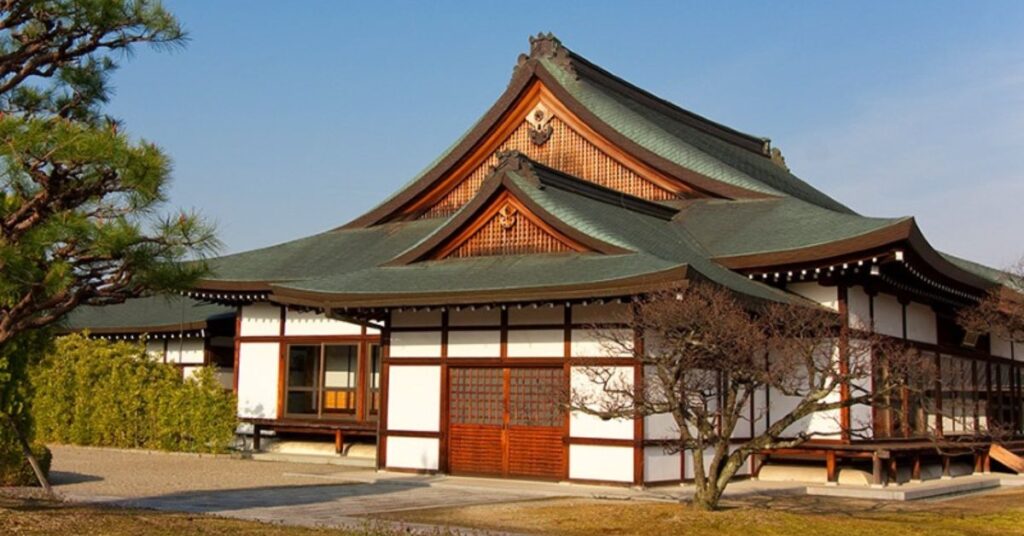
In Japan, traditional rural houses known as minka showcase vernacular architecture at its finest. Built by farmers, artisans, and merchants, minka use wooden frames, tatami mat flooring, paper screens (shoji), and steep thatched roofs designed to shed heavy snow.
Each region developed its own variations — coastal minka have raised floors for ventilation, while mountainous regions feature thick insulation against the cold.
Why it matters: Minka demonstrate adaptation to climate and lifestyle, while preserving harmony with nature — a core value in Japanese culture.
3. Stone Cottages of Europe
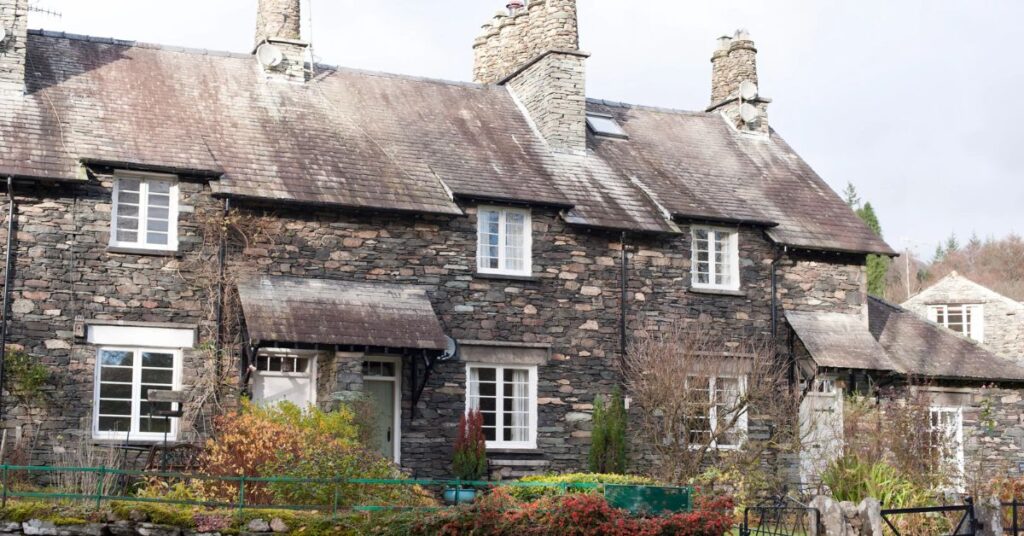
Travel through rural Ireland, Scotland, or France, and you’ll see quaint stone cottages scattered across the countryside. These homes were built with locally quarried stone, often with thatched or slate roofs.
Stone walls not only provided thermal mass for insulation but also durability against harsh weather. Many of these cottages, centuries old, are still standing today, testifying to the resilience of traditional craftsmanship.
Why it matters: These cottages remind us how local geology shaped local architecture.
4. Bamboo Houses of Southeast Asia
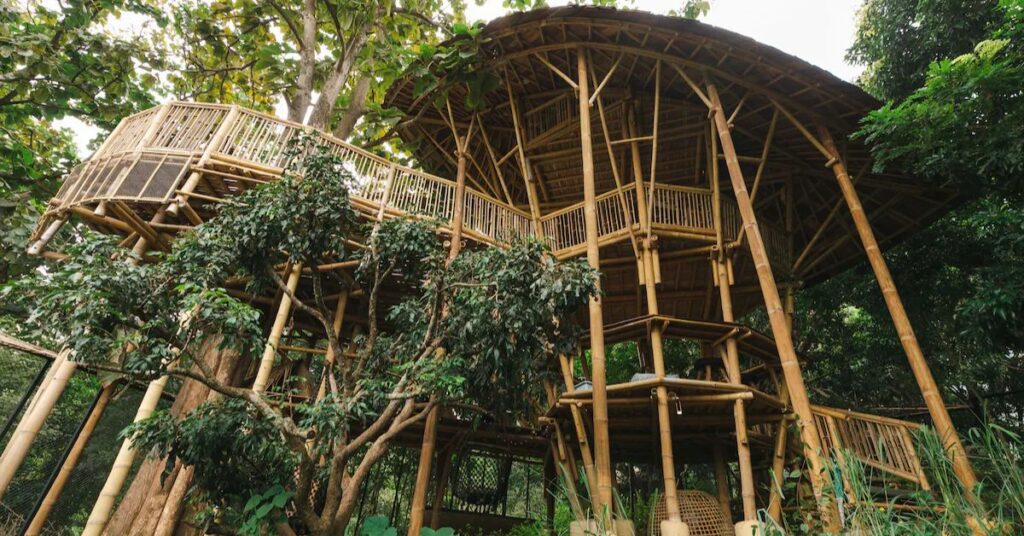
In tropical countries like Indonesia, Vietnam, and the Philippines, bamboo has long been a primary building material. Lightweight yet strong, bamboo grows quickly and is highly renewable. Traditional bamboo houses are often elevated on stilts, protecting inhabitants from floods, pests, and humidity.
One striking example is the Ifugao rice terrace houses in the Philippines, where bamboo and wood structures blend seamlessly into mountain landscapes.
Why it matters: Bamboo houses embody eco-friendly construction and ingenious responses to tropical environments.
5. Mudbrick Architecture of Africa
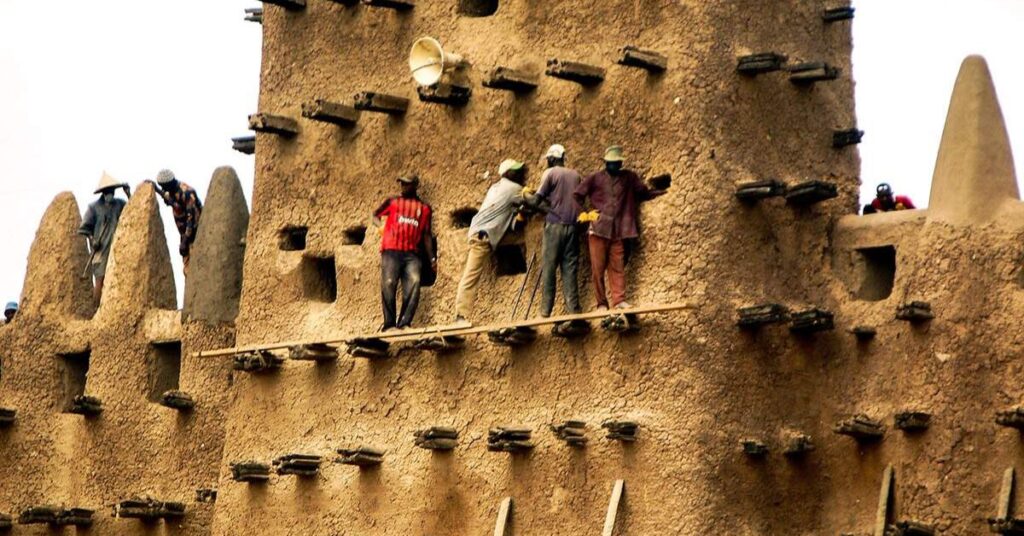
Across much of Africa, vernacular buildings rely on mudbrick and clay plaster. In Mali, the Great Mosque of Djenné — the world’s largest mudbrick structure — showcases the artistry of earthen architecture.
In rural villages, houses are often circular with thatched roofs, designed to keep interiors cool during extreme heat. These homes are built and maintained by communities, with annual replastering rituals turning construction into a cultural celebration.
Why it matters: African mudbrick architecture highlights how community participation and tradition are central to vernacular building.
6. Courtyard Houses of the Middle East
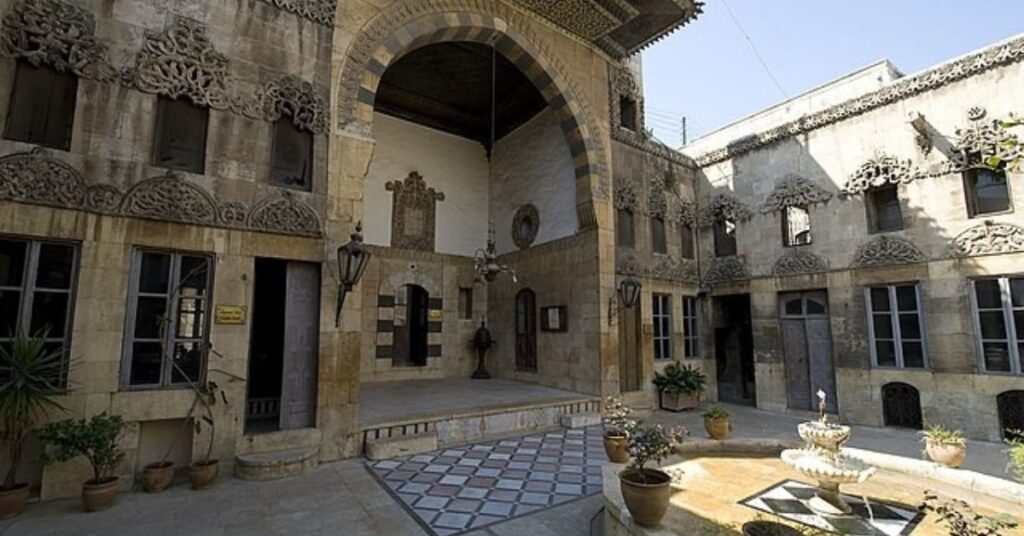
In hot, arid climates like Iran, Syria, and Morocco, traditional homes often feature central courtyards. These courtyards serve multiple purposes: bringing in light, creating privacy, and regulating temperature by trapping cool air.
Famous examples include the riads of Morocco, with inward-facing rooms, lush gardens, and fountains that turn the courtyard into an oasis.
Why it matters: Courtyard houses reveal how architecture can create comfort in harsh desert climates while reflecting cultural values of privacy and family life.
7. Indigenous Longhouses of North America
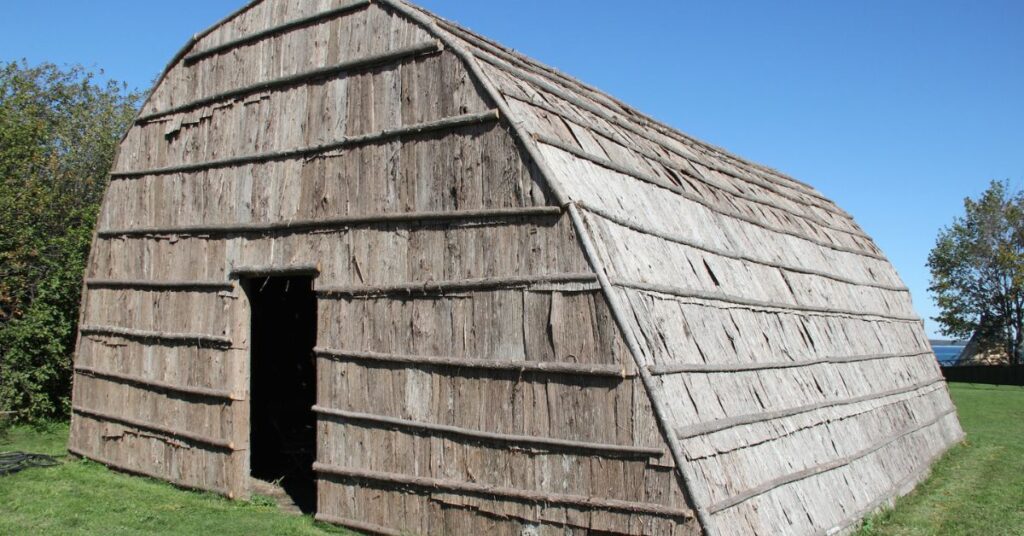
Among Indigenous communities in North America, longhouses were a common form of vernacular architecture. Built by groups like the Iroquois, these large wooden structures housed multiple families under one roof.
Longhouses symbolized community living, cooperation, and shared responsibility — values central to the culture. Their design used timber frames covered with bark, reflecting the forests of the region.
Why it matters: Longhouses show how vernacular architecture expresses social structures, not just shelter.
8. Stepwell Architecture of India
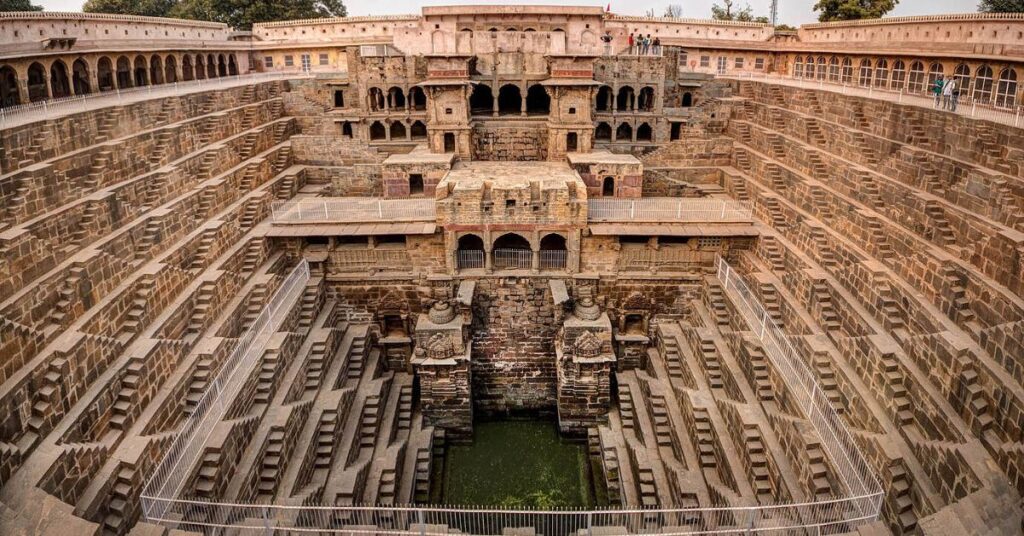
In India, vernacular architecture often adapted to water scarcity. Stepwells (baolis), particularly in Rajasthan and Gujarat, combined practicality with beauty. These deep wells allowed communities to access water year-round, with steps leading down to the water table.
Many stepwells, like Rani ki Vav in Gujarat (a UNESCO site), are richly decorated, blending functionality with artistry.
Why it matters: Stepwells highlight how vernacular architecture often solved environmental challenges in ingenious ways.
Why Vernacular Architecture Matters Today
In the 21st century, with climate change and sustainability challenges, architects are once again turning to vernacular traditions for inspiration. Here’s why:
- Sustainability: Local materials mean less energy used in transportation and construction.
- Climate Adaptation: Designs respond naturally to heat, cold, rain, and wind.
- Cultural Identity: Vernacular buildings preserve traditions and strengthen community pride.
- Affordability: They often cost less, making housing accessible to more people.
Modern architects often blend vernacular wisdom with contemporary design, creating buildings that are both innovative and sustainable.
Final Thoughts
Vernacular architecture is not about grand monuments or star architects. It’s about people, places, and traditions. From bamboo huts in Asia to adobe homes in Latin America, these buildings tell the story of human resilience, creativity, and harmony with the environment.
By exploring vernacular architecture around the world, we don’t just see how people lived — we also learn valuable lessons about sustainable living, cultural diversity, and design rooted in context.
So next time you travel, don’t just look for the tallest skyscraper. Look for the humble local house — because it might just hold the secrets to the future of architecture.