

Net-zero architecture is about reducing the energy we use before we make renewable energy. The goal is to create homes that use few resources while keeping the people who live in them comfortable all year round.
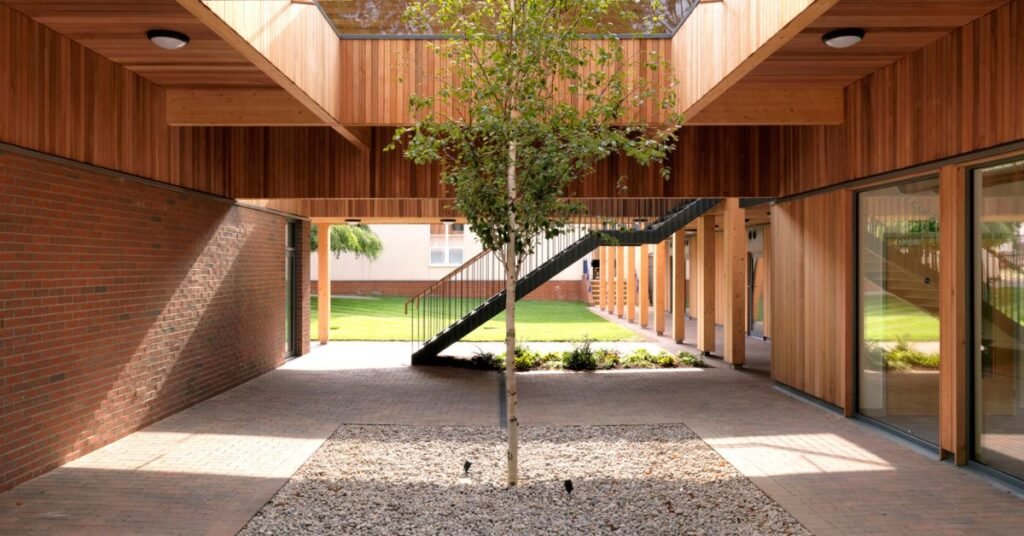
Eco friendly homes are becoming increasingly popular as people become more aware of the need to protect the environment. A net-zero home is a house that produces as much energy as it consumes in a year, helping reduce environmental impact while improving comfort, efficiency, and long-term sustainability.
For people who design homes and for people who live in them, zero architecture is a great way to live in a way that is good for the earth. By using design, renewable energy and materials that are sustainable these homes show us that we can have beautiful spaces that are also good for the environment. The growing focus on sustainability can be seen across multiple industries, from residential architecture to event management, where environmentally responsible practices are becoming increasingly important.
This guide will help us understand the ideas and design strategies behind creating an eco-friendly home through net-zero architecture.
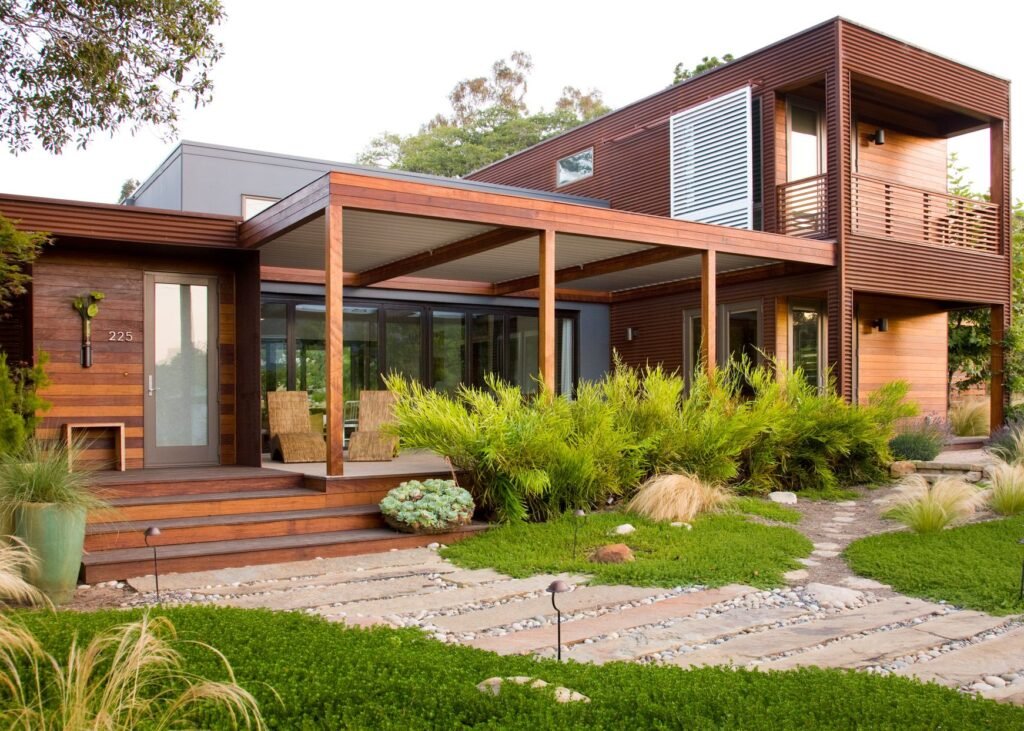
Understanding Eco Friendly Design in Net-Zero Architecture
Net-zero architecture is about reducing the energy we use before we make renewable energy. The goal is to create homes that use few resources while keeping the people who live in them comfortable all year round.
Unlike homes, net-zero homes are designed to work well as a whole. Every decision, from where the home’s placed to what materials are used helps the home work better. An eco-friendly home is not about putting solar panels on the roof. It starts with planning that reduces energy use from the beginning.
Why Are Eco Friendly Homes Shaping the Future of Residential Architecture?
Because of climate change, high energy costs and people becoming more aware of the environment there is a demand for homes that are sustainable.
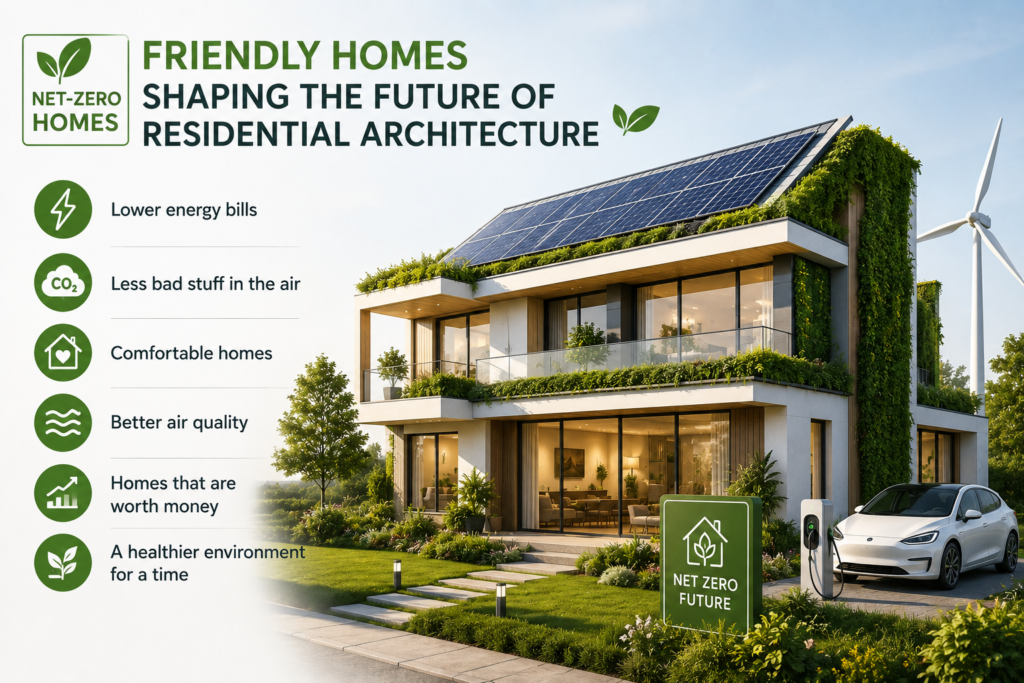
Net-zero homes have benefits, including:
- Lower energy bills
- Less bad stuff in the air
- Comfortable homes
- Better air quality
- Homes that are worth money
- A healthier environment for a time
As governments make rules for building homes, net-zero design is becoming very important for future homes.
Eco Friendly Site Planning and Building Orientation
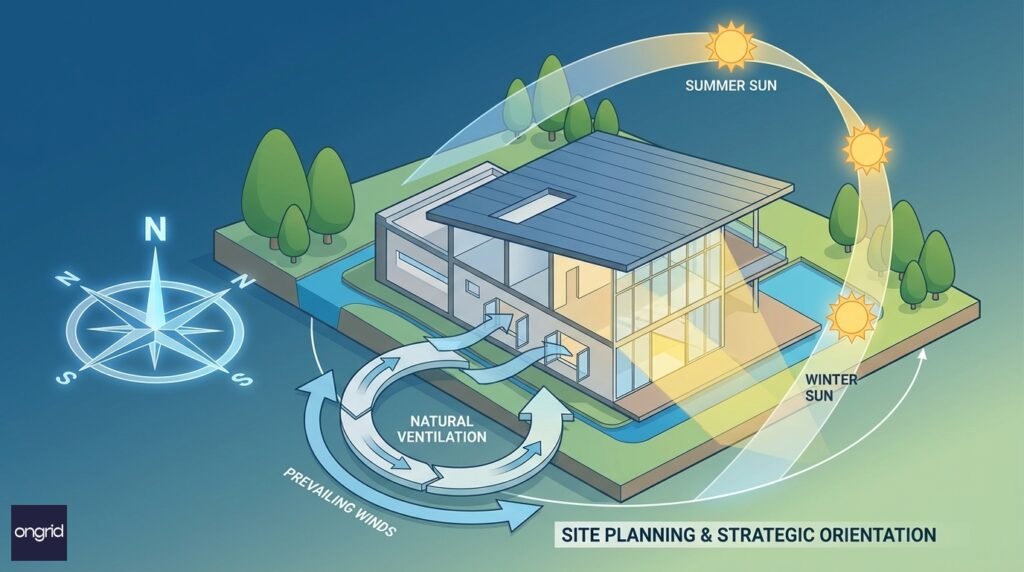
One of the important things about net-zero architecture is planning the site and where the home will be placed. Where a home is. Which way it faces can greatly affect how well it uses energy.
Designers often place homes to get the sunlight and heat from the sun while keeping the home cool in the summer.
Some key things to think about include:
- Which way the home faces
- How the sun moves across the sky
- Which way the wind blows
- How the home fits into the landscape
- How to block much sun
By planning well we can reduce the need for heat, cool air and lights throughout the year.
Eco Friendly Building Materials for Homes
The materials we use to build homes can greatly affect the environment.
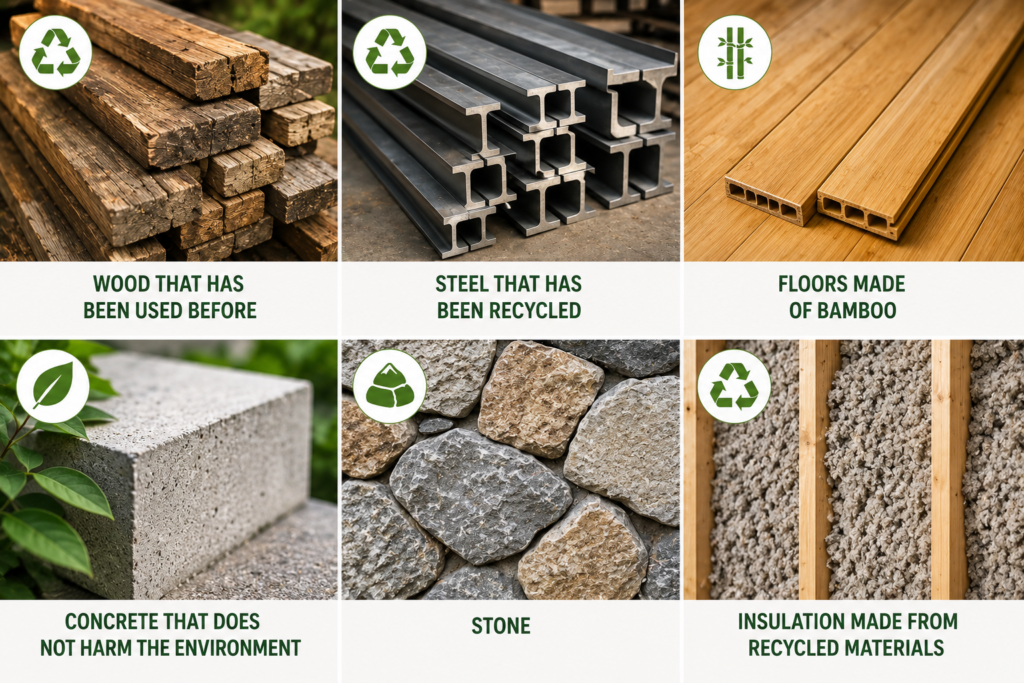
Some materials that are good for the earth and used in zero homes include:
- Wood that has been used before
- Steel that has been recycled
- Floors made of bamboo
- Concrete that does not harm the environment
- Stone
- Insulation made from recycled materials
Designers are choosing materials that are good for the earth and last a long time. These choices not only help the environment but also make our homes healthier. Using materials from places can also reduce the bad things that happen when we move materials around and help the local economy.
Eco Friendly Energy Efficiency Through High-Performance Building Envelopes
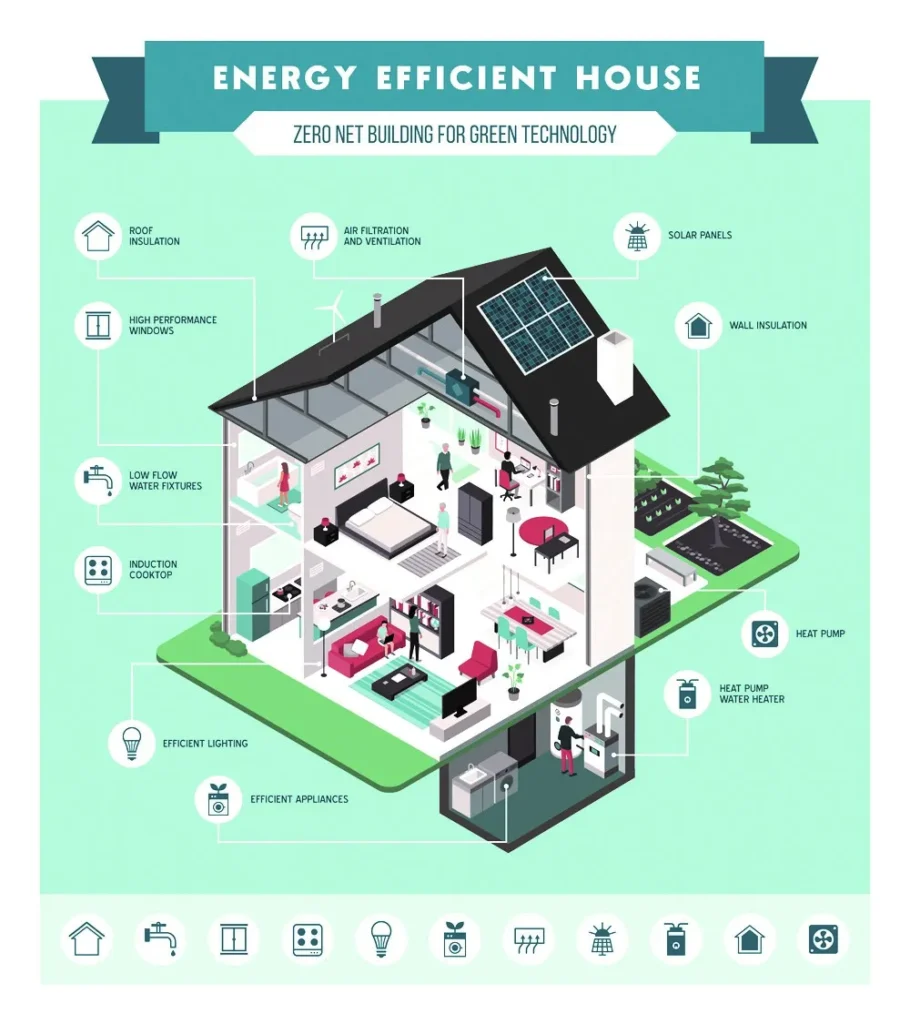
The outside of a home is like a shield that keeps the energy from escaping. A high-performance envelope helps keep the home comfortable while using energy.
Some important parts of the envelope include:
- Insulation
- A home that is airtight
- Windows that use energy efficiently
- Reducing heat loss
- Advanced systems to keep the weather out
A designed envelope reduces the need for heat and cool air making it easier for renewable energy systems to meet our energy needs.
Eco Friendly Renewable Energy Solutions for Net-Zero Homes
After reducing energy use, renewable energy systems help us make the energy we need.
Some popular renewable energy technologies include:
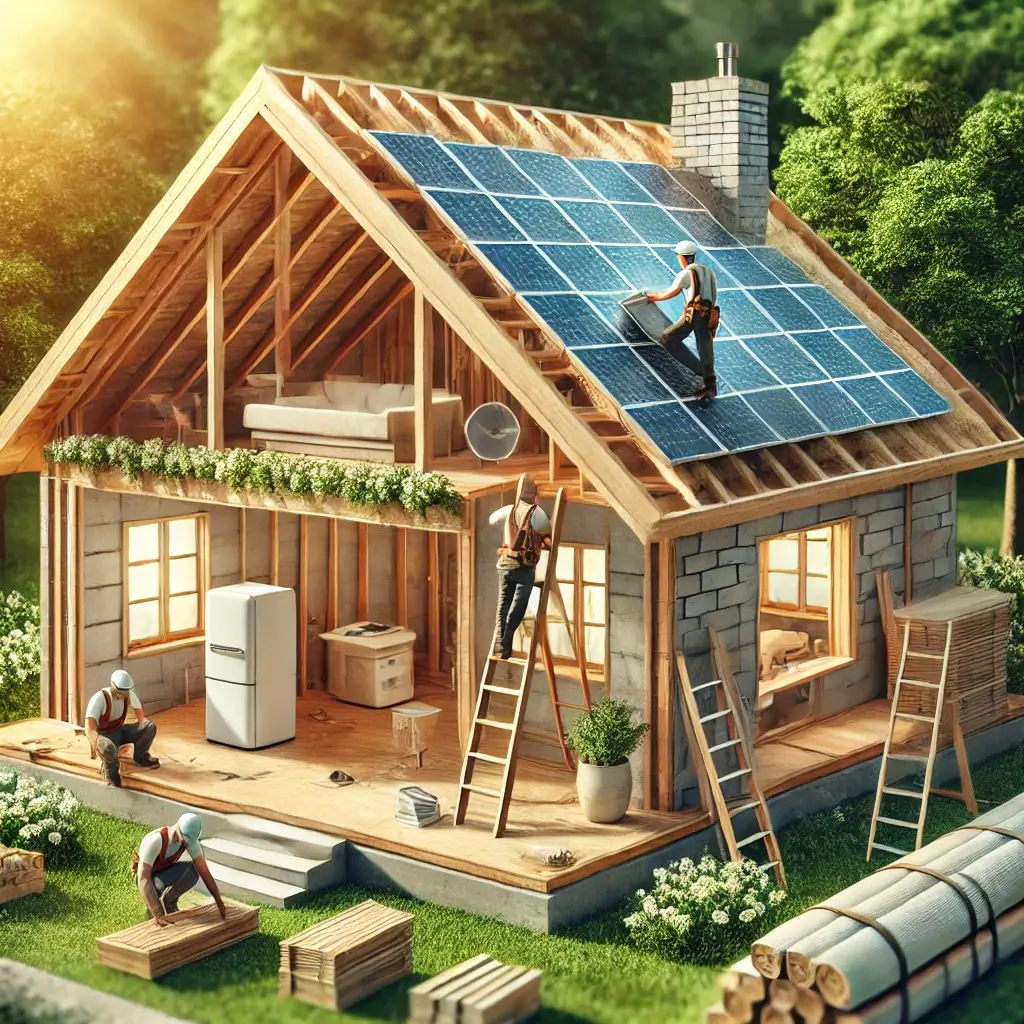
- Solar panels on the roof
- Systems that heat water with sunlight
- Heat pumps that use the earth’s heat
- Wind energy systems
- Batteries that store energy
Solar panels are a common choice for homes that want to be net-zero because they are reliable and not too expensive to install. Using energy allows homeowners to make clean energy and reduces our need for energy from other sources.
Eco Friendly Interior Design Strategies for Living
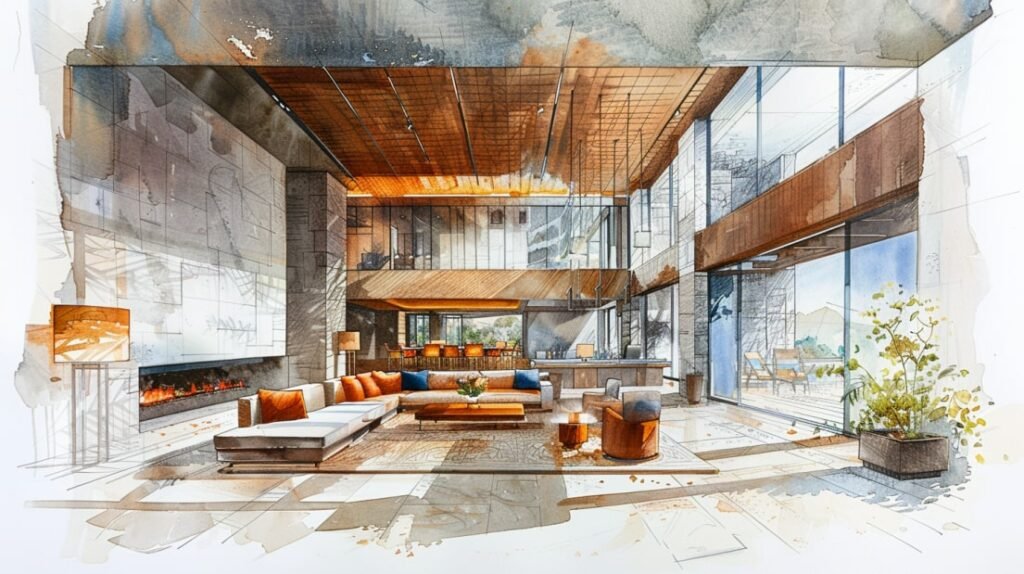
The way we design the inside of our homes is important for achieving our sustainability goals. By choosing materials and designs that’re thoughtful we can improve energy performance and create healthier homes.
Some sustainable interior strategies include:
- Using recycled materials
- Paints and finishes that do not harm the environment
- Lights that use energy efficiently
- Furniture that lasts a time
- Plants that help clean the air
- Layouts that use light
Many modern homes show us that we can have sustainable and beautiful spaces without sacrificing how they look.
Eco Friendly Water Conservation Methods in Modern Homes
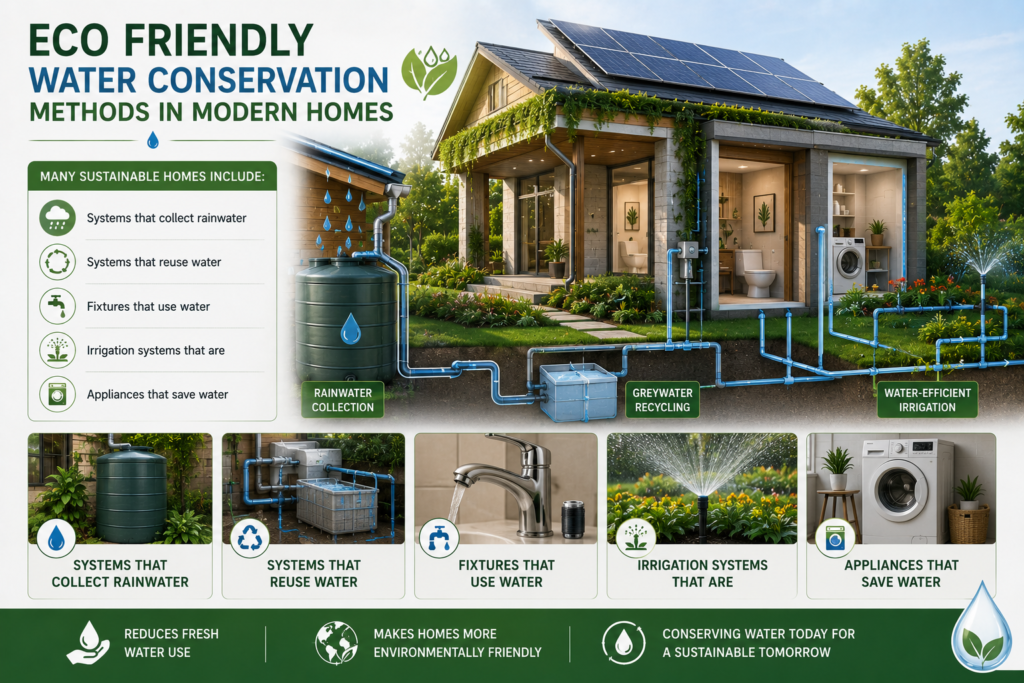
Conserving water is another part of net-zero living. Water conservation is a key component of sustainable residential design. Modern eco-friendly homes incorporate solutions such as rainwater harvesting systems, greywater recycling, low-flow faucets, dual-flush toilets, and water-efficient appliances to reduce overall water consumption.
Many sustainable homes include:
- Systems that collect rainwater
- Systems that reuse water
- Fixtures that use water
- Irrigation systems that are
- Appliances that save water
These systems reduce the amount of fresh water we use and make our homes more environmentally friendly. As water becomes scarce, conservation strategies are becoming more important in architecture.
Smart Technology and Eco Friendly Home Performance
Technology has changed the way zero homes work. Smart systems allow homeowners to monitor and optimize energy use in time. Advanced technologies can automatically adjust lighting, temperature, and ventilation based on occupancy and weather conditions, reducing unnecessary energy consumption.
Some common smart home technologies include:
- Automated lighting controls
- Thermostats
- Systems that monitor energy use
- Sensors that detect when someone is home
- Automated shading devices
- Ventilation systems that’re smart
These technologies help keep our homes comfortable while reducing unnecessary energy use. By combining architecture, renewable energy and smart technology we can create homes that’re highly efficient and can adapt to changing conditions.
Challenges of Creating an Eco Friendly Net-Zero Home
Although zero architecture has many benefits there are still some challenges.
Some common obstacles include:
- Higher costs when building the home
- Design requirements
- Complex technology integration
- Limited availability of certain materials
- Site-specific performance constraints
However the money we save on energy and the benefits to the environment often make up for the initial costs over the life of the home. As sustainable technologies become more available the adoption of zero housing is expected to grow worldwide.
The Future of Eco Friendly Net-Zero Architecture
The future of architecture is focused on sustainable building practices, resilience, and using resources efficiently. Net-zero homes are a step towards reducing the bad things we do to the environment and improving our quality of life.
By embracing design strategies and responsible construction practices net-zero architecture shows us that homes can be both high-performing and good for the earth. Zero architecture is changing the way we build homes in a responsible way. By planning using sustainable materials, renewable energy systems and efficient interior design homeowners can create spaces that use fewer resources while providing great comfort and functionality.
An eco-friendly approach to design is no longer a niche idea. It is becoming the foundation of future architecture. As awareness and technology continue to evolve, zero homes will play a vital role in shaping a more sustainable and resilient built environment.