

Bastian is more than a luxury restaurant. It is a design-led hospitality experience where interiors, lighting, scale, materials, views, and atmosphere come together to create a memorable dining destination.
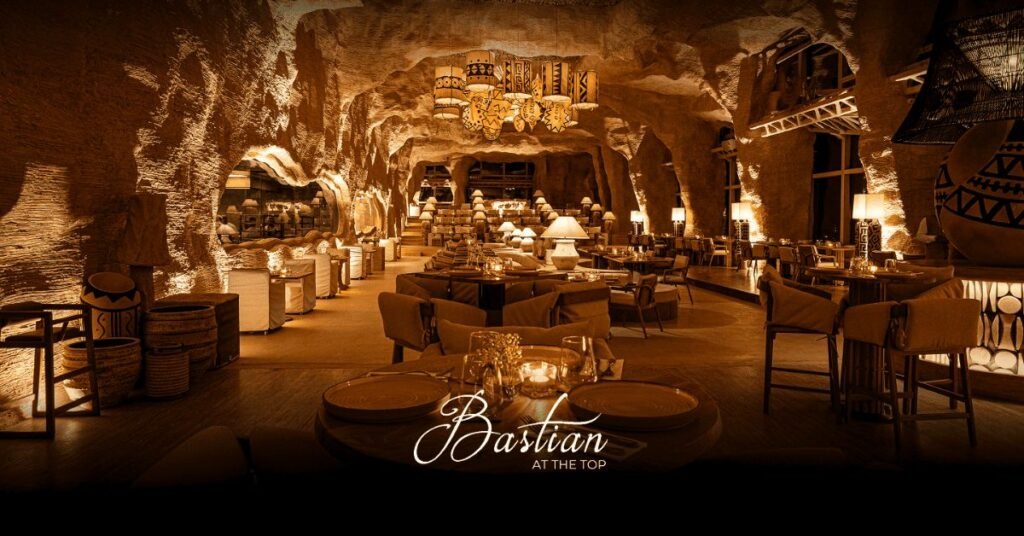
Bastian has become one of India’s most talked-about luxury dining names, not only because of its food and celebrity appeal, but also because of the way it creates a complete hospitality experience. For architects and interior designers, the restaurant offers an interesting case study in how a dining space can become a destination through ambience, material selection, scale, lighting, and emotional storytelling.
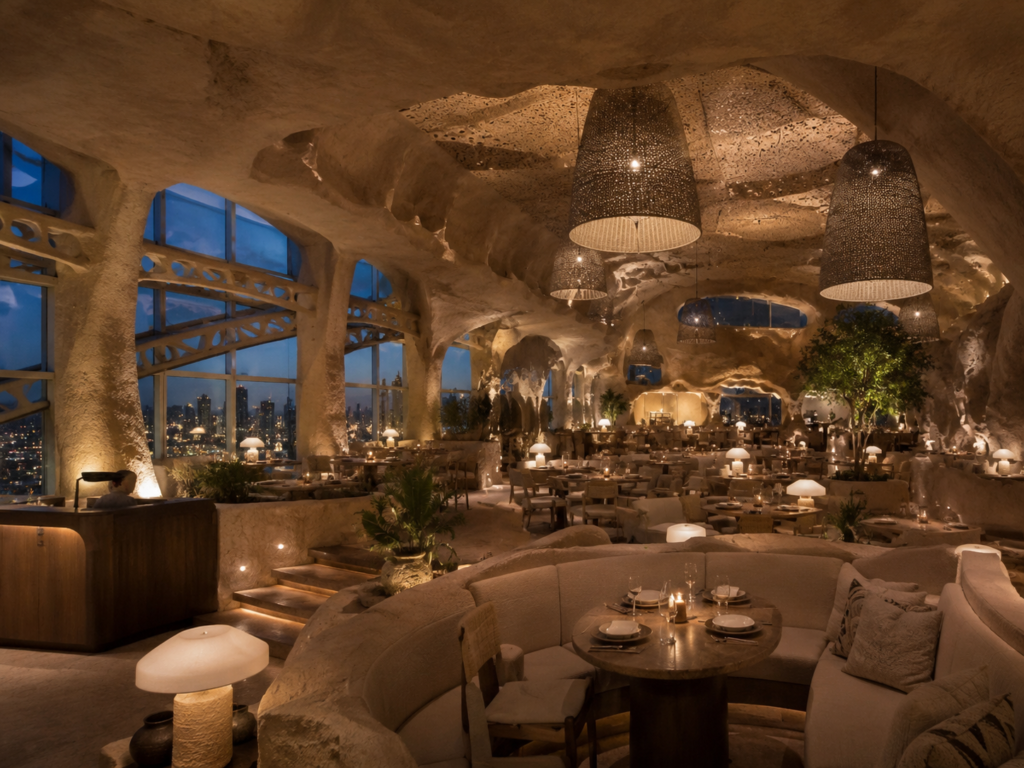
Among its most discussed locations, Bastian At The Top in Mumbai stands out as a strong example of luxury restaurant design, with interiors designed by Minal Chopra of ineedspace. Located high above the city, the rooftop venue combines panoramic views, cave-inspired interiors, earthy textures, dramatic scale, greenery, and a premium dining atmosphere. This makes it especially relevant for architecture and interior design readers.
Why Bastian Matters in Restaurant Design?
Bastian matters because it shows how hospitality design can transform a dining venue into a lifestyle destination. The space is not designed only around tables, chairs, and food service. It is designed around arrival, mood, visual drama, comfort, social interaction, and brand identity.
A successful luxury restaurant must balance many things at once. It needs to feel grand but still comfortable. It needs to look photogenic but also function smoothly. It needs to create atmosphere without making guests feel overwhelmed. This restaurant achieves that balance through strong spatial themes, controlled lighting, rich textures, and a sense of escape from the city outside.
For architects, the project offers lessons in scale, zoning, circulation, ceiling height, visual hierarchy, and how a commercial space can create impact. For interior designers, it offers lessons in material combinations, lighting moods, furniture placement, colour palette, and sensory experience.
The Designer Behind Bastian At The Top
The interiors of this rooftop restaurant were designed by Minal Chopra of ineedspace, who has been closely associated with the design language of the group’s restaurant spaces. Her work gives the venue its distinctive cave-inspired identity, using earthy textures, sculptural forms, warm tones, dramatic height, greenery, and immersive hospitality details to create a space that feels both luxurious and experiential.
This designer credit is important because the restaurant’s visual impact is not accidental. The ambience, material palette, lighting, textures, and spatial mood are all part of a clear hospitality design vision. Instead of treating interiors as decoration, the space uses design to shape how guests feel from the moment they enter.
For architecture and interior design readers, Minal Chopra’s approach shows how a restaurant can become memorable through concept-led interiors. The design does not simply support the dining experience. It becomes a major part of the experience itself.
The Design Story Behind Bastian At The Top
The rooftop restaurant is one of the most visually striking hospitality spaces in Mumbai. Its location on the 48th floor gives it a strong architectural advantage. The height, skyline, and city views already create drama before the interiors even begin.
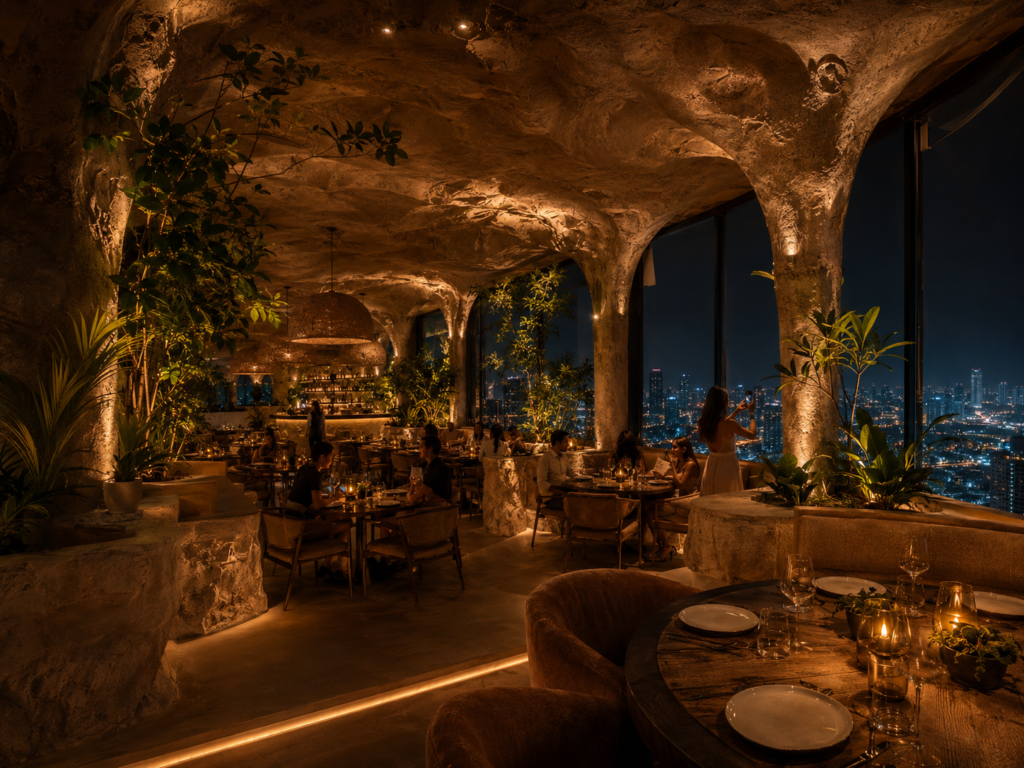
Instead of designing the space as a typical glass-box rooftop venue, the interiors create a contrasting world. The concept moves towards a cave-inspired atmosphere with earthy tones, textured surfaces, sculptural forms, and a sense of rustic luxury. This contrast between the busy Mumbai skyline outside and the calm, earthy interior world inside makes the experience more memorable.
The design does not depend only on expensive materials. It depends on storytelling. Guests are not simply entering a restaurant. They are entering a space that feels removed from the city, almost like a desert cave placed above Mumbai’s urban landscape.
This is an important lesson for hospitality design. A strong restaurant concept should not stop at decoration. It should shape the complete guest journey.
Cave-Inspired Interiors and Earthy Luxury
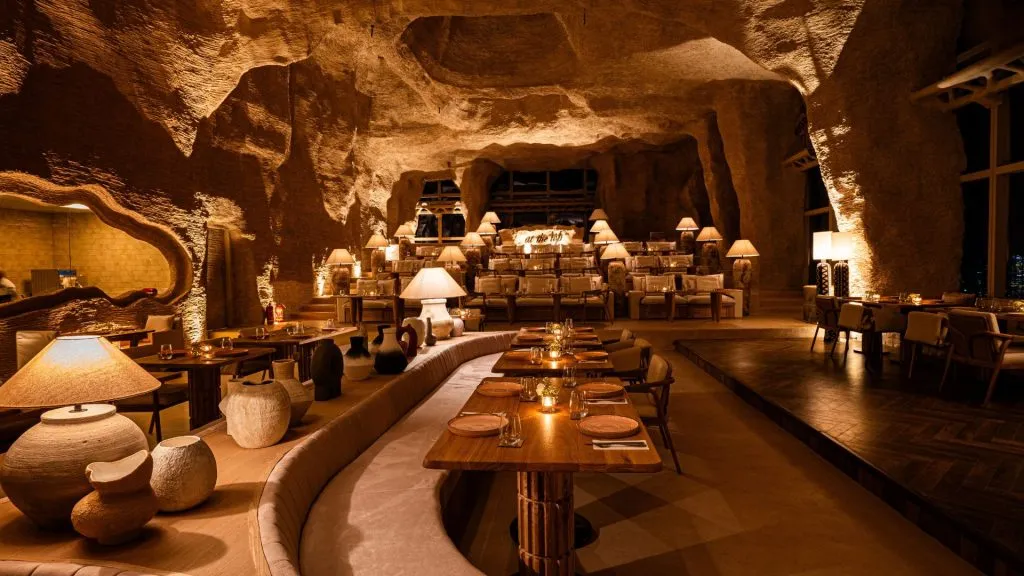
One of the most powerful design features of bastian is its cave-inspired interior language. The space uses sandy tones, textured finishes, organic surfaces, and sculptural forms to create a warm and immersive atmosphere.
The cave-like design gives the restaurant a unique identity. It moves away from the polished sameness often seen in luxury dining spaces. Instead of relying only on glossy surfaces, mirrors, and metallic finishes, the interiors use texture and depth to create character.
This earthy luxury approach is important because it feels rich without becoming cold. Stone-like finishes, travertine-inspired surfaces, cobblestone textures, ceramics, and warm neutral tones help create a grounded mood. These elements make the interiors feel tactile and layered.
For interior designers, this shows the power of texture. A restaurant can feel luxurious not only through shine, but also through material depth, natural tones, and carefully controlled imperfection.
Rooftop Dining and the Power of Views
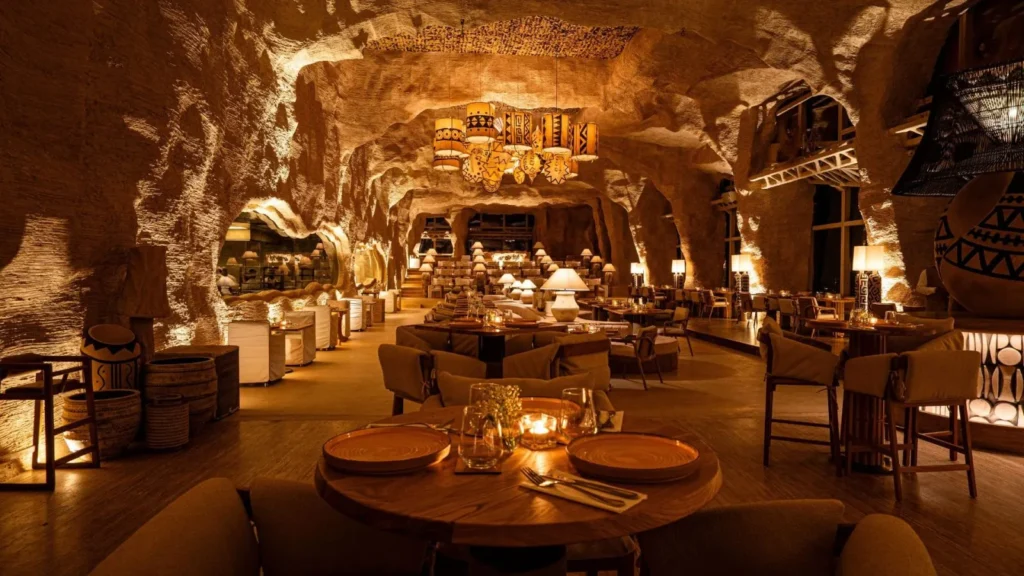
The rooftop location plays a major role in the design impact. A high-rise restaurant has a natural advantage because it offers height, openness, skyline views, and a sense of occasion.
However, good design is needed to use this advantage well. The seating layout, lighting, window views, bar position, movement paths, and social zones must all work together. If the planning is weak, even a beautiful view can feel wasted.
Here, the city becomes a backdrop. Guests are not only looking at interiors; they are also looking at Mumbai from above. This creates a powerful sense of luxury and exclusivity.
For architects, this shows how site and context can become part of the interior experience. The building height, skyline, and city lights are not separate from the restaurant. They become part of the design story.
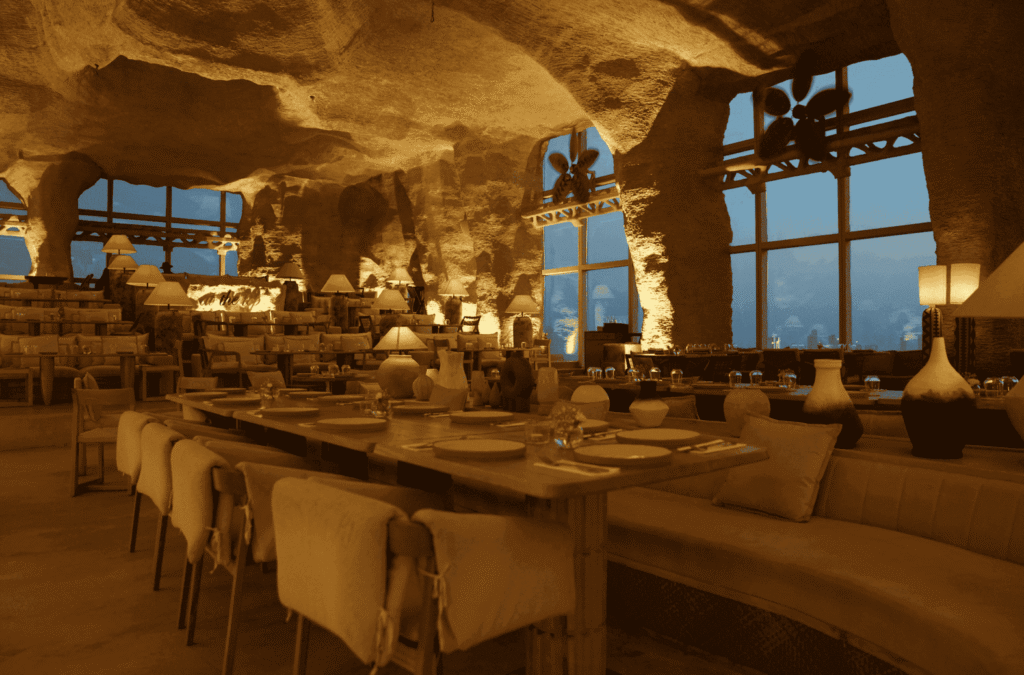
Lighting and Ambience
Lighting is one of the strongest elements in restaurant design, and this space uses ambience as a major part of its identity. In a luxury dining space, lighting must support comfort, photography, food presentation, and mood.
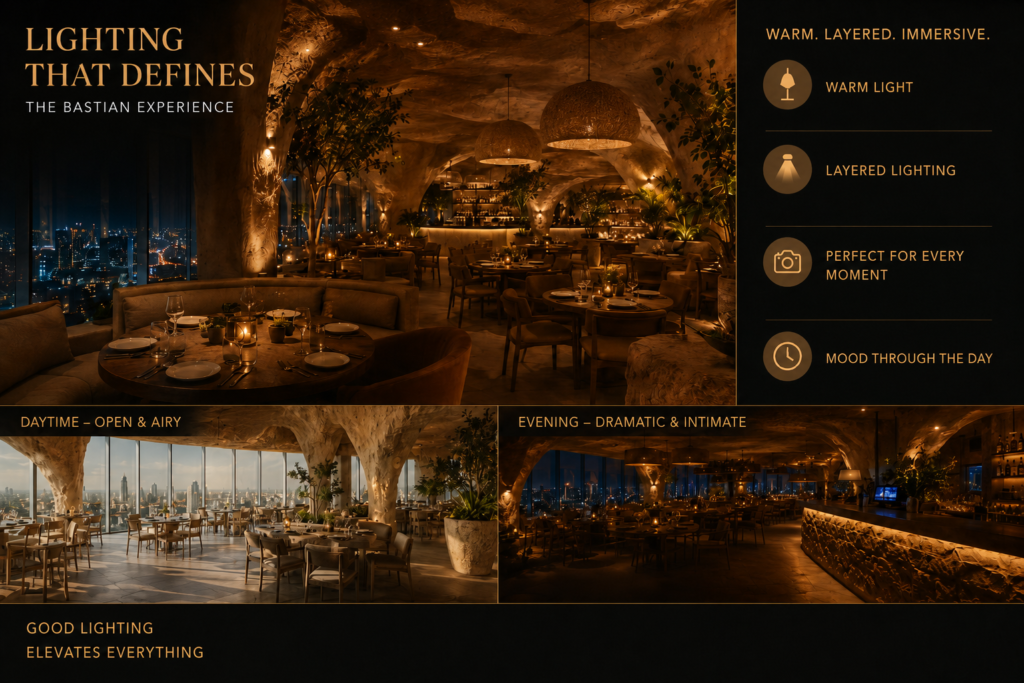
Warm lighting works well with the earthy material palette. It highlights textures, softens large volumes, and creates intimacy within a grand setting. The combination of ceiling lights, decorative fixtures, accent lighting, and natural city glow helps create layers.
A restaurant like bastian also needs to change mood across the day. Daytime dining may feel open and bright because of the rooftop views, while evening dining becomes more dramatic with city lights and a stronger lounge-like atmosphere.
For interior designers, this proves that lighting is not an afterthought. It controls how people feel, how materials appear, how food is seen, and how long guests want to stay.
Spatial Planning and Guest Experience
The success of a restaurant depends heavily on planning. A beautiful restaurant can fail if circulation, seating, service movement, and zoning are not handled properly.
A restaurant of this scale needs clear movement paths, comfortable seating zones, visual variety, and smooth service flow. Guests should feel the energy of the space without feeling lost or crowded.
Different zones help create different experiences within the same restaurant. Some guests may want a social dining experience, some may prefer skyline views, some may enjoy a lounge-like mood, and others may want a more intimate table setting.
This layered planning makes the restaurant flexible. It can work for celebrations, business dinners, social gatherings, date nights, and luxury weekend dining.
Branding Through Interior Design
The interiors are not just beautiful. They also strengthen the brand. The design helps people remember the restaurant visually, emotionally, and socially.
In today’s hospitality world, restaurants need a strong visual identity. Guests often discover restaurants through social media, photographs, reels, and recommendations. This means the space itself becomes part of the marketing.
Bastian has a strong identity because its interiors are instantly recognisable. The cave-inspired theme, rooftop setting, earthy palette, dramatic scale, and luxury ambience all work together to create a memorable brand image.
For architects and interior designers, this shows how design can support business strategy. A strong restaurant interior can improve recall value, social media presence, customer experience, and brand positioning.
What Interior Designers Can Learn from Bastian?
Interior designers can learn several important lessons from this project. The first lesson is the importance of concept clarity. A strong concept helps guide every decision, from materials and lighting to furniture and layout.
The second lesson is the value of atmosphere. A restaurant should not only look good in photographs. It should feel good when people sit, eat, talk, and move through the space.
The third lesson is the role of texture. Smooth luxury is common, but textured luxury feels more memorable. This project shows how earthy finishes, warm tones, and sculptural forms can create a rich and immersive environment.
The fourth lesson is the importance of zoning. Large restaurants need smaller experiences within them. Different seating areas, views, moods, and lighting conditions help create variety.
The fifth lesson is branding. Interior design should support the identity of the restaurant. When the design is strong, guests remember the space long after they leave.
What Architects Can Learn from Bastian?
Architects can also learn from this hospitality project because the restaurant shows how architecture, interiors, and hospitality planning work together. To understand this relationship more clearly, readers can also explore this guide on architecture vs interior design, which explains how structure, interiors, materials, lighting, and user experience come together to shape meaningful spaces.
The rooftop location of bastian proves the importance of context. A strong site can become a major part of the design experience. Instead of hiding the city, the restaurant uses the city as a backdrop.
The high ceilings and large volume show how scale can create drama. However, scale must be controlled through lighting, material texture, furniture, and zoning. Without these elements, a large space can feel empty or uncomfortable.
The design also shows the importance of arrival. In luxury hospitality, the guest journey begins before the table. The entry, transition, first view, lighting, and spatial reveal all shape the experience.
Architects can study this space as an example of how commercial interiors can become destinations when design, view, function, and emotion are planned together.
Final Thoughts on Bastian
This luxury restaurant is more than a dining venue. It is a hospitality experience shaped through design, ambience, material, scale, lighting, and brand identity. Its rooftop location, cave-inspired interiors, earthy palette, city views, and dramatic atmosphere make it one of India’s most visually memorable dining spaces.
For architects, bastian offers lessons in context, scale, circulation, zoning, and spatial experience. For interior designers, it offers lessons in texture, lighting, mood, furniture, material harmony, and emotional storytelling.
The biggest design lesson from this project is that a restaurant should not only serve food. It should create memory. When architecture and interiors work together, dining becomes an experience that people remember, photograph, share, and return to.
That is why this hospitality project stands out in India’s luxury restaurant design scene.