
Architecture shapes the structure of our world. Interior design shapes the way we experience it. Yet, despite being closely connected, the difference between architecture vs interior design is often misunderstood. As someone who has spent more than a decade analyzing built environments and architectural concepts, I’ve seen how these two disciplines influence each other—and how powerful they become when they work together. Understanding the relationship between architecture and interior design is essential for students, design enthusiasts, and anyone interested in how spaces are created. What Is Architecture? Architecture is the art and science of designing buildings and physical structures. It involves planning spaces that are structurally safe, functional, and responsive to the environment. When architects begin a project, they are not only thinking about how a building will look—they are considering structural integrity, environmental impact, spatial organization, and long-term usability. In professional practice, architecture begins with understanding the site conditions, climate, regulations, and human requirements. Every wall, column, and structural element is designed with careful consideration. Over the years, I have realized that architecture is less about creating objects and more about designing environments that shape human activity. From residential homes to skyscrapers and public institutions, architecture determines how cities grow and how communities interact with built space. The Role of an Architect in Modern Design An architect operates at multiple scales simultaneously. From the urban skyline down to the placement of a staircase, every decision affects how a building performs and feels. A good architect must think about: Organizations …
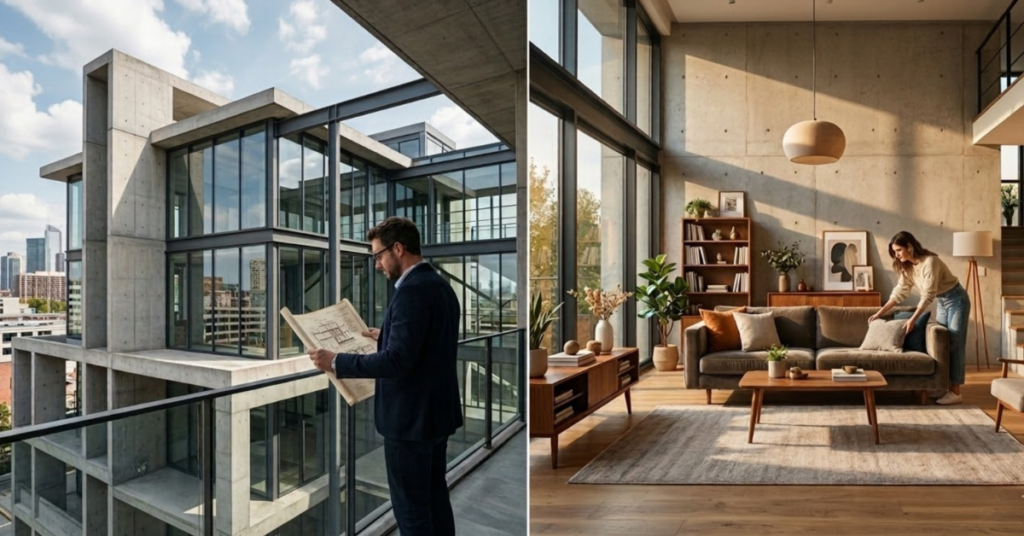
Architecture shapes the structure of our world. Interior design shapes the way we experience it.
Yet, despite being closely connected, the difference between architecture vs interior design is often misunderstood. As someone who has spent more than a decade analyzing built environments and architectural concepts, I’ve seen how these two disciplines influence each other—and how powerful they become when they work together.
Understanding the relationship between architecture and interior design is essential for students, design enthusiasts, and anyone interested in how spaces are created.
What Is Architecture?
Architecture is the art and science of designing buildings and physical structures. It involves planning spaces that are structurally safe, functional, and responsive to the environment.
When architects begin a project, they are not only thinking about how a building will look—they are considering structural integrity, environmental impact, spatial organization, and long-term usability.
In professional practice, architecture begins with understanding the site conditions, climate, regulations, and human requirements. Every wall, column, and structural element is designed with careful consideration. Over the years, I have realized that architecture is less about creating objects and more about designing environments that shape human activity.
From residential homes to skyscrapers and public institutions, architecture determines how cities grow and how communities interact with built space.
The Role of an Architect in Modern Design
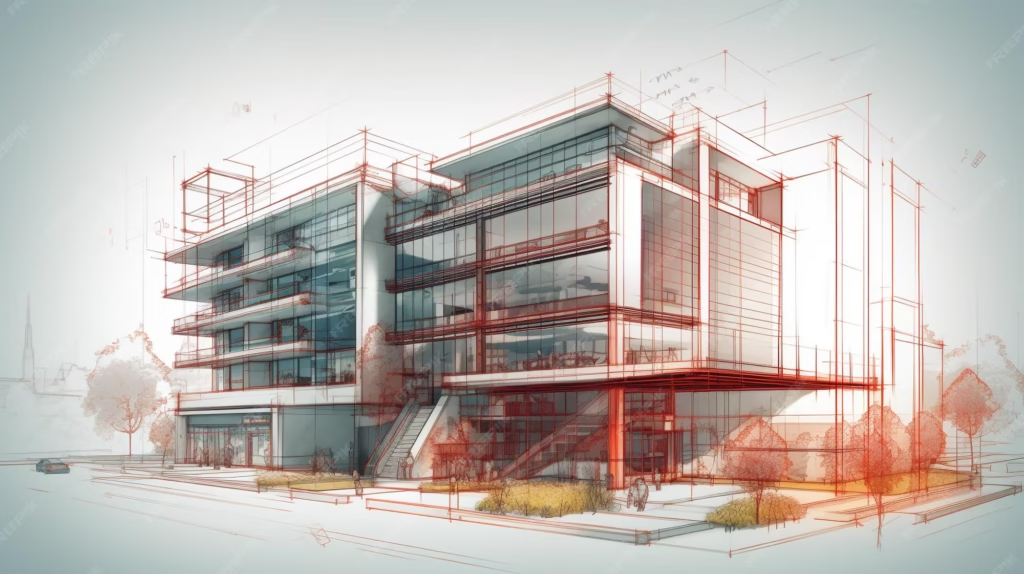
An architect operates at multiple scales simultaneously. From the urban skyline down to the placement of a staircase, every decision affects how a building performs and feels. A good architect must think about:
- structural systems
- climate responsiveness
- building materials
- building codes and regulations
- long-term sustainability
Organizations like the Council of Architecture regulate architectural practice in India, ensuring that architects meet professional and ethical standards. Globally, institutions like the Royal Institute of British Architects continue to shape the discourse around architecture, urban design, and built environments. These frameworks remind us that architecture is not decoration—it is responsibility.
Architecture Shapes the Framework of Human Experience
Think about the buildings you interact with every day. Airports. Museums. Homes. Offices. Each of them was first imagined through architectural thinking. The architect determines:
- ceiling heights
- natural light orientation
- structural grid
- room proportions
- movement pathways
These decisions create a powerful spatial narrative long before interior design enters the project. Interior designers refine the emotion of the space, but the architect builds the foundation of experience.
What Is Interior Design?
While architecture focuses on the structure of a building, interior design focuses on the experience within that structure.
Interior designers work with space at a more intimate level. Their role is to transform empty rooms into environments that feel comfortable, functional, and visually engaging.
This involves a careful balance of materials, furniture, lighting, color psychology, and spatial flow.
A thoughtfully designed interior can dramatically influence how people behave and feel in a space. Offices can become more productive, homes more relaxing, and commercial spaces more inviting.
Interior designers also consider human behavior and ergonomics, ensuring that every element—from furniture placement to lighting levels—supports the intended purpose of the room. In essence, interior design is about shaping the human experience inside architecture.
The Role of an Interior Designer in Modern Spaces
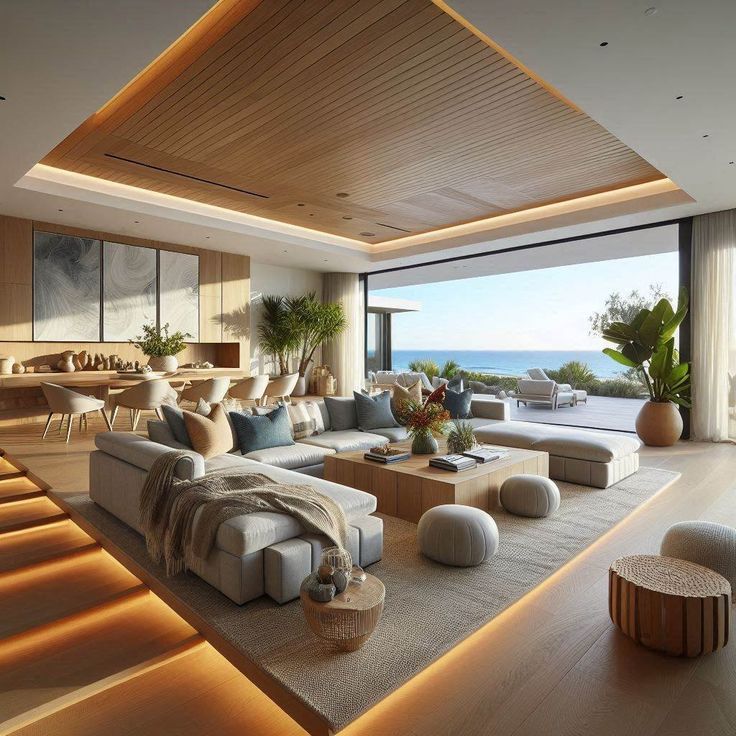
Interior designers focus on the human experience inside architectural spaces. While architects design the building envelope, interior designers work within that framework to make the space comfortable, functional, and visually engaging.
Their responsibilities often include:
- space planning
- furniture layout
- lighting design
- material selection
- color schemes
- acoustics and ergonomics
In India, professional interior designers often follow guidelines influenced by organizations like the Institute of Indian Interior Designers. Globally, institutions such as the International Interior Design Association continue to influence modern interior design standards. These organizations reinforce the idea that interior design is a powerful profession rooted in both creativity and technical knowledge.
Interior Design Is Where Architecture Becomes Personal
Architecture may define the physical shell of a building, but interior design defines the personality of the space. A large open hall designed by an architect could become:
- a vibrant office
- an elegant hotel lobby
- a minimalist gallery
- a cozy residential living room
The same architecture can host completely different interior experiences. That is the powerful role of interior design. Check out this blog, What Is the Average Bedroom Size? Your Comprehensive Guide to Creating a Well-Designed Bedroom
Interior designers use elements like:
- textures
- furniture forms
- lighting layers
- spatial zoning
- decorative elements
to transform architecture into lived environments.
Architecture vs Interior Design: The Core Difference
The distinction between architecture vs interior design becomes clearer when we look at their fundamental responsibilities.
Architecture deals with the building itself—its structure, construction systems, spatial layout, and relationship with the surrounding environment. Interior design, on the other hand, focuses on how that space feels and functions once the structure exists. Architects typically work on:
- building structure and framework
- floor plans and spatial layouts
- construction documentation
- building regulations and safety
Interior designers focus on:
- furniture layouts
- lighting design
- material finishes
- color palettes and décor
A simple way to understand the difference is this: Architecture creates the body of a building, while interior design creates its personality. Both disciplines are essential in shaping spaces that are both functional and emotionally engaging.
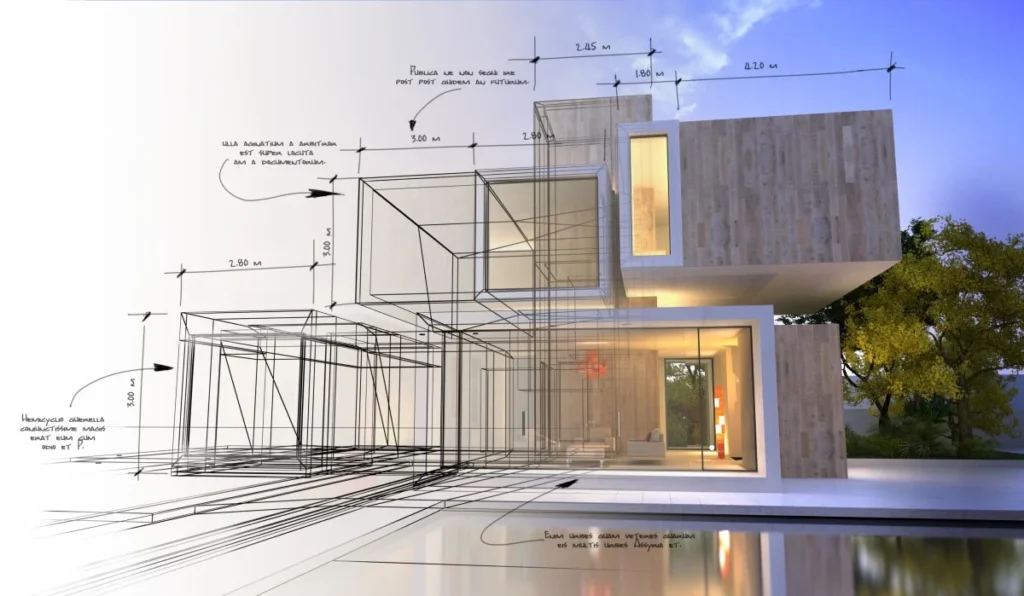
| Aspect | Architecture | Interior Design |
| Primary Focus | Designing the structure and external form of buildings | Designing interior spaces within buildings |
| Scope of Work | Structural planning, site analysis, building systems | Furniture layout, color schemes, materials, lighting |
| Education | Bachelor of Architecture (B.Arch.) or equivalent | Interior Design degree or diploma |
| Work Stage | Begins at the early stage of building construction | Usually begins after structural design is complete |
| Main Goal | Ensure buildings are safe, functional, and structurally sound | Create comfortable, aesthetic, and functional interiors |
| Tools Used | CAD software, structural modeling, building codes | Space planning tools, material boards, lighting plans |
| Scale of Work | Entire buildings and urban environments | Individual rooms and interior spaces |
| Collaboration | Works with engineers, planners, contractors | Works with architects, clients, furniture suppliers |
How Architects and Interior Designers Collaborate
In real-world design practice, architecture and interior design rarely exist as separate processes.
The most successful projects are the result of collaboration between architects and interior designers from the early stages of planning.
Architects define the structural framework and spatial proportions of a building. Interior designers interpret those spaces and transform them into environments that people can inhabit comfortably.
When this collaboration is strong, the result is a seamless integration of structure, function, and aesthetics.
However, when the two disciplines are disconnected, problems often arise—spaces may look impressive architecturally but feel impractical or uncomfortable inside.
From my experience working alongside design teams, the most inspiring buildings are those where architecture and interior design evolve together as part of a unified vision.

The Early Design Stage: Where Collaboration Begins
The collaboration between architecture vs interior design ideally begins during the conceptual stage of a project.
At this stage, architects are defining:
- the building massing
- the spatial grid
- structural systems
- vertical circulation
- facade orientation
If interior designers are involved early, they can influence decisions that dramatically impact the quality of interior spaces. For example: A slightly higher ceiling height could transform the sense of openness in a living space. A window positioned differently could improve natural lighting for interior layouts. A column grid adjustment could make furniture planning far more efficient. These decisions may seem small, but they can create powerful improvements in spatial experience. When architects and interior designers collaborate early, the building becomes more thoughtful, functional, and human-centered.
Material Language: Creating Design Continuity in Architecture vs Interior Design
Another powerful area of collaboration in architecture vs interior design happens through material selection. Materials are not merely construction components; they are the visual and tactile language that connects the exterior architectural identity with the interior spatial experience.
In the relationship between architecture vs interior design, architects typically begin by defining the primary external material palette of the building. These materials establish the building’s structural expression, durability, and relationship with the surrounding environment.
Common architectural materials include:
- glass curtain walls
- concrete facades
- stone cladding
- structural steel
- exposed brickwork
These materials communicate the architectural character and structural logic of the building.
Interior designers then take this architectural language further by translating it into the interior material experience. Within the framework of architecture vs interior design, interior designers extend the building’s design narrative through carefully curated interior surfaces and finishes.
They work with elements such as:
- flooring materials
- wall finishes
- ceiling treatments
- furniture textures
- fabric selections
- decorative panels
When the material relationship between architecture vs interior design is thoughtfully planned, the building feels cohesive, intentional, and visually powerful.
For example, a building designed with exposed concrete architecture may carry the same raw material expression into its interiors through polished concrete flooring, minimalistic wall finishes, or industrial-style furniture. This continuity creates a strong and unified spatial narrative, where architecture and interior design feel like parts of the same creative vision.
Many globally respected design studios such as Gensler are known for integrating architecture vs interior design seamlessly within one unified design philosophy. Their projects demonstrate how exterior architecture and interior environments can evolve together rather than functioning as separate design layers.
Also read this blog, Architects vs. Engineers: Collaborating on Complex Structures
When architecture and interior design share the same material logic, the result is a powerful spatial identity that feels deliberate from the outside façade to the smallest interior detail.
Lighting: A Shared Design Responsibility in Architecture vs Interior Design
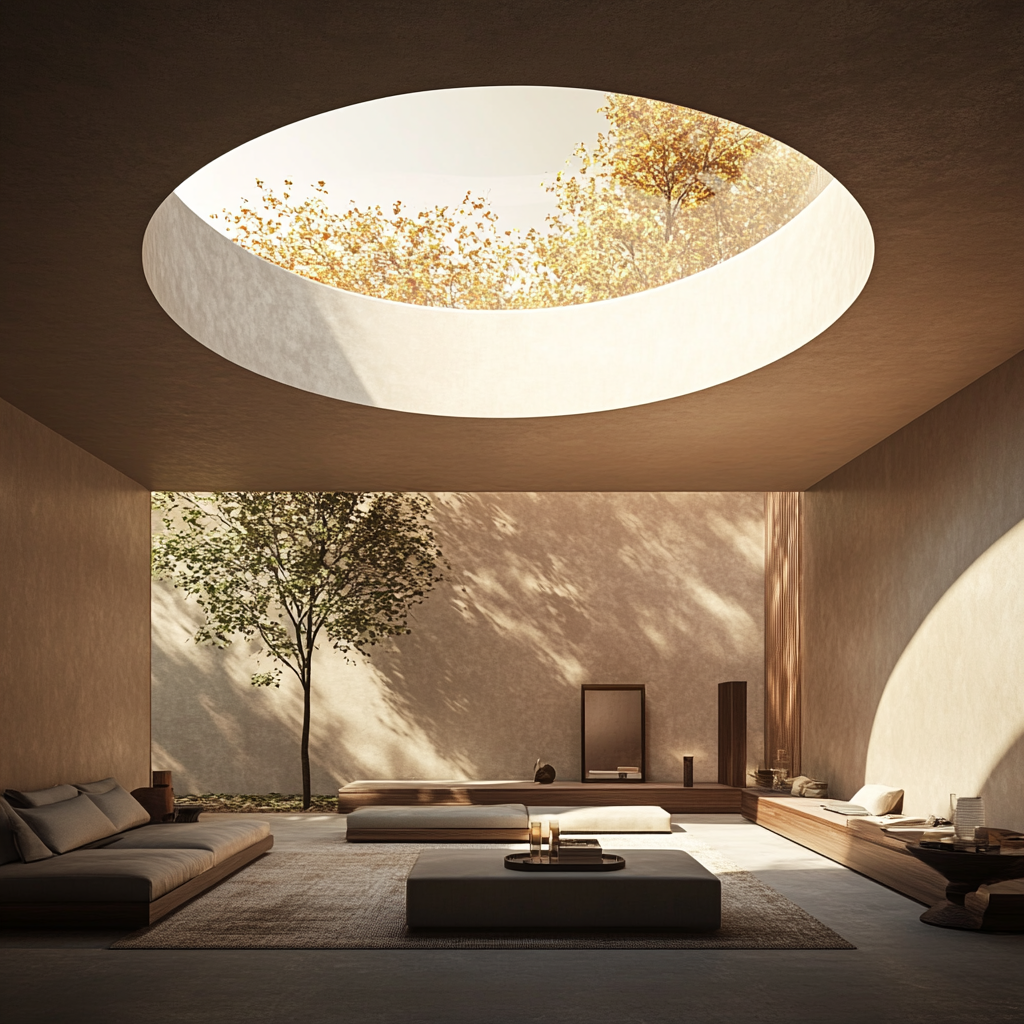
Lighting represents another fascinating intersection in the discussion of architecture vs interior design. While many people assume lighting belongs primarily to interior design, the reality is that lighting begins much earlier during the architectural planning phase.
Architects influence lighting through several structural and spatial decisions that determine how natural light interacts with the building. In the broader relationship between architecture vs interior design, architects play a crucial role in shaping the building’s daylight strategy.
These architectural decisions include:
- window placement
- skylight positioning
- facade openings
- building orientation toward the sun
- atrium design and light wells
These elements allow natural daylight to enter the building in a controlled and meaningful way, creating dynamic interior environments that change throughout the day.
Interior designers then take this architectural daylight framework and enhance it through layered artificial lighting systems. In the collaborative dynamic of architecture vs interior design, interior designers introduce lighting that supports both functionality and atmosphere.
This lighting strategy often includes:
- ambient lighting for general illumination
- task lighting for functional activities
- accent lighting to highlight features and artwork
- decorative lighting fixtures that add character
Together, these lighting layers transform the overall mood, functionality, and emotional quality of a space.
Consider a museum gallery, for example. While the architect may design skylights or controlled daylight openings, the interior designer carefully calibrates artificial lighting to highlight artworks without causing glare or damage.
Similarly, in a luxury hotel lobby, the architectural volume might create a dramatic double-height space, while interior lighting compositions introduce warmth, drama, and visual storytelling.
When architecture vs interior design align perfectly in lighting strategy, the result is a space with a powerful visual rhythm that enhances the overall user experience.
The Human Experience: Where Interior Design Completes Architecture
One of the most meaningful insights gained from studying architecture vs interior design is that both disciplines ultimately exist to serve the human experience.
Architecture provides structure, scale, spatial organization, and environmental logic. It determines how buildings stand, how spaces connect, and how people move through them.
Interior design then completes this architectural framework by introducing emotion, comfort, atmosphere, and personality.
In discussions about architecture vs interior design, it is important not to frame the professions as competitors. Instead, they should be understood as two powerful layers of spatial design thinking that operate at different yet interconnected scales.
An architect may design a breathtaking building with impressive structural geometry and striking façades. However, without thoughtful interior design, those spaces may feel cold, empty, or disconnected from human needs.
On the other hand, an interior designer may create a beautifully furnished room with elegant materials and lighting. But if the underlying architecture lacks proportion, natural light, or spatial clarity, the interior design will struggle to achieve its full potential.
This is why the most memorable spaces emerge when architecture vs interior design work together as complementary disciplines.
Together they create environments that are:
- structurally sound
- aesthetically compelling
- emotionally engaging
- deeply human-centered
In essence, architecture builds the framework of life, while interior design shapes the daily experiences that unfold within it.
The Future of Architecture vs Interior Design
As design practices evolve, the future of architecture vs interior design is moving toward greater integration and collaboration.
Many contemporary design studios no longer treat architecture and interior design as isolated professions. Instead, they approach projects with a holistic design philosophy, where both disciplines evolve simultaneously.
This integrated mindset allows the building’s architectural language to flow naturally into its interior environments.
Globally renowned firms such as Zaha Hadid Architects often approach projects with this unified vision. Their work demonstrates how architecture and interior design can be conceived as one continuous spatial narrative, rather than separate design stages.
This approach enables buildings to express a single powerful design identity from the exterior structure to the interior atmosphere.
As cities continue to grow and buildings become more complex, the relationship between architecture vs interior design will become even more important. Future design solutions will require architects and interior designers to collaborate more closely than ever before.
When these disciplines work together with a shared vision, they create spaces that are not only beautiful and functional, but also inspiring places where people truly want to live, work, and interact.
Conclusion: Architecture vs Interior Design — Two Powerful Disciplines That Shape Our World
After working in the design industry for more than fifteen years, one realization becomes very clear: the conversation around Architecture vs Interior Design should never be about choosing one over the other.
Both disciplines are powerful design forces that shape how we experience the built environment.
Architecture provides the structural vision of a building. It defines how a structure responds to its surroundings, how people move through it, and how it contributes to the larger urban landscape. Every skyline, cultural landmark, and thoughtfully planned city block begins with architectural thinking.
Interior design, however, transforms that architectural framework into spaces that people emotionally connect with every day. Through lighting, materials, furniture, textures, and spatial planning, interior designers give life and personality to the spaces we inhabit.
This is why the discussion of Architecture vs Interior Design is not about separation, but about collaboration. The most memorable buildings in the world succeed because architecture and interior design work together seamlessly. Architecture provides the structure and spatial order, while interior design shapes the human experience within that structure.
When both disciplines align with a shared vision, the result is something truly powerful: spaces that are functional, visually compelling, emotionally engaging, and deeply connected to human life.
For anyone passionate about the built environment—whether architects, interior designers, students, or design enthusiasts—understanding the relationship between Architecture vs Interior Design is the key to appreciating how great spaces are truly created.
Because in the end, architecture may build the world around us…
but interior design is what makes that world feel like home.