
A superstar vacation home is never just about indulgence. It is about ESCAPE—from noise, from routine, from the predictable geometry of everyday life. For celebrities, these homes become spatial retreats where architecture listens before it speaks. Here, design is not created to impress the public eye, but to calm a private mind. And somewhere between reality and fantasy, architecture begins to perform its most intimate role. What Does ESCAPE Mean in Architectural Thinking? In architectural discourse, ESCAPE is not merely about isolation; it is about intentional detachment. It is the deliberate crafting of space that allows the mind to reset while the body remains still. After fifteen years in residential and luxury vacation home design, I have observed that architectural ESCAPE begins with emotional mapping. Before sketching a plan, one must understand what the occupant is escaping from—visibility, pressure, routine, or even their own public identity. In superstar vacation homes, ESCAPE often translates into spatial withdrawal. These homes are rarely designed for efficiency; they are designed for experience. Circulation slows down, thresholds deepen, and transitions become theatrical yet controlled. Luxury vacation home architecture uses contrast as a psychological tool. Compression before expansion. Darkness before panoramic light. Enclosed courtyards before infinite horizons. This sequencing creates a rhythm that subtly shifts the occupant’s state of mind. Celebrity vacation homes, in particular, emphasize privacy not through defensive architecture, but through strategic orientation. Framed ocean views, concealed entries, layered landscaping, and volumetric zoning create a sanctuary without appearing fortress-like. True architectural ESCAPE is achieved …
A superstar vacation home is never just about indulgence.
It is about ESCAPE—from noise, from routine, from the predictable geometry of everyday life.
For celebrities, these homes become spatial retreats where architecture listens before it speaks.
Here, design is not created to impress the public eye, but to calm a private mind.
And somewhere between reality and fantasy, architecture begins to perform its most intimate role.
What Does ESCAPE Mean in Architectural Thinking?
In architectural discourse, ESCAPE is not merely about isolation; it is about intentional detachment. It is the deliberate crafting of space that allows the mind to reset while the body remains still.
After fifteen years in residential and luxury vacation home design, I have observed that architectural ESCAPE begins with emotional mapping. Before sketching a plan, one must understand what the occupant is escaping from—visibility, pressure, routine, or even their own public identity.
In superstar vacation homes, ESCAPE often translates into spatial withdrawal. These homes are rarely designed for efficiency; they are designed for experience. Circulation slows down, thresholds deepen, and transitions become theatrical yet controlled.
Luxury vacation home architecture uses contrast as a psychological tool. Compression before expansion. Darkness before panoramic light. Enclosed courtyards before infinite horizons. This sequencing creates a rhythm that subtly shifts the occupant’s state of mind.
Celebrity vacation homes, in particular, emphasize privacy not through defensive architecture, but through strategic orientation. Framed ocean views, concealed entries, layered landscaping, and volumetric zoning create a sanctuary without appearing fortress-like.
True architectural ESCAPE is achieved when space filters the world gently rather than blocking it aggressively. That is where design transcends fantasy and becomes meaningful retreat architecture.
Why Celebrities Invest in Vacation Homes as Emotional Architecture
For most people, a vacation home is a luxury. For a superstar, it is often a necessity disguised as indulgence.
Public life is lived under constant visibility. Cameras, media narratives, digital presence — all compress personal space. A celebrity vacation home therefore becomes an instrument of emotional recalibration.
In my experience, high-profile clients rarely ask for “bigger.” They ask for “quieter.”
This mindset is clearly reflected in how certain celebrities approach residential architecture with intention rather than excess. A compelling example is Inside Brad Pitt’s Houses: 5 Stunning Homes That Define His Architectural Taste, which reveals how spatial restraint, material honesty, and emotional clarity shape celebrity living beyond spectacle.
The brief is not about square footage; it is about psychological distance. This is where luxury vacation home design transforms into emotional architecture. Materials are chosen for tactility, not trend. Views are curated for horizon depth, not social media framing.
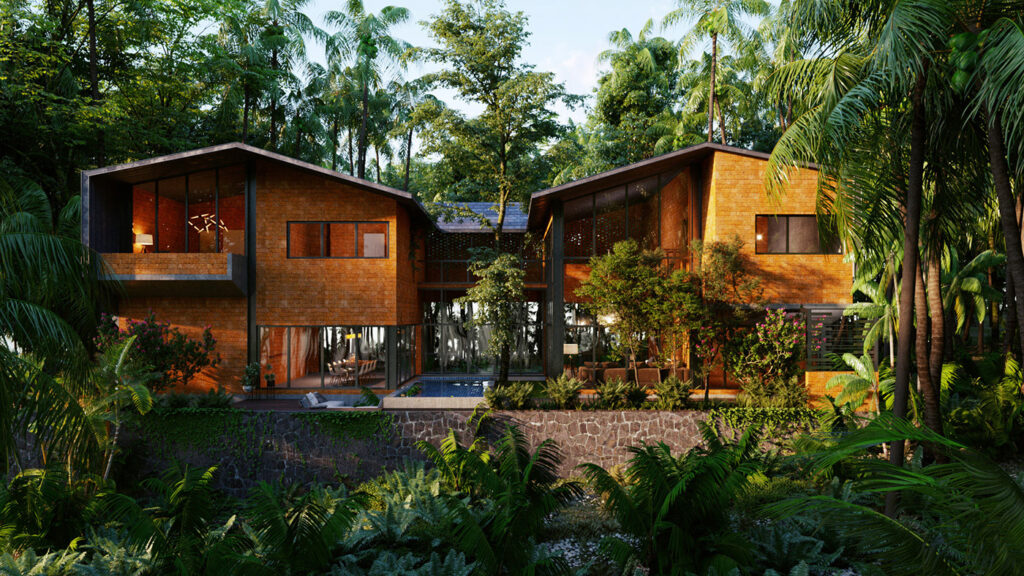
Superstar vacation homes frequently integrate natural elements — water bodies, courtyards, internal gardens — because nature absorbs anxiety more effectively than ornamentation ever can. Biophilic design is not decorative here; it is therapeutic.
There is also a subtle shift in scale. Public areas may remain dramatic, but private zones compress intentionally. Bedrooms feel cocooned. Reading corners retreat into shadows. Ceiling heights lower to create intimacy.
This duality is critical. The outer world celebrates spectacle. The inner world demands stillness.
Architectural ESCAPE in these homes therefore becomes a balancing act — between identity and anonymity, between fantasy design and grounded spatial logic. When done thoughtfully, celebrity vacation homes do not merely impress visitors; they protect the inhabitant. And protection, in architectural terms, is one of the most powerful forms of ESCAPE.
Architectural ESCAPE vs Fantasy Design — Where Is the Line?
This is where the conversation becomes uncomfortable—and necessary.
Architectural ESCAPE is rooted in experience, while fantasy design is often rooted in image. One prioritizes how a space feels over time; the other prioritizes how it looks in a single frame.
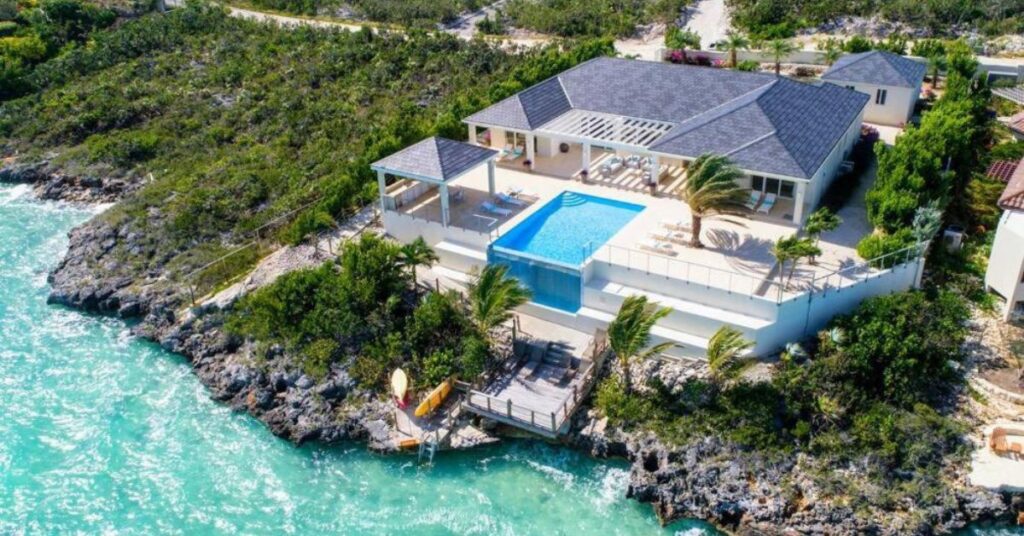
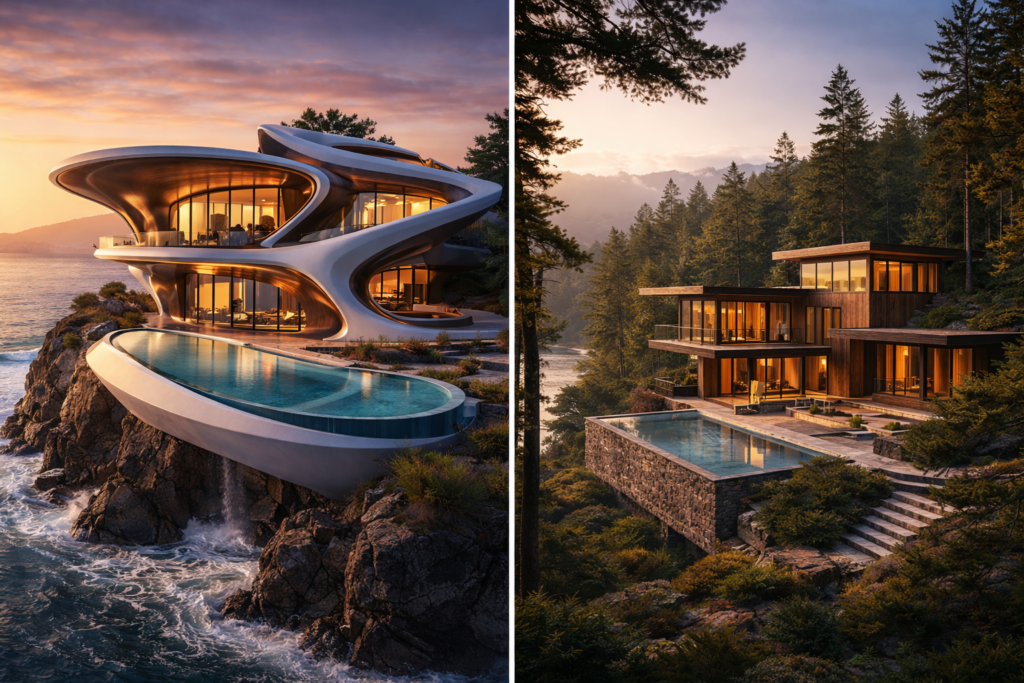
In superstar vacation homes, the temptation to drift into fantasy is high. Extreme forms, exaggerated materials, and dramatic gestures promise instant visual impact. But architecture is not consumed in seconds—it is inhabited in silence. From professional observation, fantasy design begins to fail when form stops responding to context. A cliffside villa that ignores wind patterns, heat gain, or privacy may look powerful, yet feel hostile over prolonged use.
Architectural ESCAPE, on the other hand, is quieter in its confidence. It aligns with landscape, respects climate, and allows the occupant to withdraw without feeling disconnected. It does not announce itself loudly; it reveals itself gradually.
The most successful luxury vacation home designs walk this thin line carefully. They borrow the emotion of fantasy but anchor it in logic. Dramatic cantilevers still shade interiors. Large glass walls still frame controlled views, not exposure. As architects, we must recognize that excess is not the enemy—unquestioned excess is. Fantasy becomes problematic only when it overrides comfort, sustainability, and psychological ease.
True ESCAPE does not overwhelm the senses. It steadies them.
Spatial Psychology Behind Superstar Vacation Homes
Spatial psychology plays a decisive role in how superstar vacation homes function beyond their visual appeal. These homes are carefully choreographed to influence emotion, not just movement.
The journey through the house matters as much as the destination. Entry sequences are often indirect, creating a gradual psychological shift from the public world to a private realm of ESCAPE.
Luxury vacation home architecture frequently uses axial control to slow perception. Long sightlines toward landscapes calm the mind, while sudden framed views create moments of quiet awe rather than spectacle. Zoning is another psychological tool. Public zones remain expansive and open, while personal spaces deliberately contract. This contrast gives occupants control over social exposure and solitude.
Material psychology is equally intentional. Warm textures, muted finishes, and tactile surfaces ground the user emotionally, ensuring fantasy design does not overpower comfort.
In the most successful celebrity vacation homes, space does not shout. It listens, absorbs, and gently responds—allowing architecture to guide emotion without force.
That is the true power of architectural ESCAPE.
Materials, Light & Scale as Tools of Architectural ESCAPE
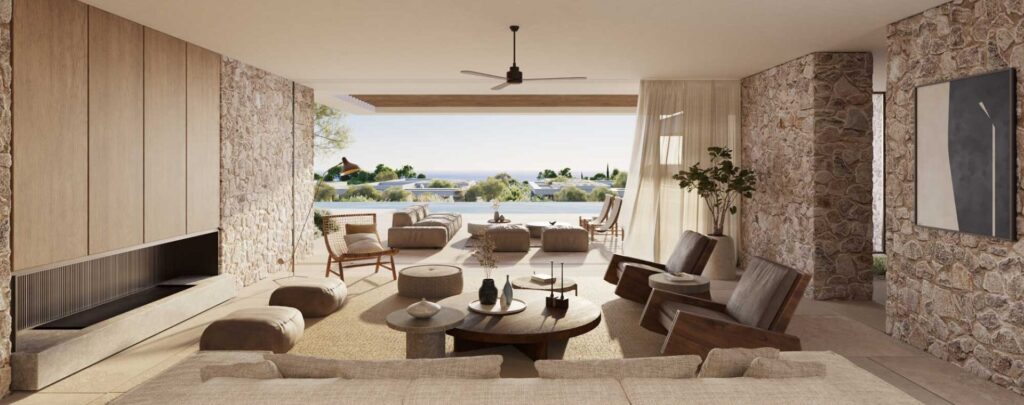
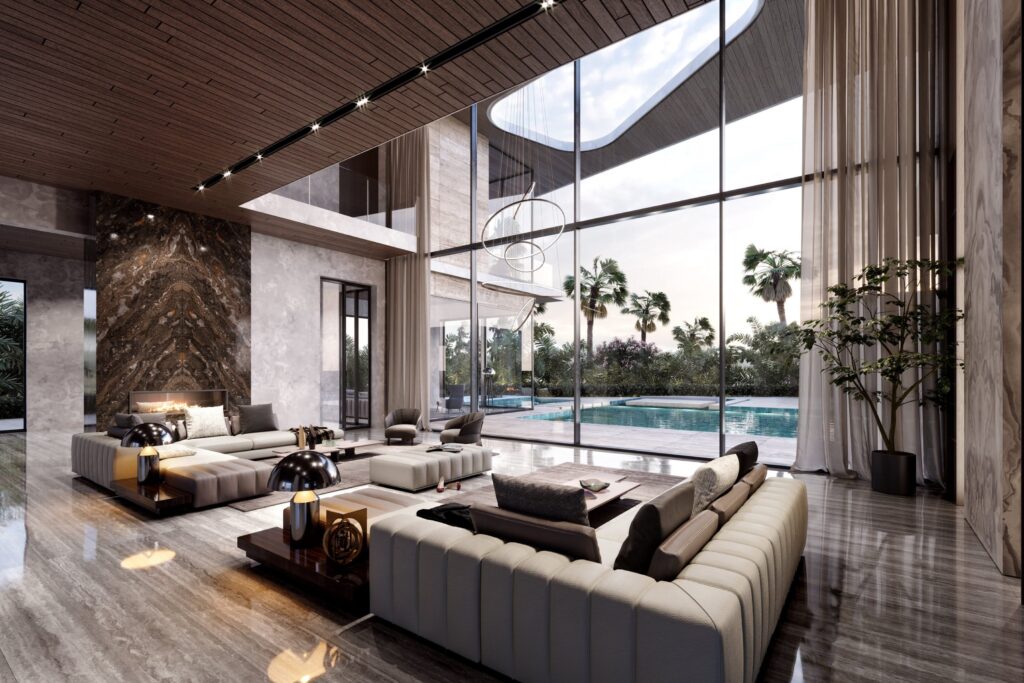
In superstar vacation homes, materials are never selected purely for luxury—they are selected for emotional temperature. Stone cools the mind. Timber softens scale. Concrete grounds the structure. Architectural ESCAPE often begins with tactile honesty. When materials age naturally and respond to climate, they create continuity between the built form and its landscape.
Light is the most underestimated element in luxury vacation home design. Controlled daylight reduces anxiety, while filtered light through louvers or overhangs creates intimacy without confinement.
Light is the most underestimated element in luxury vacation home design. When used with restraint and intent, it can sculpt perception, elevate materiality, and redefine luxury itself—something explored in depth in What Can This Sculpted Villa Teach Us About Light and Luxury?
Many celebrity vacation homes use large glass façades, but the success lies in modulation. Glass without shading becomes exposure. Glass with depth becomes a framed ESCAPE.
Artificial lighting, too, is layered rather than decorative. Indirect lighting along circulation paths, warm ambient tones in private zones, and subtle accent lighting in transitional spaces guide emotional flow.
Scale is equally deliberate. Double-height volumes generate drama, but they must be balanced with compressed niches that allow retreat. Without this contrast, fantasy design begins to overpower comfort.
In high-end residential architecture, ESCAPE is not achieved by excess square footage. It is achieved by proportion—how space relates to the human body. When materials, light, and scale align, architecture stops performing and starts breathing.
When Fantasy Becomes Bad Architecture
Fantasy is not a flaw in architecture. Poor judgment is.
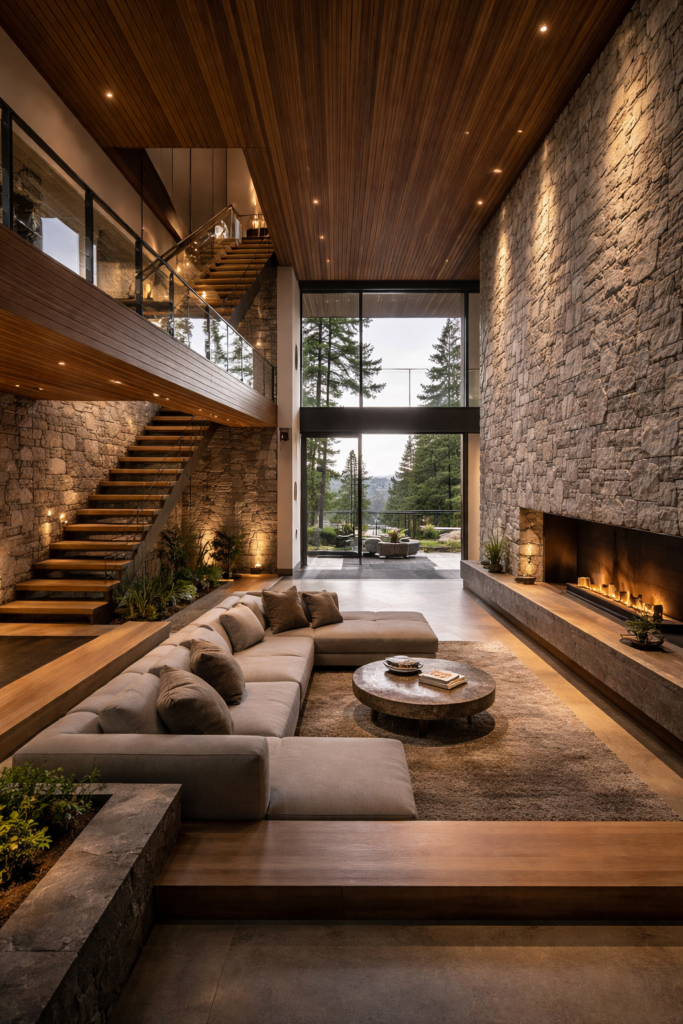
In superstar vacation homes, fantasy becomes problematic when visual drama overrides human comfort. Forms begin to perform for the camera rather than for the body inhabiting the space.
As an architect, I have seen homes where scale intimidates instead of embraces. Excessive ceiling heights, overly sculpted interiors, and impractical circulation may look powerful, but they exhaust the occupant over time.
Bad architecture often reveals itself quietly. Spaces overheat due to unchecked glazing. Acoustics amplify emptiness. Maintenance becomes a constant burden rather than a background process.
Fantasy-driven design also tends to ignore context. When a building fights climate, landscape, or orientation, it demands constant mechanical intervention. What was meant to be an ESCAPE slowly becomes a source of friction.
Luxury vacation home architecture must still obey fundamentals—comfort, usability, and longevity. When these are compromised, spectacle turns fragile. The most dangerous fantasy is believing that money can replace architectural logic. It cannot.
True architectural ESCAPE is resilient. It ages well. And it continues to serve long after novelty fades.
What Architects Can Learn from Superstar Vacation Homes
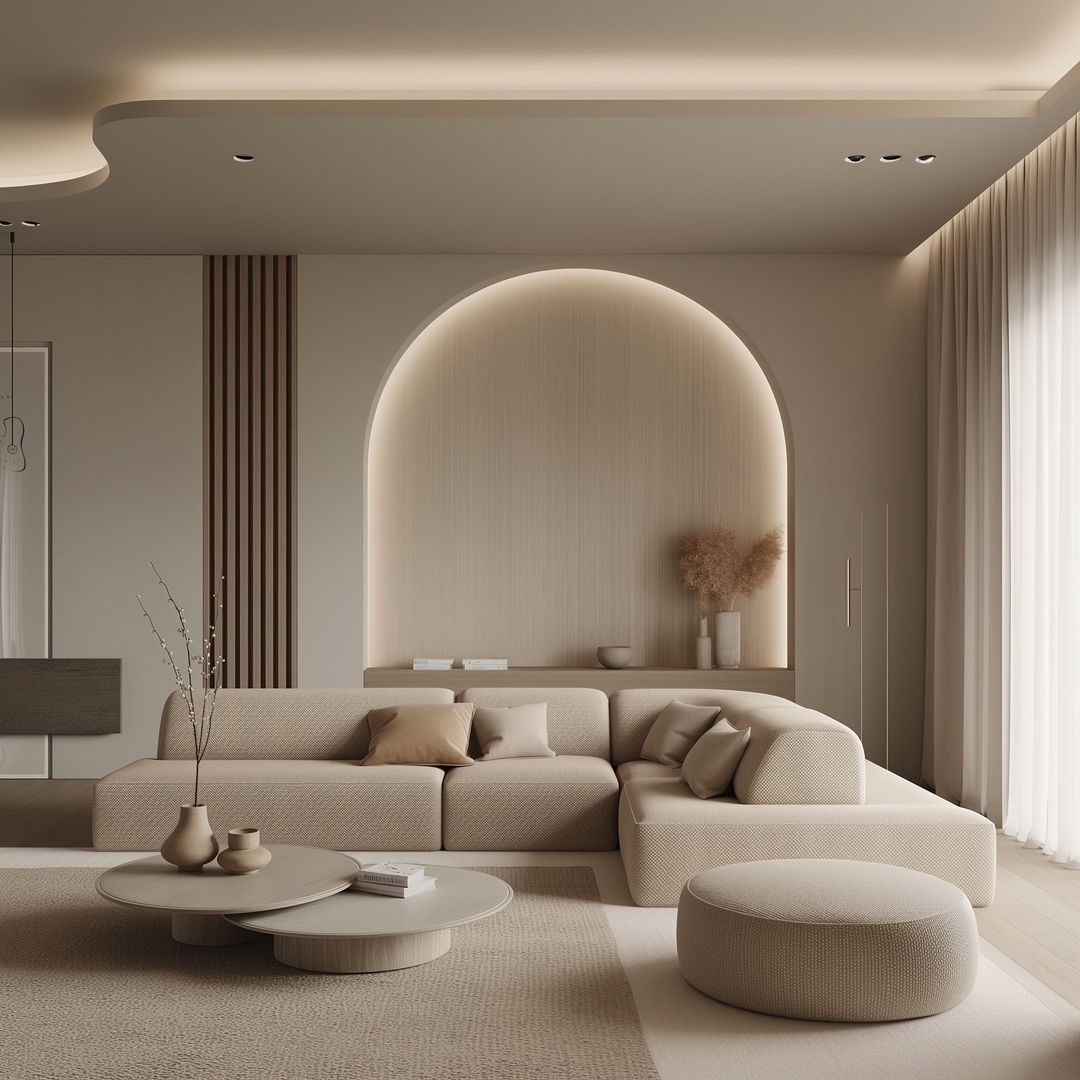
Superstar vacation homes may appear distant from everyday practice, but they offer powerful lessons when viewed critically. Beneath the glamour lies a deep study of human emotion and spatial control.
The first lesson is intent. These homes are designed around how the occupant wants to feel, not how the building wants to be seen. This shift in thinking is relevant to every scale of architecture.
Second is the importance of sequencing. Movement through space is carefully curated, using pauses, thresholds, and framed views. This approach can elevate even modest residential projects.
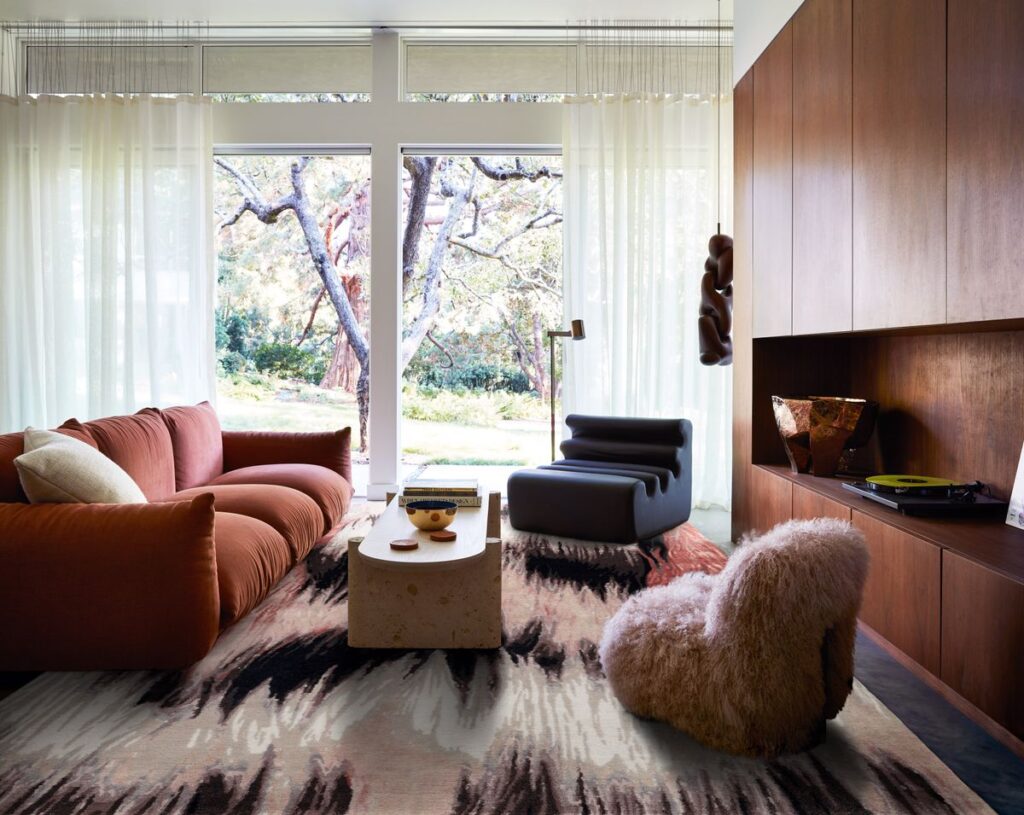
Material restraint is another takeaway. The most effective vacation homes avoid excess finishes, allowing natural textures to dominate. This creates longevity and emotional warmth—qualities often missing in trend-driven interiors.
Privacy planning is equally instructive. Rather than isolating spaces completely, these homes layer visibility and access. Architects can apply this logic to urban homes where retreat is limited but still essential.
Finally, superstar vacation homes remind us that architecture is not about constant stimulation. Silence, shadow, and simplicity are design tools as powerful as form and scale. When architects design for ESCAPE rather than attention, buildings begin to feel timeless.
Architecture as a Lasting ESCAPE
Superstar vacation homes are not merely expressions of wealth. They are experiments in how architecture can protect, restore, and recalibrate the human mind.
When thoughtfully designed, these homes transform luxury into layered experience. Landscape, light, material, and scale converge to create a controlled withdrawal from noise. The true success of a celebrity vacation home is not measured by how dramatic it appears on screen. It is measured by how gently it holds its inhabitant over time.
Architectural ESCAPE is not about isolation from the world. It is about selective connection—choosing what to frame, what to mute, and what to preserve.
Fantasy design may ignite curiosity. But grounded architecture sustains emotion.
As architects, designers, and enthusiasts, the challenge is not to replicate spectacle. It is to translate intention. Because in the end, the most powerful ESCAPE is not one that removes us from reality—it is one that reshapes how we return to it.