

Rome has inspired architects, historians, interior designers, and travelers for centuries. Known around the world as the eternal city, the Italian capital represents one of the most extraordinary examples of architectural evolution in human history.
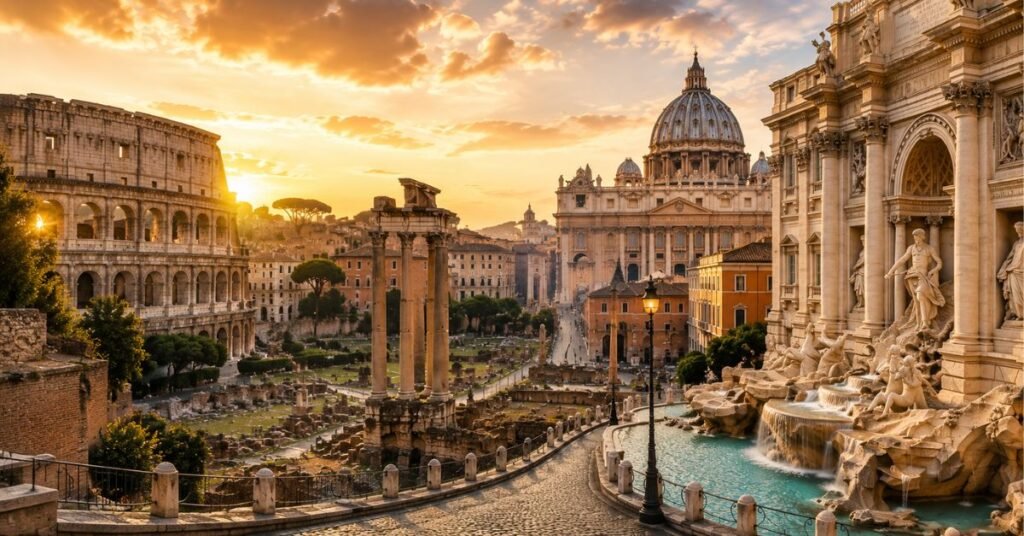
Rome has inspired architects, historians, interior designers, and travelers for centuries. Known around the world as the eternal city, the Italian capital represents one of the most extraordinary examples of architectural evolution in human history. From ancient amphitheaters and Renaissance basilicas to Baroque fountains and neoclassical piazzas, the city offers a timeless journey through art, culture, and design.
Its streets reveal layers of architectural movements that continue to influence modern architecture and interiors globally. Every structure reflects a story of innovation, craftsmanship, religion, and urban transformation. Whether through monumental arches, marble-clad interiors, grand domes, or carefully planned public spaces, Rome remains one of the greatest design inspirations ever created.
Why the Eternal City Is an Architectural Masterpiece
The eternal city is often described as an open-air museum because nearly every street and piazza contains structures of historical and artistic significance. Unlike many cities that replaced older architecture with modern development, Rome evolved by preserving and integrating different architectural styles across centuries.
Ancient Roman engineering introduced revolutionary concepts such as concrete vaulting, aqueduct systems, and monumental domes. The Renaissance later transformed the city with balanced proportions and classical geometry, while the Baroque period added dramatic movement, sculptural detailing, and theatrical public spaces.
This layered identity is what makes Rome architecturally unique. The coexistence of ancient ruins, Renaissance churches, and contemporary urban life creates an atmosphere unmatched anywhere else in the world.
The Colosseum: An Iconic Landmark of the Eternal City
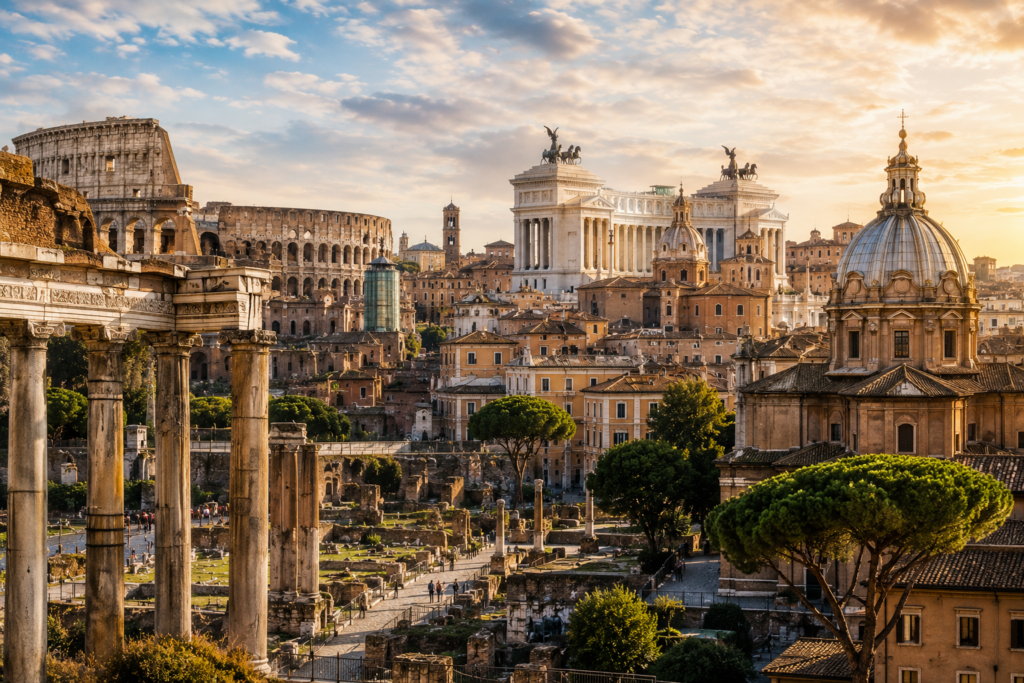
One of the most recognized monuments in the eternal city is the Colosseum. Constructed between 70–80 AD, this enormous amphitheater once hosted gladiator battles, theatrical performances, and public spectacles for tens of thousands of spectators.
Architecturally, the Colosseum demonstrated extraordinary Roman engineering through:
- Tiered seating systems
- Barrel and groin vaults
- Advanced crowd circulation routes
- Underground service chambers
- Durable stone and concrete construction
Its elliptical design and structural innovation continue to influence the planning of modern stadiums and sports arenas around the world.
Even in its partially ruined state, the Colosseum remains one of the strongest symbols of architectural endurance and urban identity.
St. Peter’s Basilica and the Renaissance Influence on the Eternal City
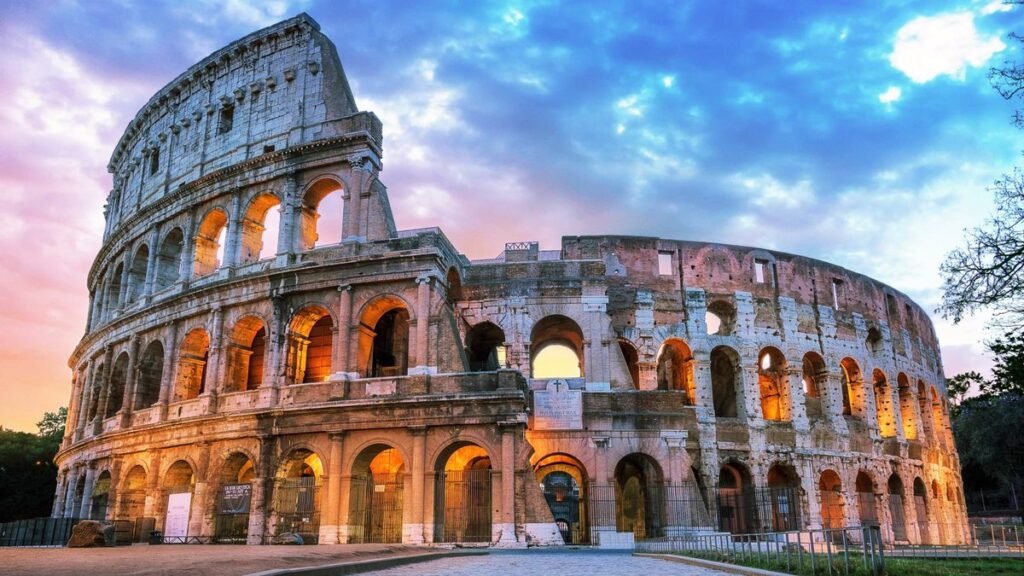
No exploration of the eternal city is complete without St. Peter’s Basilica in Vatican City. Designed by legendary architects including Michelangelo, Bramante, Carlo Maderno, and Bernini, the basilica represents the height of Renaissance architecture and artistic ambition.
The enormous dome designed by Michelangelo became one of the most influential architectural achievements in Europe. Inside, the basilica showcases intricate mosaics, marble sculptures, gilded ceilings, and monumental columns that create a breathtaking spatial experience.
The symmetry, scale, and visual harmony of St. Peter’s Basilica inspired churches, museums, and civic buildings across continents. Even today, architects continue to study its proportions and structural brilliance.
The Pantheon: A Timeless Innovation in the Eternal City
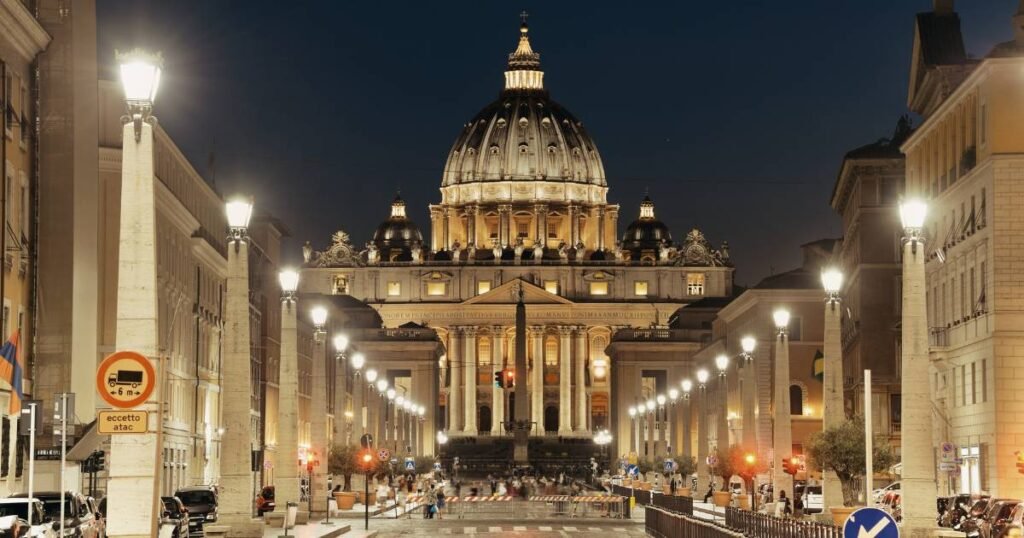
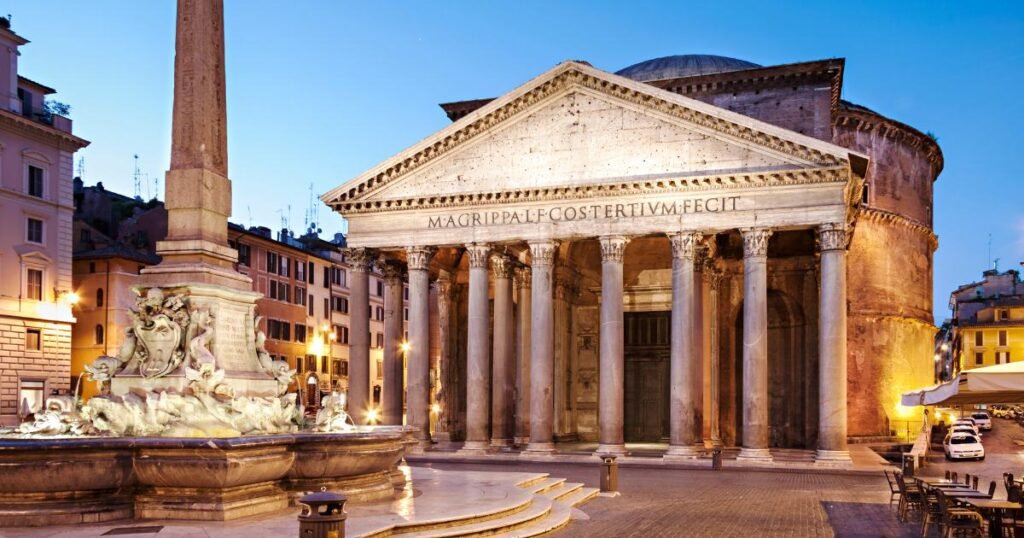
The Pantheon remains one of the best-preserved structures from ancient Rome and continues to fascinate architects worldwide. Originally rebuilt during Emperor Hadrian’s reign around 126 AD, the building is famous for its massive unreinforced concrete dome.
At the center of the dome is the oculus, an open circular void that allows natural light to enter dramatically throughout the day. The changing light creates an evolving interior atmosphere that feels both spiritual and architectural.
Several remarkable facts make the Pantheon extraordinary:
- Its dome remained the largest in the world for over 1,300 years
- The oculus measures nearly 27 feet in diameter
- Hidden drainage systems manage rainwater entering the building
- The structure still functions as an active church today
The Pantheon’s perfect geometry, balanced proportions, and innovative engineering continue to inspire museums, memorials, and public buildings globally.
Baroque Beauty Across the Eternal City
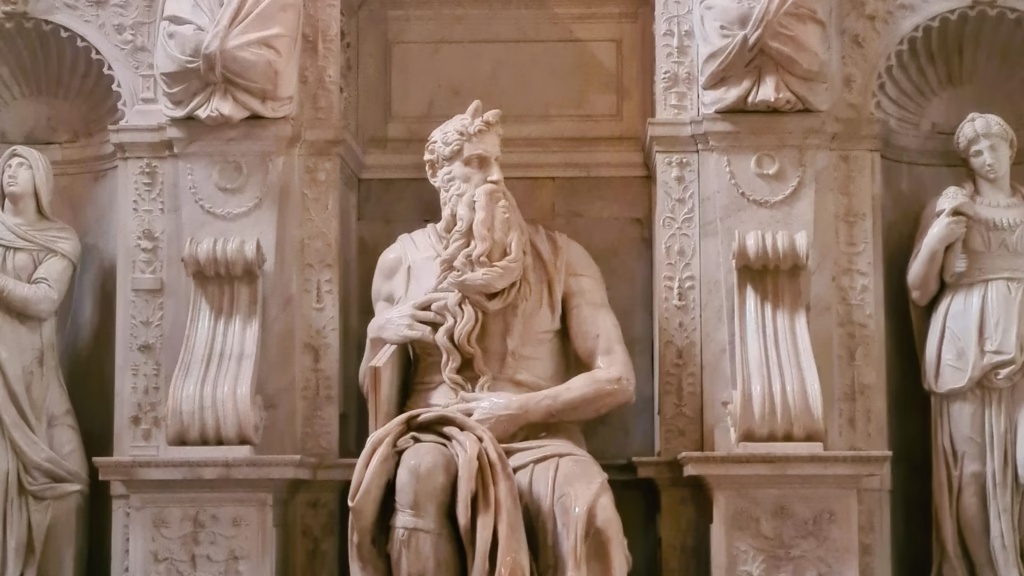
During the 17th century, the eternal city became the center of Baroque architecture. This style introduced dramatic forms, sculptural façades, elaborate fountains, and emotionally expressive interiors that transformed Rome into a theatrical urban landscape.
Some of the city’s most famous Baroque landmarks include:
- Trevi Fountain
- Piazza Navona
- Spanish Steps
- Sant’Agnese in Agone
Architects such as Gian Lorenzo Bernini and Francesco Borromini used curves, movement, light, and decorative detail to create visually dynamic spaces. Their work emphasized emotional impact rather than strict symmetry.
Baroque interiors from Rome continue to influence luxury hospitality design, high-end residences, and grand commercial interiors worldwide.
Urban Planning and Street Design in the Eternal City
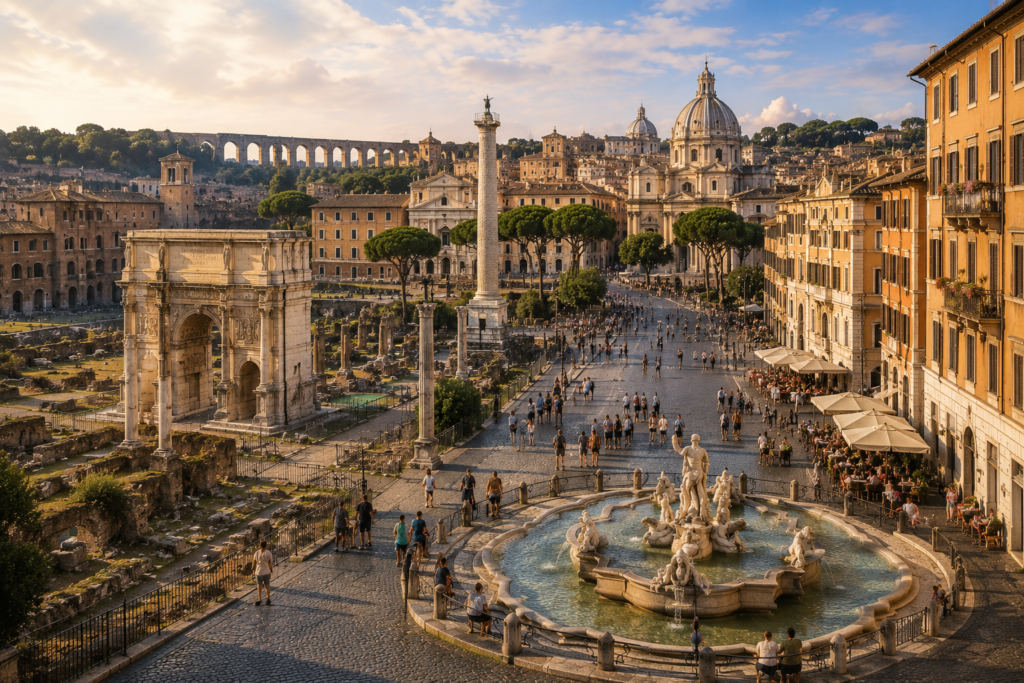
The eternal city is admired not only for its monuments but also for its remarkable urban planning principles. Ancient Roman cities were designed around civic life, accessibility, infrastructure, and social interaction.
Key urban design features included:
- Public forums and gathering spaces
- Organized street networks
- Aqueduct systems for water distribution
- Monumental gateways
- Public baths and marketplaces
Many modern cities still follow planning principles first developed in ancient Rome. Wide public squares, pedestrian connectivity, and centralized civic spaces continue to shape urban design strategies today.
Walking through Rome reveals how architecture and public life seamlessly interact. Historic streets, fountains, cafés, and piazzas create a human-centered urban experience that feels both functional and artistic.
Interior Design Inspiration Drawn From the Eternal City
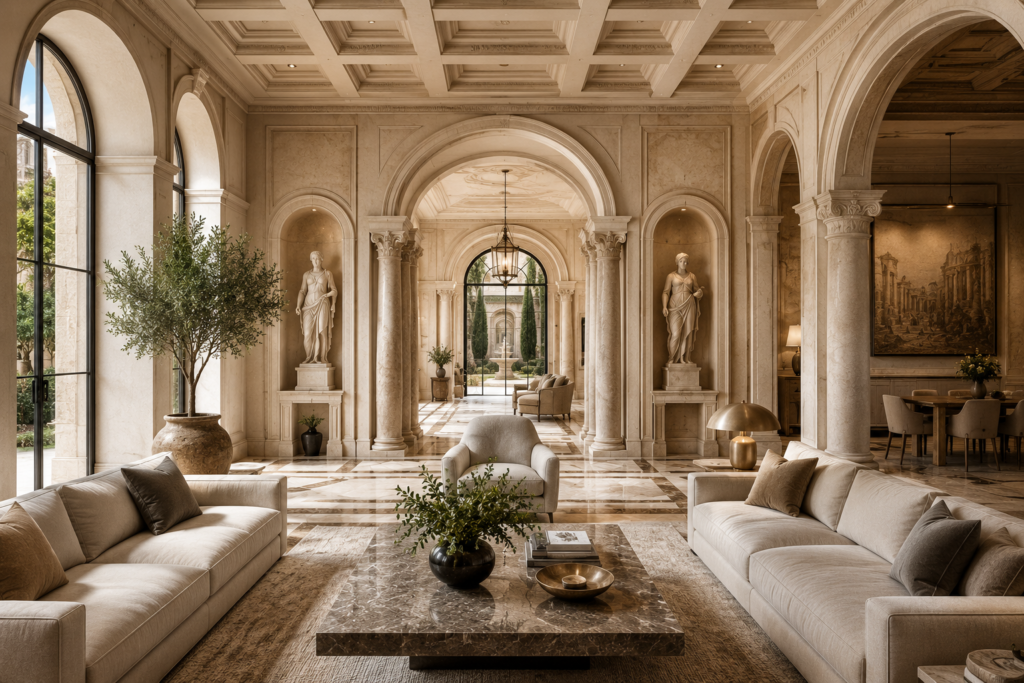
Roman architecture has had a lasting influence on interior design for centuries. The interiors of villas, basilicas, and palaces introduced luxurious materials and carefully balanced spatial compositions that remain popular in modern interiors today.
Common Roman-inspired interior elements include:
- Marble flooring
- Decorative columns
- Arched openings
- Coffered ceilings
- Mosaic detailing
- Symmetrical room layouts
- Classical sculptures
Luxury residences and boutique hotels often reinterpret these features using contemporary materials and minimalist styling. Neutral stone palettes, grand entryways, and elegant proportions continue to reflect Roman influence in present-day interiors.
The timeless beauty of Roman-inspired interiors demonstrates how historical architecture can remain relevant within modern lifestyles.
Hidden Architectural Gems of the Eternal City
Beyond its famous monuments, the eternal city contains many lesser-known architectural treasures that showcase the diversity of Roman design history.
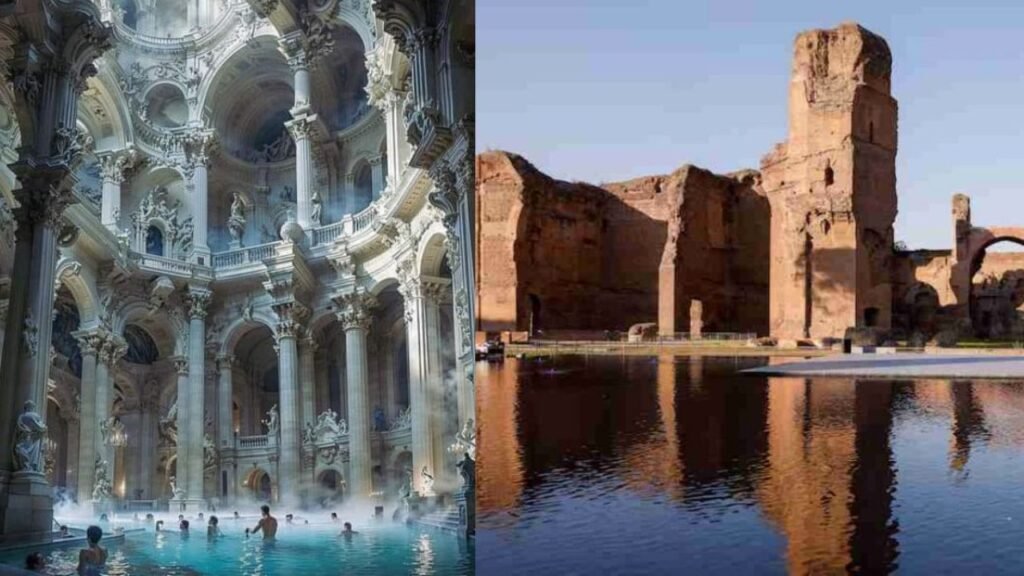
Baths of Caracalla
These ancient public baths reveal the scale and sophistication of Roman civic architecture. The ruins display advanced heating systems, vaulted halls, and decorative mosaics that highlight the engineering capabilities of the Roman Empire.
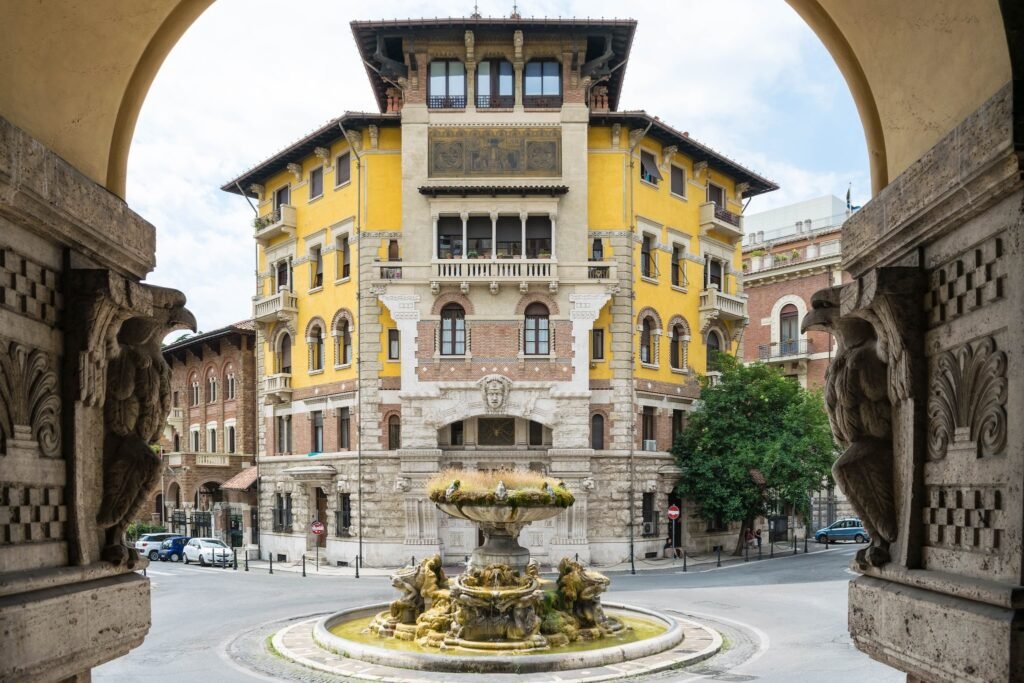
Quartiere Coppedè
This unique neighborhood combines Art Nouveau, Gothic, medieval, and fantasy-inspired architecture. Its whimsical visual identity offers a completely different perspective on Rome’s architectural diversity.
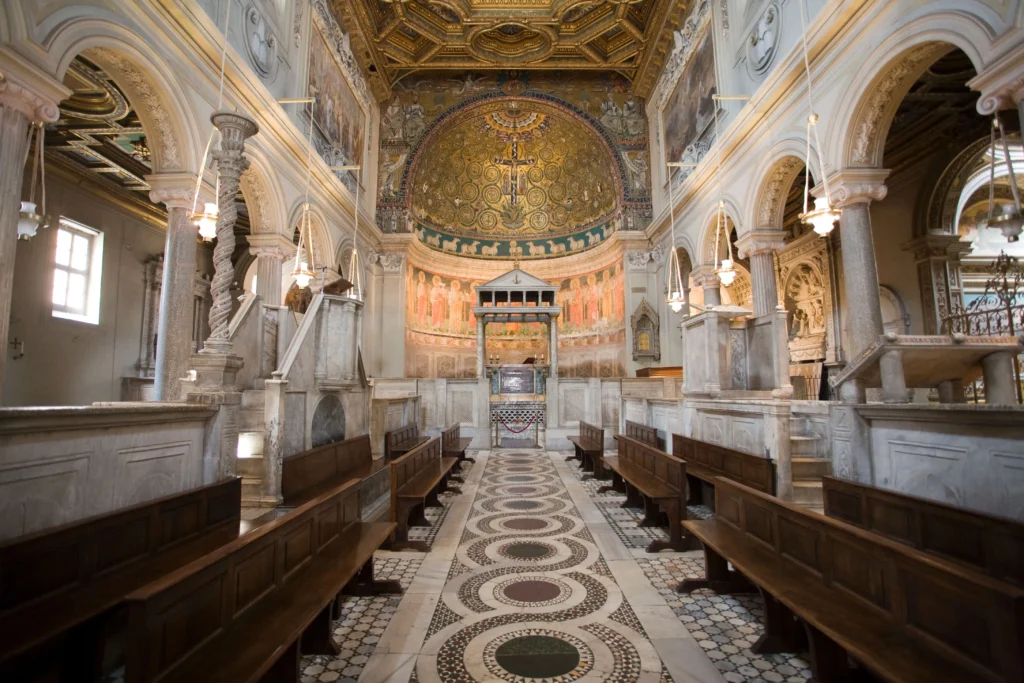
Basilica di San Clemente
This layered church allows visitors to explore multiple historical levels beneath one structure, revealing medieval, early Christian, and ancient Roman architecture within a single site.
These hidden locations provide deeper insight into the city’s evolving architectural identity.
Interesting Architectural Facts About the Eternal City
The eternal city is filled with fascinating architectural stories and engineering achievements that continue to amaze historians and designers.
Some interesting facts include:
- Rome contains more than 900 churches
- Ancient Roman roads influenced modern transportation systems
- Roman concrete technology is still studied by engineers today
- Many historic structures were built using recycled materials from older monuments
- The Vatican Museums house one of the world’s largest art collections
- Several Roman aqueducts remained functional for centuries
These facts demonstrate how Roman architecture balanced beauty, durability, and functionality on an extraordinary scale.
How the Eternal City Continues to Inspire Modern Architects
Architects across the world continue to study the eternal city because it demonstrates how architecture can combine beauty, engineering, symbolism, and urban functionality.
Modern architects often draw inspiration from Roman principles such as:
- Monumental spatial planning
- Durable construction methods
- Natural light integration
- Symmetrical design
- Civic-centered urban planning
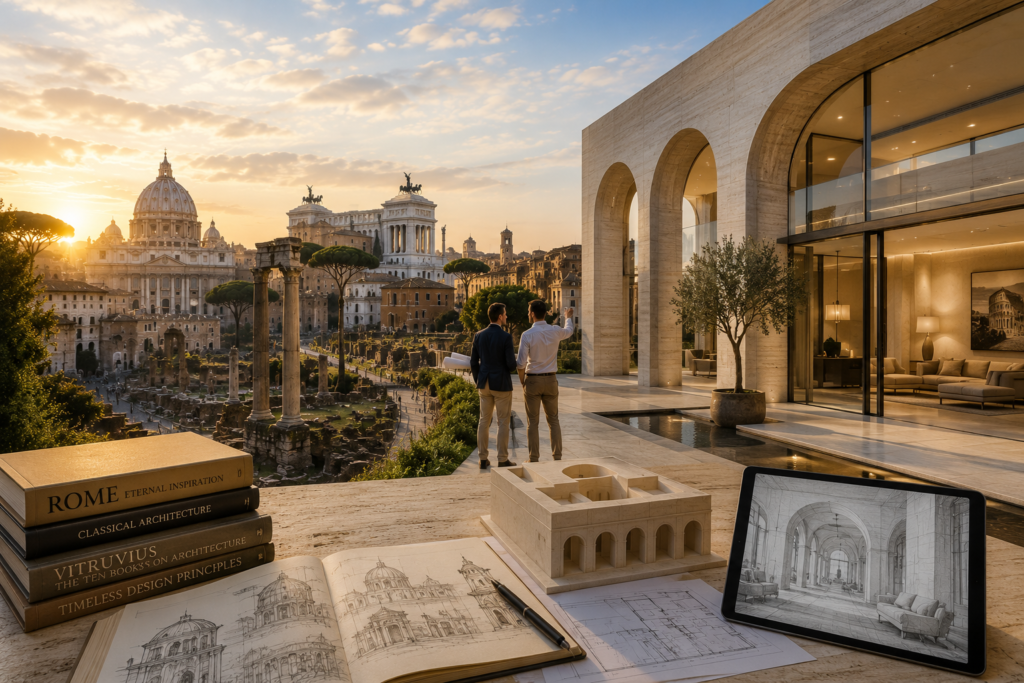
Even contemporary minimalist interiors frequently borrow Roman ideas through arches, textured stone surfaces, and open spatial arrangements.
Rome’s architectural legacy proves that timeless design principles can remain relevant despite changing materials, technologies, and lifestyles.
The Lasting Architectural Legacy of the Eternal City
Rome continues to stand as one of the most influential architectural destinations in the world. The eternal city represents a remarkable blend of history, innovation, artistry, and urban sophistication that has inspired generations of architects and interior designers.
From the engineering brilliance of the Colosseum to the grandeur of Renaissance basilicas and the dramatic beauty of Baroque fountains, every structure contributes to the city’s timeless identity.
For architecture and design enthusiasts, Rome remains an endless source of inspiration where history and creativity continue to coexist beautifully.