

The world’s most renowned architects have shaped how people live, work, gather, and experience space. This blog compares legendary designers such as Frank Lloyd Wright, Le Corbusier, Zaha Hadid, Tadao Ando, Renzo Piano, Balkrishna Doshi, Shigeru Ban, and others through their philosophies, famous projects, and lasting influence on architecture and interiors.
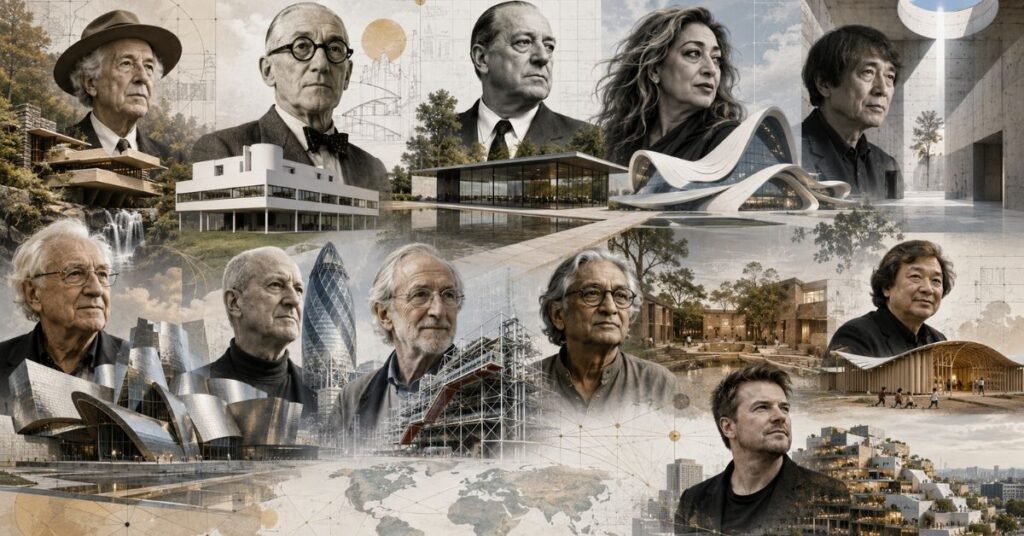
Architecture has always been more than the act of designing buildings. It is a language of culture, memory, technology, material, climate, and human experience. Across history, some architect icons have gone beyond creating structures and have inspired millions through ideas that changed how people understand space.
The world’s greatest architect icons are remembered not only for their famous buildings but also for the philosophies behind them. Some focused on nature, some on minimalism, some on structure, some on social responsibility, and some on futuristic forms. Together, they show that architecture can be emotional, practical, artistic, and deeply human.
For an architecture and interior design website, comparing these icons is valuable because their work offers lessons in planning, proportion, materials, light, interiors, public space, and design storytelling. Their ideas continue to influence homes, hotels, offices, museums, schools, cultural centers, and urban spaces across the world.
Why Icons Matter in Architecture and Interior Design?
Great architect icons matter because they change the way people think about the built environment. A powerful building can influence lifestyle, comfort, movement, identity, and even how a city is remembered.
For architects, these masters offer lessons in concept development, structure, site response, material use, and spatial planning. For interior designers, their work shows how light, texture, scale, furniture, circulation, and atmosphere can transform a building from a physical object into an experience.
To understand this relationship more clearly, readers can also explore this guide on architecture vs interior design, which explains how building form and interior experience work together to create functional, emotional, and memorable spaces.
The most influential architect icons do not follow one fixed formula. Their greatness lies in their ability to create a strong design language and remain relevant across generations.
Frank Lloyd Wright: Organic Architecture and Nature
Frank Lloyd Wright is one of the most influential American architects in history. His design philosophy focused on organic architecture, where buildings are deeply connected to nature, site, material, and human life.
His famous projects include Fallingwater, the Robie House, Taliesin, and the Solomon R. Guggenheim Museum. Fallingwater is especially admired because the house appears to grow out of the landscape rather than sit on top of it.
For interior designers, Wright’s work teaches the importance of continuity. Built-in furniture, warm materials, low ceilings, long horizontal lines, fireplaces, and framed views all work together to create a complete atmosphere. His interiors prove that architecture and interior design should not feel separate.

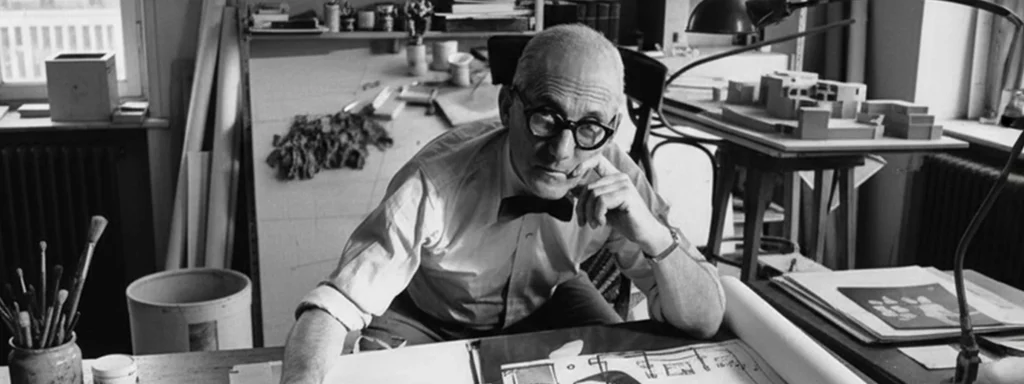
Le Corbusier: Modern Planning and Functional Living
Le Corbusier shaped modern architecture through ideas of functionality, proportion, urban planning, and new construction methods. He believed architecture should respond to modern life and new social needs.
His famous works include Villa Savoye, Unité d’Habitation, Notre-Dame du Haut at Ronchamp, and the Capitol Complex in Chandigarh. His ideas about pilotis, open floor plans, roof gardens, horizontal windows, and free facades strongly influenced modern design.
For architects, Le Corbusier represents clarity, order, and modern urban thinking. For interior designers, his work offers lessons in efficient layouts, modular proportions, minimal surfaces, and furniture as part of a larger spatial system.
Ludwig Mies van der Rohe: Minimalism and Structural Purity
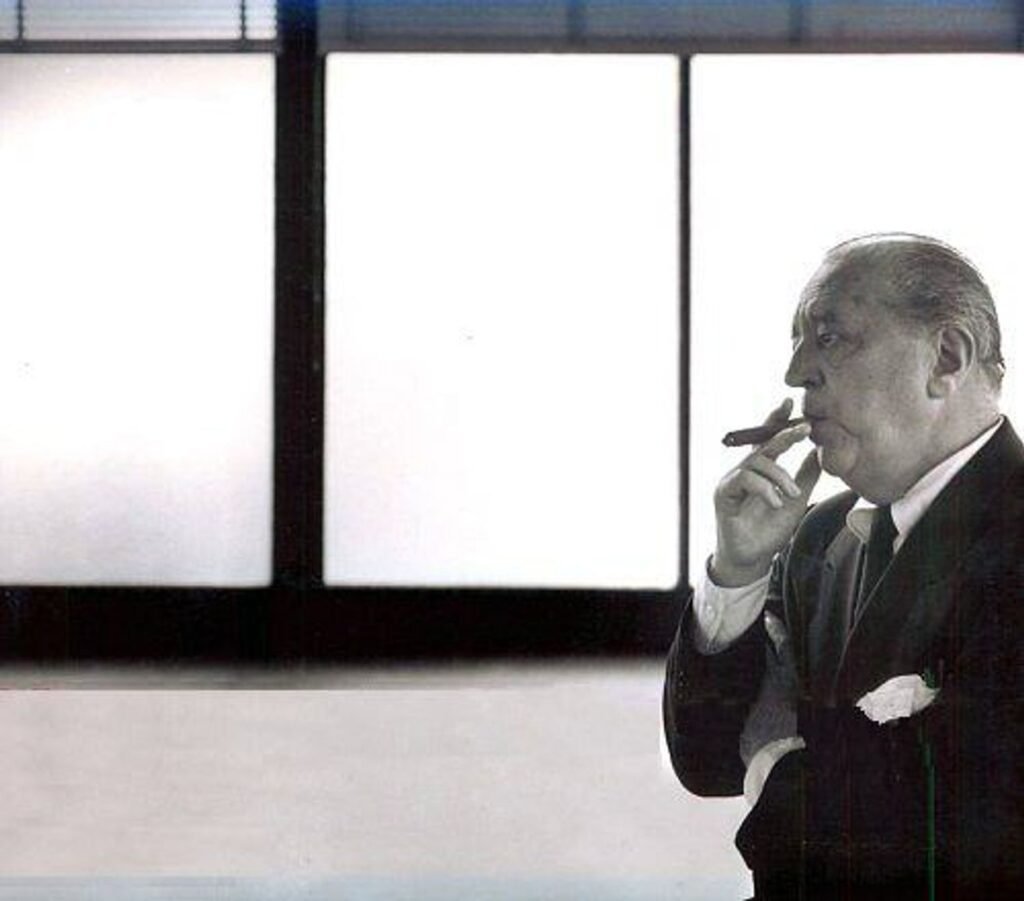
Ludwig Mies van der Rohe is known for the famous idea “less is more.” His architecture focused on simplicity, structure, glass, steel, open space, and refined detail.
His major works include the Barcelona Pavilion, Farnsworth House, Seagram Building, and Crown Hall. His buildings often appear simple, but their strength lies in precision, proportion, and material control.
For interior design, Mies teaches that luxury can come from restraint. Clean lines, open planning, carefully chosen materials, and uncluttered spaces can create strong visual impact. His work is especially important for modern offices, galleries, luxury residences, and minimalist interiors.
Zaha Hadid: Fluid Forms and Futuristic Design
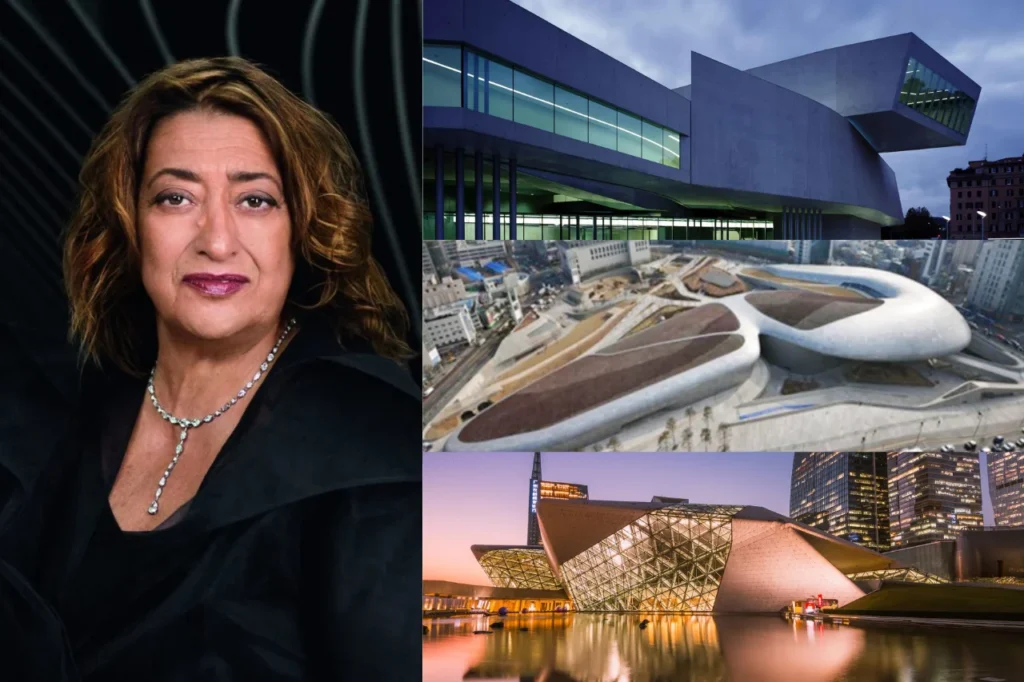
Zaha Hadid changed architecture with bold geometry, movement, curves, and futuristic forms. Her buildings often look dynamic, as if they are in motion.
Her famous projects include the Heydar Aliyev Center, MAXXI Museum, London Aquatics Centre, and Guangzhou Opera House. Her work challenged traditional ideas of structure and space, proving that buildings could feel fluid, sculptural, and dramatic.
For architects, Hadid represents experimentation and courage. For interior designers, her work shows how ceilings, walls, floors, furniture, and circulation can flow together to create immersive environments. Her spaces are not static; they feel alive.
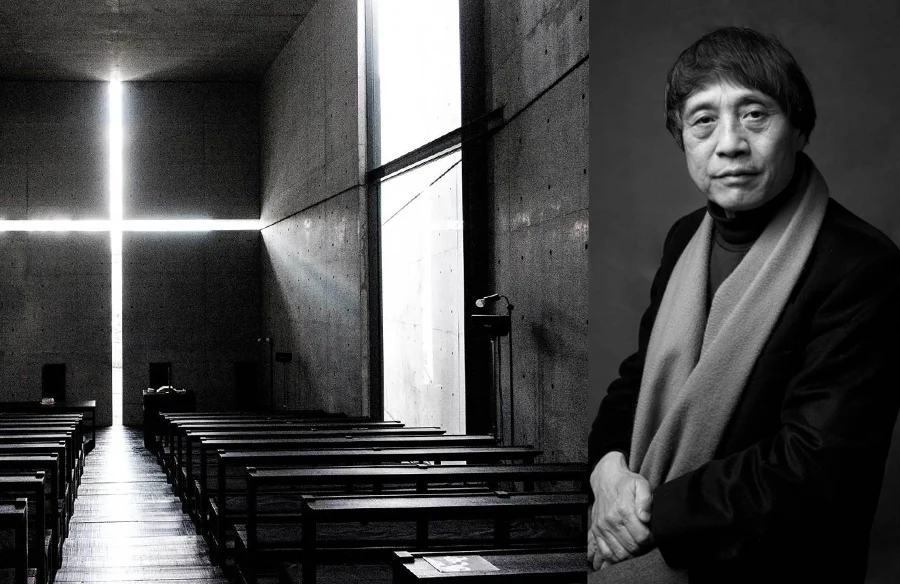
Tadao Ando: Silence, Concrete and Light
Tadao Ando is known for quiet, spiritual, and minimalist architecture. His work often uses exposed concrete, natural light, water, shadow, and simple geometry.
His famous projects include the Church of the Light, Chichu Art Museum, Row House in Sumiyoshi, and the Water Temple. Ando’s spaces are calm but powerful, showing how architecture can create emotion through silence and restraint.
For interior designers, Ando’s work is a lesson in atmosphere. Light entering through a narrow opening, a concrete wall, a still water surface, or an empty room can create a memorable experience without excessive decoration.
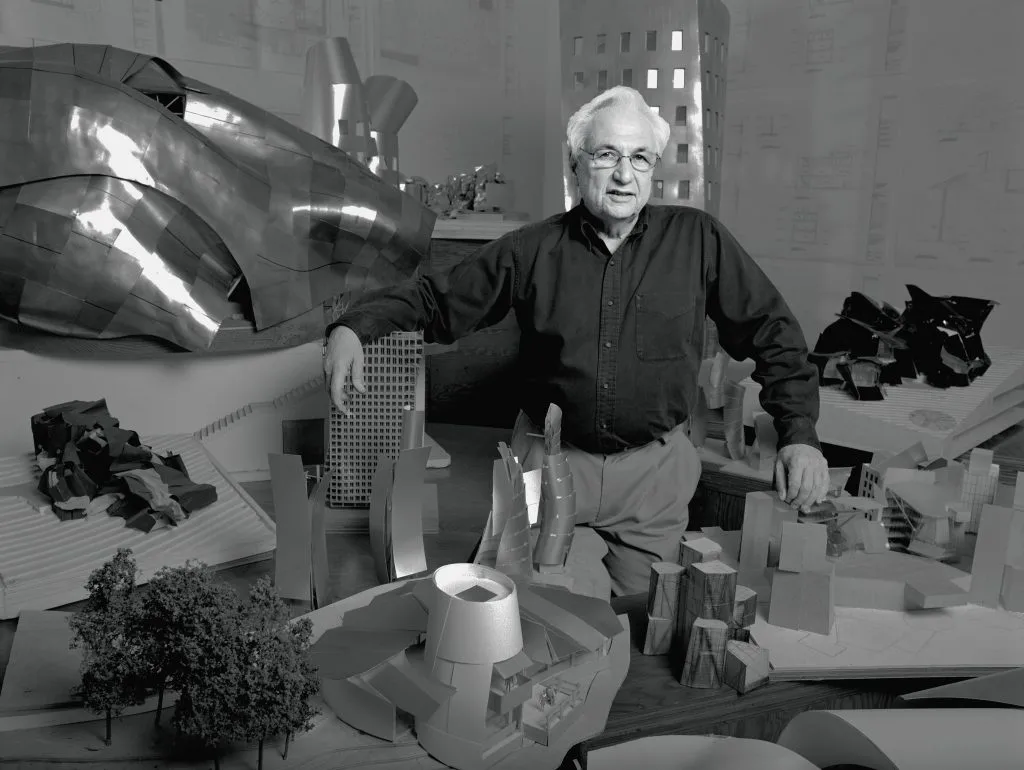
Frank Gehry: Sculptural Architecture and Movement
Frank Gehry is known for expressive, sculptural, and unconventional architecture. His buildings often break away from traditional forms and create dramatic urban landmarks.
His famous works include the Guggenheim Museum Bilbao, Walt Disney Concert Hall, Fondation Louis Vuitton, and Dancing House. The Guggenheim Bilbao became a global example of how architecture can transform a city’s identity and tourism value.
For architects, Gehry shows the power of bold form. For interior designers, his work highlights the importance of movement, surprise, material texture, and spatial drama. His buildings remind designers that creativity can reshape how people experience public spaces.
Norman Foster: Technology, Sustainability and High-Tech Design
Norman Foster is known for high-tech architecture, structural innovation, sustainability, and elegant engineering. His buildings often combine advanced technology with clean design.
His major works include The Gherkin in London, Apple Park in California, Hearst Tower in New York, and the Reichstag dome in Berlin. His architecture often focuses on transparency, energy performance, and intelligent structural systems.
For architects, Foster represents innovation and efficiency. For interior designers, his work shows how daylight, open planning, smart systems, and flexible spaces can improve comfort and productivity.

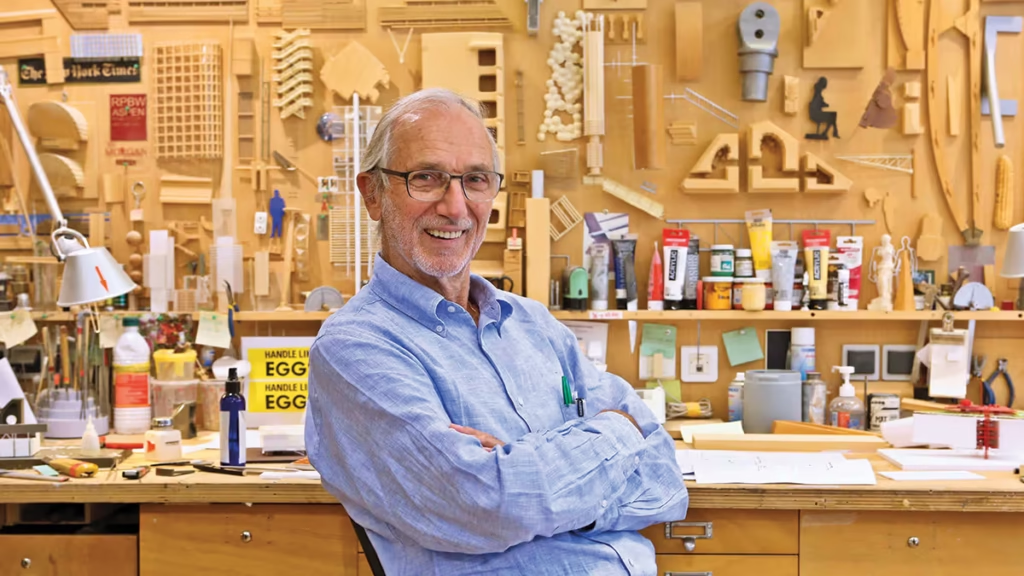
Renzo Piano: Lightness, Craft and Human Scale
Renzo Piano is admired for architecture that feels light, thoughtful, and human-centred. His projects often combine engineering precision with cultural sensitivity.
His famous works include Centre Pompidou, The Shard, The Menil Collection, and the Jean-Marie Tjibaou Cultural Centre. Piano’s buildings often respond carefully to context, climate, and public life.
For interior designers, his work teaches balance. Materials, structure, light, and human scale must work together. His spaces often feel refined without becoming cold, proving that technical architecture can still feel warm and welcoming.
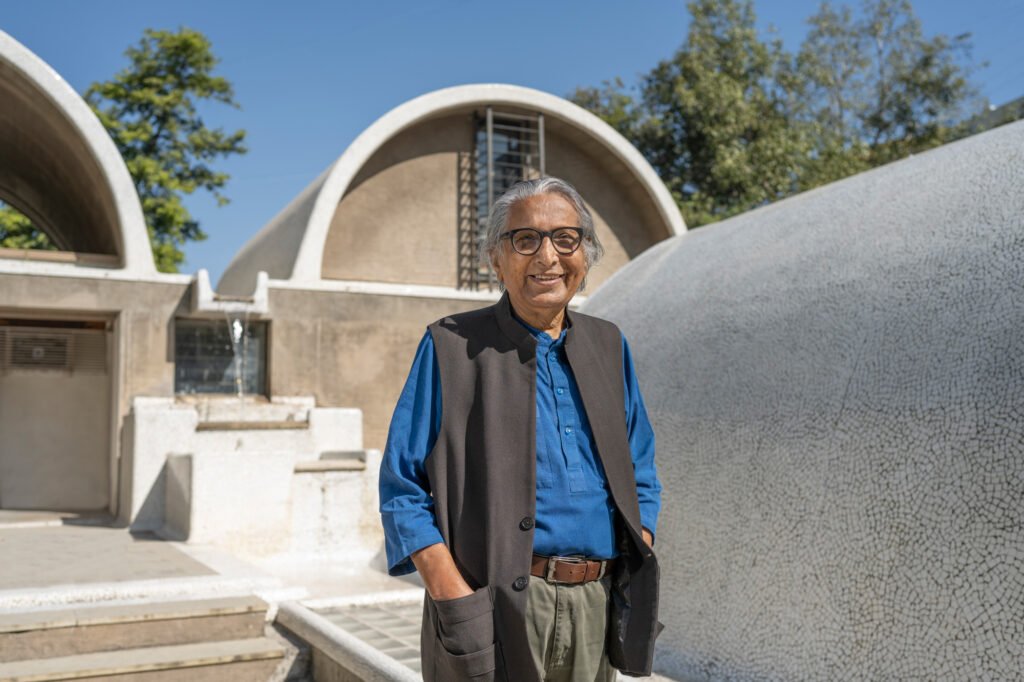
Balkrishna Doshi: Indian Modernism and Social Design
Balkrishna Doshi brought Indian architecture to global attention through climate-responsive design, social housing, education spaces, and human-centred planning.
His famous projects include Aranya Low Cost Housing, IIM Bangalore, CEPT University, and Sangath in Ahmedabad. His work reflects Indian climate, community life, local materials, shaded spaces, courtyards, and social interaction.
For Indian architects and interior designers, Doshi is especially inspiring. He showed that modern design does not need to copy the West. It can be rooted in local culture, climate, community, and everyday life.
Shigeru Ban: Humanitarian Architecture and Material Innovation
Shigeru Ban is known for using simple materials in powerful ways, especially paper tubes, timber, and recyclable systems. His work often focuses on disaster relief, temporary shelters, and humanitarian architecture.
His famous projects include the Cardboard Cathedral in New Zealand, Centre Pompidou-Metz, Paper Log Houses, and temporary shelters for disaster-hit communities. His work proves that architecture can serve people in moments of crisis.
For designers, Ban offers an important lesson: innovation does not always mean expensive materials. Sometimes the most meaningful design comes from simplicity, speed, empathy, and responsibility.

Bjarke Ingels: Playful Sustainability and Future Thinking
Bjarke Ingels represents a newer generation of architects who combine sustainability, urban life, playfulness, and bold form. His practice often explores how buildings can be practical, green, and enjoyable at the same time.
His famous projects include VIA 57 West, CopenHill, 8 House, and many global urban projects. CopenHill, a waste-to-energy plant with a ski slope, is a strong example of mixing infrastructure with public recreation.
For architects and interior designers, Ingels shows how design can solve serious problems without losing imagination. His work appeals strongly to younger audiences because it makes sustainability feel active, social, and optimistic.

Comparing Icons by Design Philosophy
Each architect has a different way of thinking about space. Many of the architects discussed in this blog are also recognised among the Pritzker Architecture Prize laureates, making the official laureate list a useful reference for readers who want to explore more globally influential design figures.
Frank Lloyd Wright focused on nature and organic living. Le Corbusier focused on modern order and function. Mies van der Rohe focused on minimal structure. Zaha Hadid focused on movement and future forms. Tadao Ando focused on silence and light. Frank Gehry focused on sculpture and emotion. Norman Foster focused on technology and sustainability. Renzo Piano focused on human scale and craft. Balkrishna Doshi focused on climate, community, and Indian identity. Shigeru Ban focused on humanitarian responsibility. Bjarke Ingels focused on playful sustainability.
This comparison shows that architecture has many paths. Some architects inspire through boldness, while others inspire through restraint. Some create iconic landmarks, while others create deeply humane spaces. What connects them is their ability to make people feel something through design.
Which Architect Inspires Modern Design the Most?
There is no single answer. The most inspiring architect depends on what a designer values.
For organic living, Frank Lloyd Wright remains powerful. For modern planning, Le Corbusier is essential. For minimalism, Mies and Ando are deeply influential. For futuristic forms, Zaha Hadid is unmatched. For technology and sustainability, Norman Foster and Bjarke Ingels are highly relevant. For human-centred Indian architecture, Balkrishna Doshi remains one of the most meaningful references. For social responsibility, Shigeru Ban stands out.
Together, these architects prove that design inspiration can come from many directions.
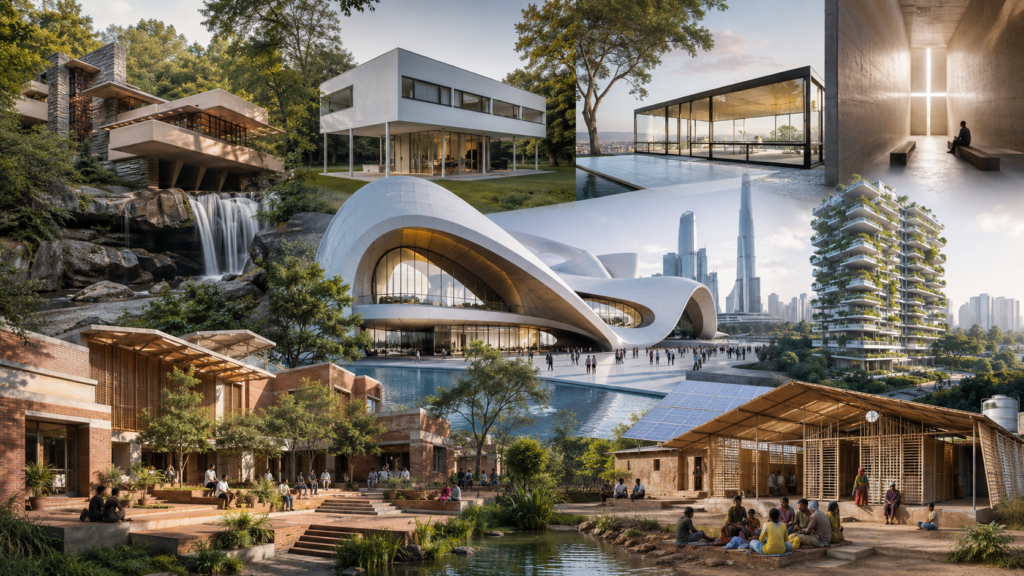
Final Thoughts on Icons Who Inspired the World
The world’s most renowned architect icons have inspired millions because they changed the way people experience space. Their buildings are not only famous because they look different. They are remembered because they carry ideas, emotions, values, and lessons that continue to influence generations.
For architects and interior designers, studying their work is like studying the evolution of modern design itself. Their philosophies show that architecture can be bold or quiet, futuristic or traditional, monumental or modest.
In the end, the greatest design lesson is simple: architecture should improve life. It should respond to people, respect places, and create spaces that remain meaningful long after trends have passed.