

This blog explores the history, design language, interior details, and film connection of Chomu Palace, while also looking at how Bhool Bhulaiyaa used heritage architecture to build suspense, mystery, and visual drama.
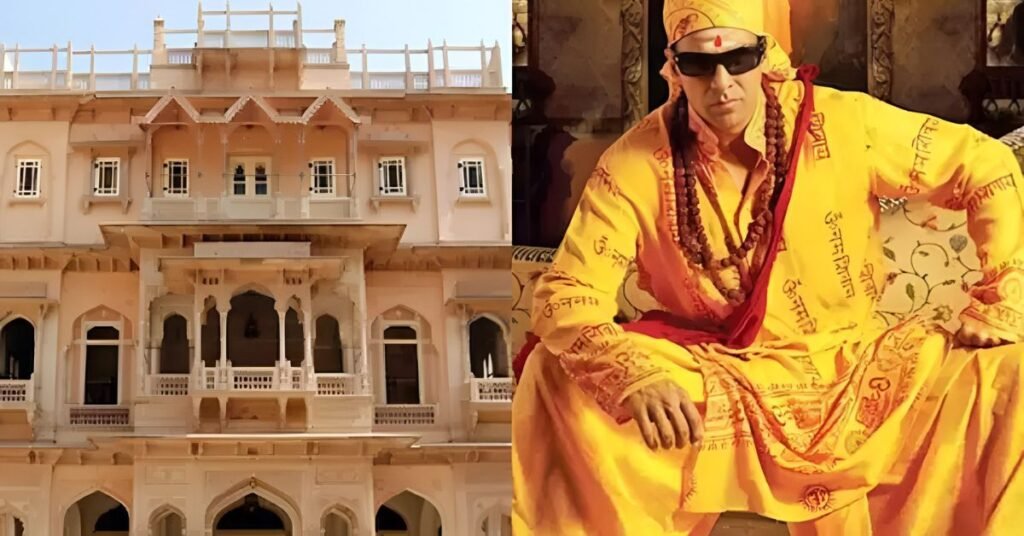
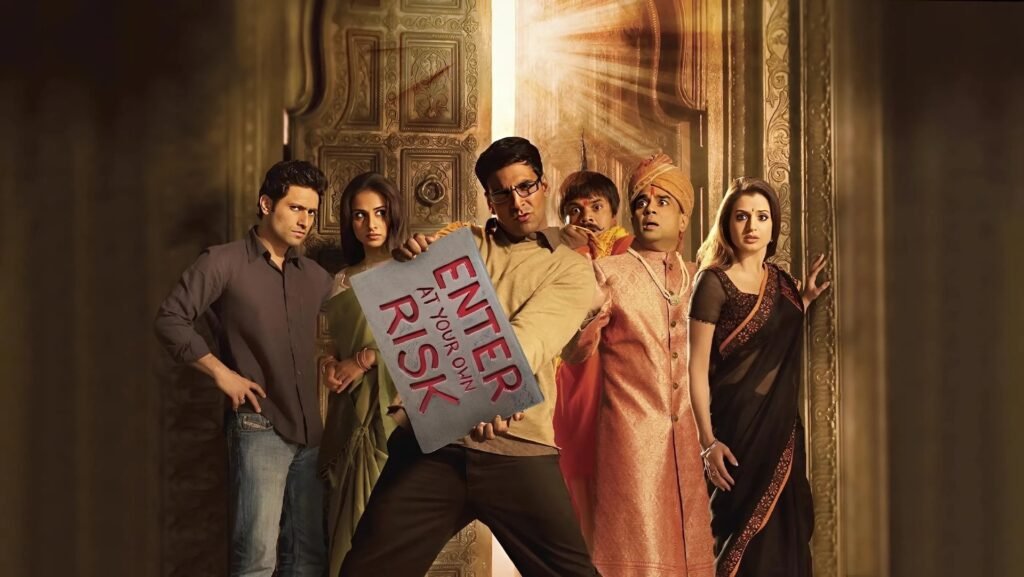
Rajasthan is filled with royal forts, havelis, courtyards, and heritage hotels, but Chomu Palace has a special place in Bollywood memory. For many viewers, it is remembered as the mysterious haveli from Bhool Bhulaiyaa, the 2007 psychological horror-comedy starring Akshay Kumar, Vidya Balan, Shiney Ahuja, Ameesha Patel, Paresh Rawal, Rajpal Yadav, and other well-known actors.
For architecture and interior design lovers, the attraction goes beyond cinema. Chomu Palace is not just a dramatic film location. It is a historic fortified residence where stone walls, arched corridors, carved details, antique furniture, courtyards, murals, jaali work, and royal interiors create a natural cinematic mood.
This blog explores the history, design language, interior details, and film connection of Chomu Palace, while also looking at how Bhool Bhulaiyaa used heritage architecture to build suspense, mystery, and visual drama.
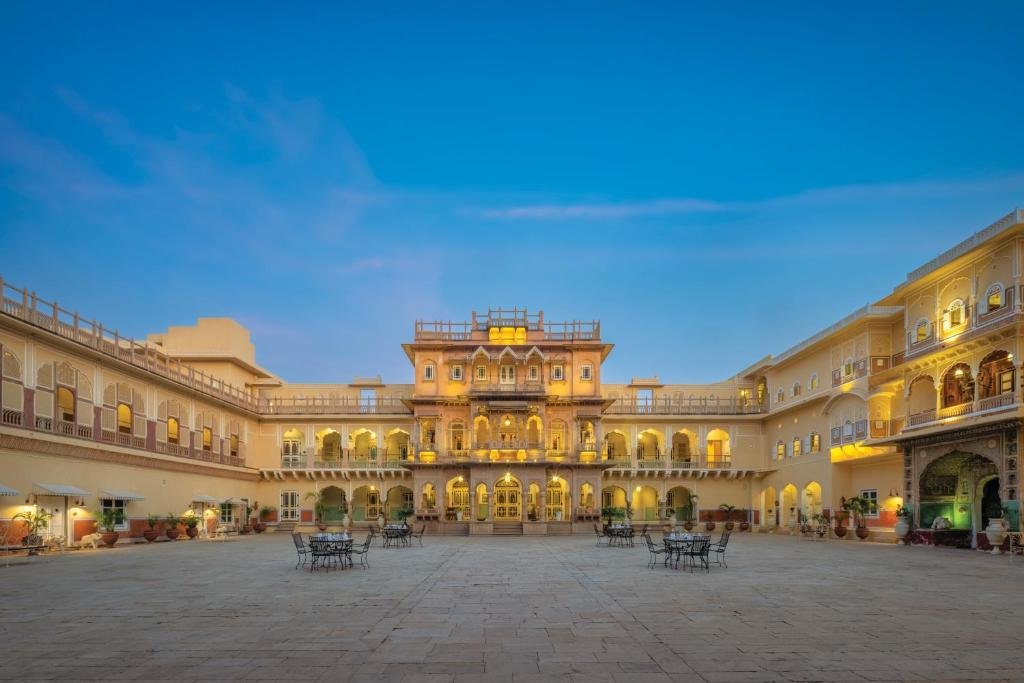
Why This Palace Became Perfect for Bhool Bhulaiyaa?
A horror-comedy works best when the location feels like a character. Bhool Bhulaiyaa needed an ancestral home that could look grand, beautiful, confusing, and slightly unsettling at the same time. Chomu offered exactly that.
Its corridors, massive doors, shaded passages, inner courtyards, carved balconies, and old-world rooms helped create the feeling of a place filled with secrets. The film’s story depends heavily on the idea of a large traditional home where history, superstition, family conflict, and psychological tension overlap.
Instead of using only artificial sets, the movie benefited from a real heritage backdrop. That is why the spaces in the film feel layered and believable. The architecture supports the mood before the dialogue even begins.
The Palace History Behind the Cinematic Frame
Chomu began as Chomugarh Fort and later evolved into a royal residence. Its story reflects Rajasthan’s transition from defensive architecture to refined aristocratic living. Thick outer walls, strategic planning, and protected internal zones show its early military purpose, while later additions brought in ceremonial rooms, decorative interiors, and hospitality spaces.
The building carries a blend of Rajput, Mughal, and European influences. This mix is visible in arches, domes, courtyards, painted surfaces, carved openings, and formal halls. For designers, this layered history is important because it shows how buildings can evolve over centuries without losing identity.
Today, the property functions as a luxury heritage hotel, but its restoration keeps the old character alive. This balance between preservation and comfort is one of its strongest design lessons.
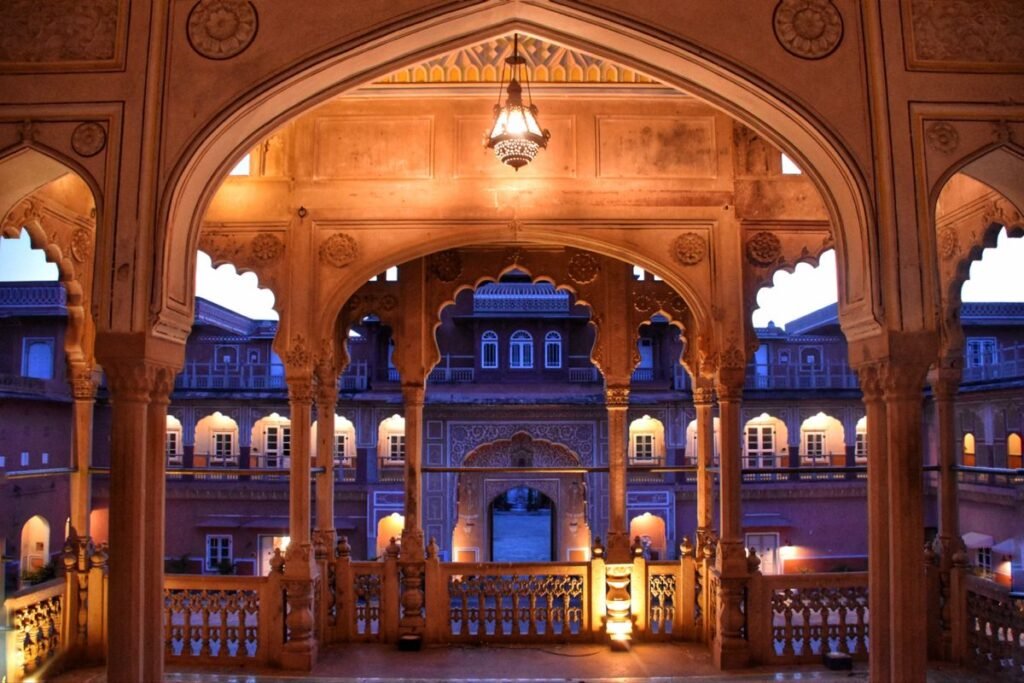
Palace Architecture: Fort Walls, Courtyards and Climate Logic
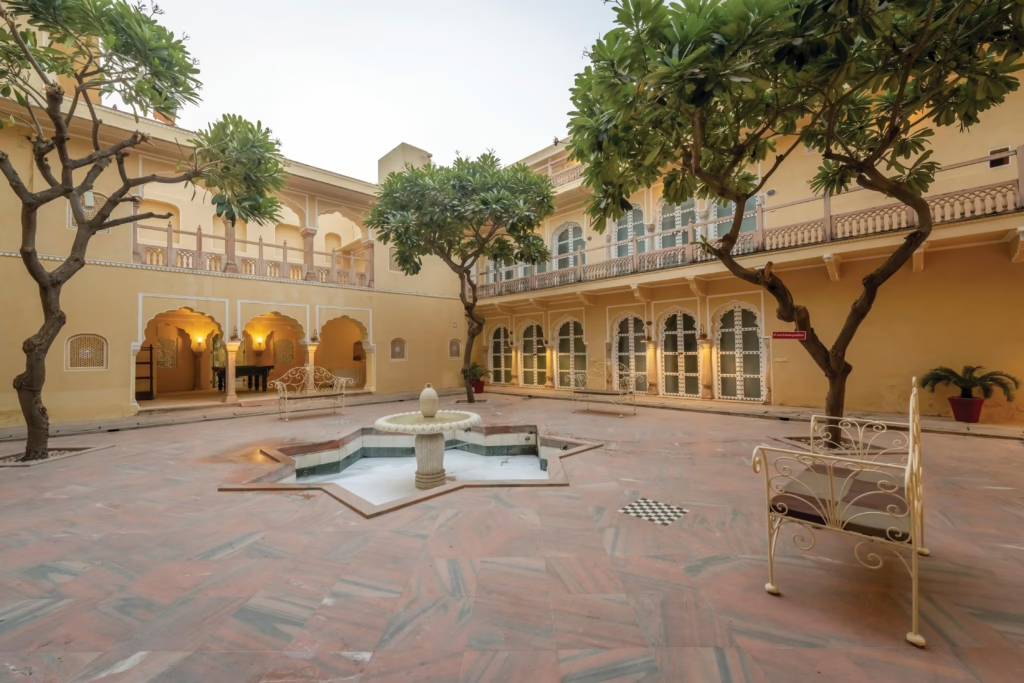
The architecture of Chomu Palace is not only decorative. It is also practical. Rajasthan’s climate requires buildings that manage heat, light, air, and privacy. Traditional elements such as thick walls, shaded verandahs, courtyards, high ceilings, and jaali screens help create cooler and more comfortable interiors.
Courtyards work as breathing spaces within the structure. They allow light to enter while keeping the inner areas protected. Corridors create movement and suspense, which is one reason the building worked so well on screen. In Bhool Bhulaiyaa, these transitional spaces become visual tools that guide the viewer through uncertainty.
For modern architects, Chomu is a reminder that climate-responsive design can be beautiful, dramatic, and functional at the same time.
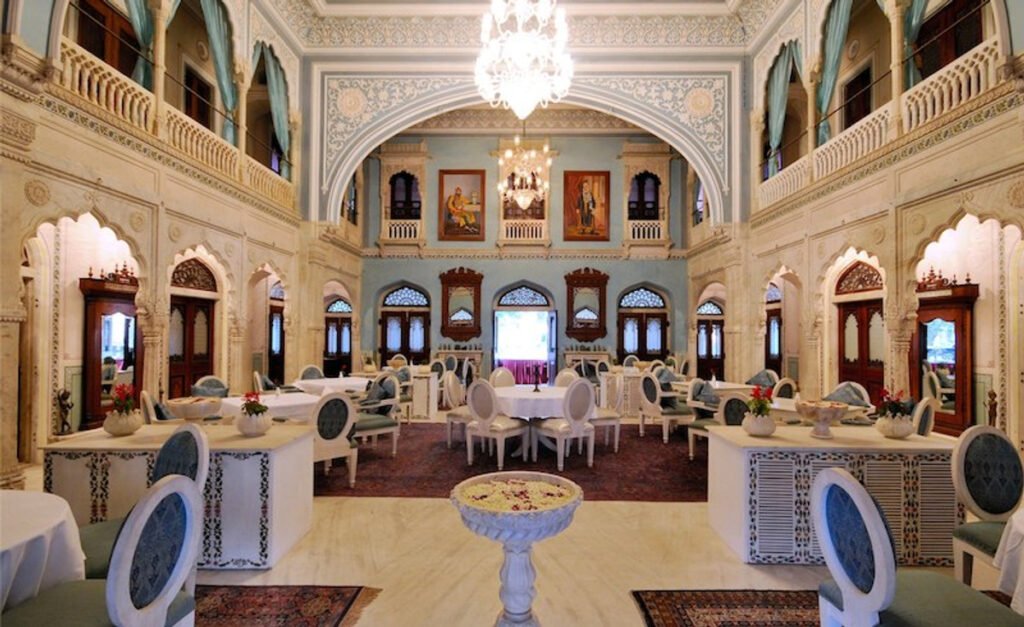
Interior Design Details That Created the Bhool Bhulaiyaa Mood
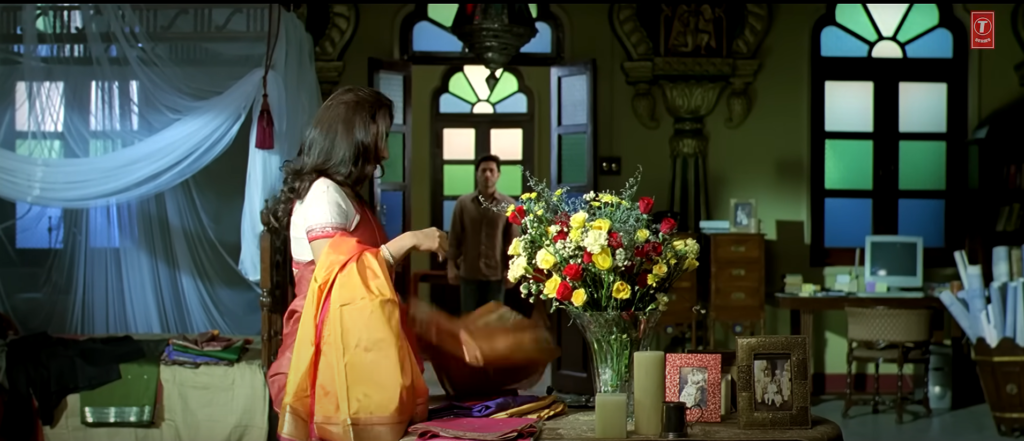
The interiors of Chomu Palace have the richness needed for a royal setting. Antique furniture, patterned textiles, carved wood, marble surfaces, frescoes, mirror details, traditional lamps, and decorative ceilings create a strong sense of place.
In the film, the atmosphere of the haveli depends on contrast. Daylight can make the rooms look regal and inviting, while dim light and shadow make the same spaces feel mysterious. This is an important lesson for interior designers: the mood of a room changes completely through lighting, framing, colour, and material texture.
The use of traditional details also gave the movie authenticity. A plain modern house could not have created the same psychological depth. The heritage interiors made the story feel rooted in memory, family history, and hidden emotion.
Shooting Facts: Palace Scenes and Bollywood Legacy
Bhool Bhulaiyaa was directed by Priyadarshan and released in 2007. Public filming-location listings mention Chomu as the haveli shown in the film, along with Jaipur locations and the Hampi setting associated with the song “Allah Hafiz.” Publicly listed filming dates for the production run from February 18, 2007 to March 30, 2007.
The film’s connection with Chomu has become so strong that many visitors now identify the heritage hotel with Manjulika’s haveli. This is a rare example of cinema permanently changing how people experience a building.
Another interesting detail is that the same location has recently returned to public attention because Akshay Kumar and Priyadarshan’s newer horror-comedy Bhooth Bangla has also been associated with Chomu. This renewed connection has made the site even more attractive for fans of Bollywood architecture and haunted-haveli storytelling.
How the Palace Shaped the Film’s Visual Storytelling?
The best film locations do not simply sit in the background. They influence how scenes are staged and how viewers feel. Chomu’s architecture helped Bhool Bhulaiyaa create a maze-like experience through doors, corridors, thresholds, stairways, and enclosed rooms.
The building’s layered layout supports the title itself, which means a maze or labyrinth. The viewer feels that every room may lead to another secret. The combination of old surfaces, warm tones, decorative ceilings, and shadowed corners creates a visual rhythm that supports both comedy and suspense.
For production designers, Chomu shows how an existing heritage property can reduce the need for excessive set-building because the walls already carry atmosphere.
Design Lessons from Palace Interiors for Modern Homes
Chomu offers several ideas that can be adapted into contemporary interiors without directly copying a royal style.
Designers can use carved wooden doors as statement pieces, jaali panels as partitions, warm sandstone tones for walls, brass accents for lighting, and patterned textiles for cushions or upholstery. Courtyard-inspired planning can also work beautifully in villas, boutique hotels, resorts, and cultural homes.
The key is balance. Too many heritage elements can make a space feel heavy. But when used carefully, arches, murals, mirrors, handcrafted furniture, and textured walls can bring warmth, character, and timelessness into modern interiors. To understand how heritage elements can be reinterpreted for today’s spaces, readers can also explore this guide on traditional vs contemporary Indian architecture, which explains how classic Indian design ideas continue to influence modern architecture and interiors.
Why Palace Tourism and Film Tourism Work Together?
Chomu is a strong example of how architecture, hospitality, and cinema can support each other. A heritage hotel already attracts travellers interested in Rajasthan’s royal lifestyle. When a famous film is connected to the site, it adds emotional value and curiosity.
Visitors do not come only to see rooms and courtyards. They come to stand inside a place they remember from the screen. This creates a deeper relationship between audience, architecture, and memory.
For hotels and heritage destinations, this is a powerful branding lesson. When a location has a film connection, it should be presented with care, accuracy, and respect for the building’s original history.
Final Thoughts on This Palace and Its Timeless Appeal
Chomu remains memorable because it combines history, architecture, interiors, hospitality, and cinema in one experience. Its journey from fortified structure to royal residence, heritage hotel, and Bollywood landmark makes it a rich subject for design lovers.
Bhool Bhulaiyaa gave the location a lasting place in popular culture, but the real strength of the building lies in its architecture. The courtyards, jaali screens, frescoes, thick walls, antique furniture, and layered interiors prove why heritage spaces continue to inspire filmmakers, architects, and interior designers.
In the end, Chomu is more than a filming location. It is a reminder that great buildings carry stories long before the camera arrives, and cinema simply gives those stories a new audience.