
Some buildings rise above their setting. Camel Cave Visitors Center does the opposite. Rooted in the Berkane Mountains, this visitor center feels less like an imposition and more like a natural extension of the terrain. What makes the project compelling is not spectacle, but restraint. Through rammed earth architecture, fragmented volumes, and a sensitive response to topography, it creates a quiet yet powerful dialogue between landscape, vernacular memory, and contemporary design. For visitors, researchers, and architecture enthusiasts alike, Camel Cave Visitors Center offers more than shelter. It offers a spatial experience shaped by light, horizon, material honesty, and a deeply rooted sense of place. An Architectural Pause in the Berkane Mountains Camel Cave Visitors Center begins with a rare kind of confidence: the confidence to stay quiet. In the Berkane Mountains, where the terrain already carries its own visual authority, the project does not try to dominate the landscape. Instead, it settles into it with a grounded presence that feels measured, calm, and deeply rooted. That decision is what gives the project its strength. Rather than announcing itself through a singular monumental gesture, this visitor center architecture draws attention through balance, proportion, and placement. The building seems to understand that in a setting like this, architecture is most powerful when it listens first. The surrounding mountain ridges, open sky, and long horizons are not treated as background scenery. They are active design partners. Every volume appears positioned with an awareness of the land, allowing Camel Cave Visitors Center to participate …
Some buildings rise above their setting. Camel Cave Visitors Center does the opposite. Rooted in the Berkane Mountains, this visitor center feels less like an imposition and more like a natural extension of the terrain.
What makes the project compelling is not spectacle, but restraint. Through rammed earth architecture, fragmented volumes, and a sensitive response to topography, it creates a quiet yet powerful dialogue between landscape, vernacular memory, and contemporary design.
For visitors, researchers, and architecture enthusiasts alike, Camel Cave Visitors Center offers more than shelter. It offers a spatial experience shaped by light, horizon, material honesty, and a deeply rooted sense of place.
An Architectural Pause in the Berkane Mountains
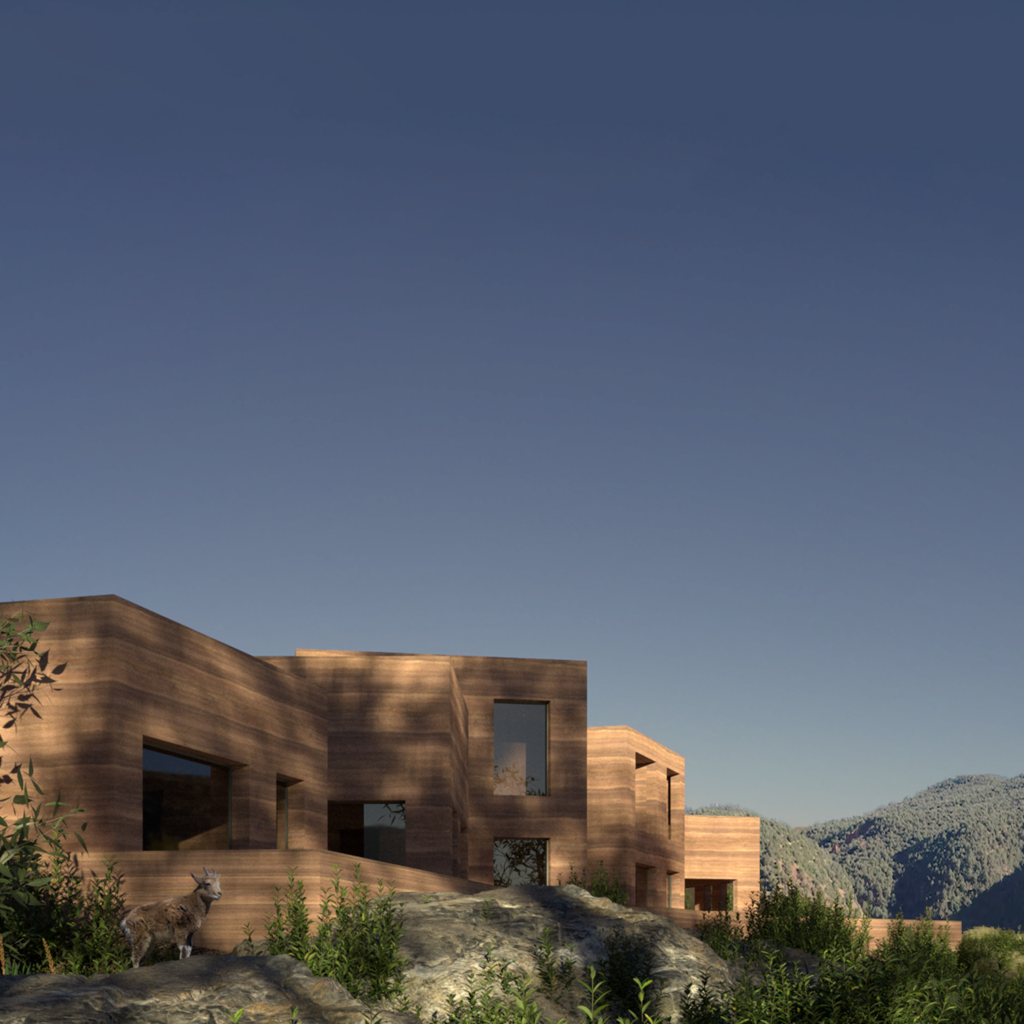
Camel Cave Visitors Center begins with a rare kind of confidence: the confidence to stay quiet. In the Berkane Mountains, where the terrain already carries its own visual authority, the project does not try to dominate the landscape. Instead, it settles into it with a grounded presence that feels measured, calm, and deeply rooted.
That decision is what gives the project its strength. Rather than announcing itself through a singular monumental gesture, this visitor center architecture draws attention through balance, proportion, and placement. The building seems to understand that in a setting like this, architecture is most powerful when it listens first.
The surrounding mountain ridges, open sky, and long horizons are not treated as background scenery. They are active design partners. Every volume appears positioned with an awareness of the land, allowing Camel Cave Visitors Center to participate in the landscape rather than interrupt it. This is where the project immediately distinguishes itself as landscape-integrated architecture.
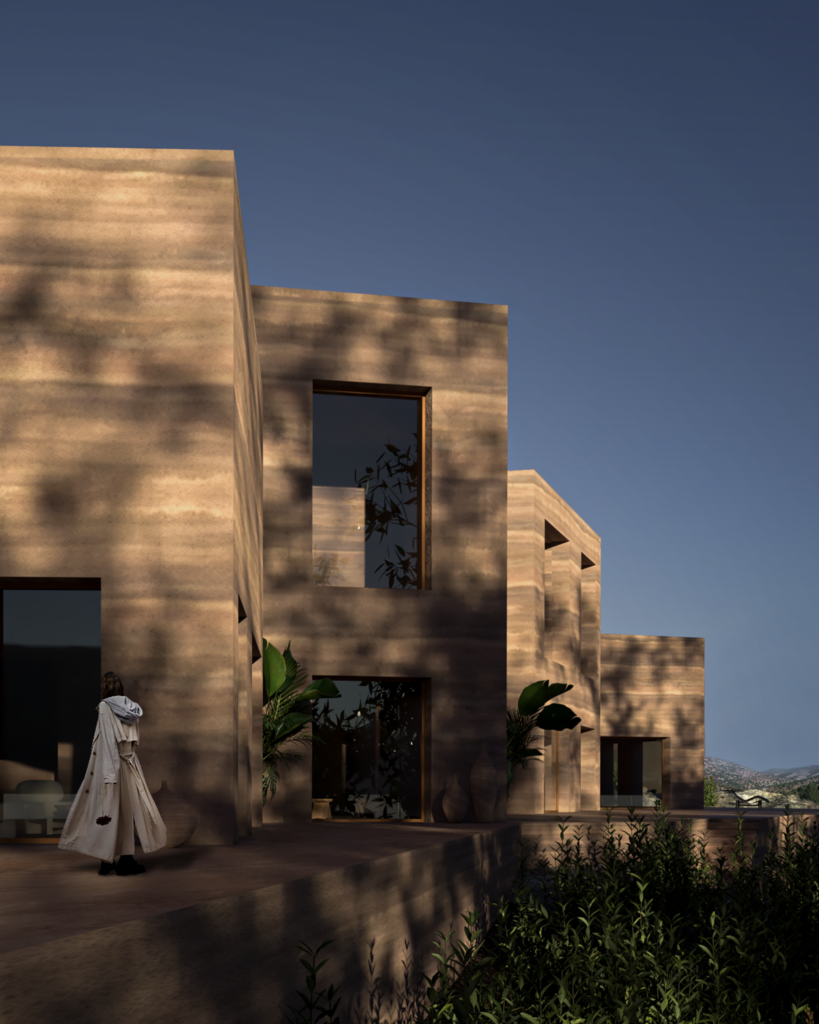
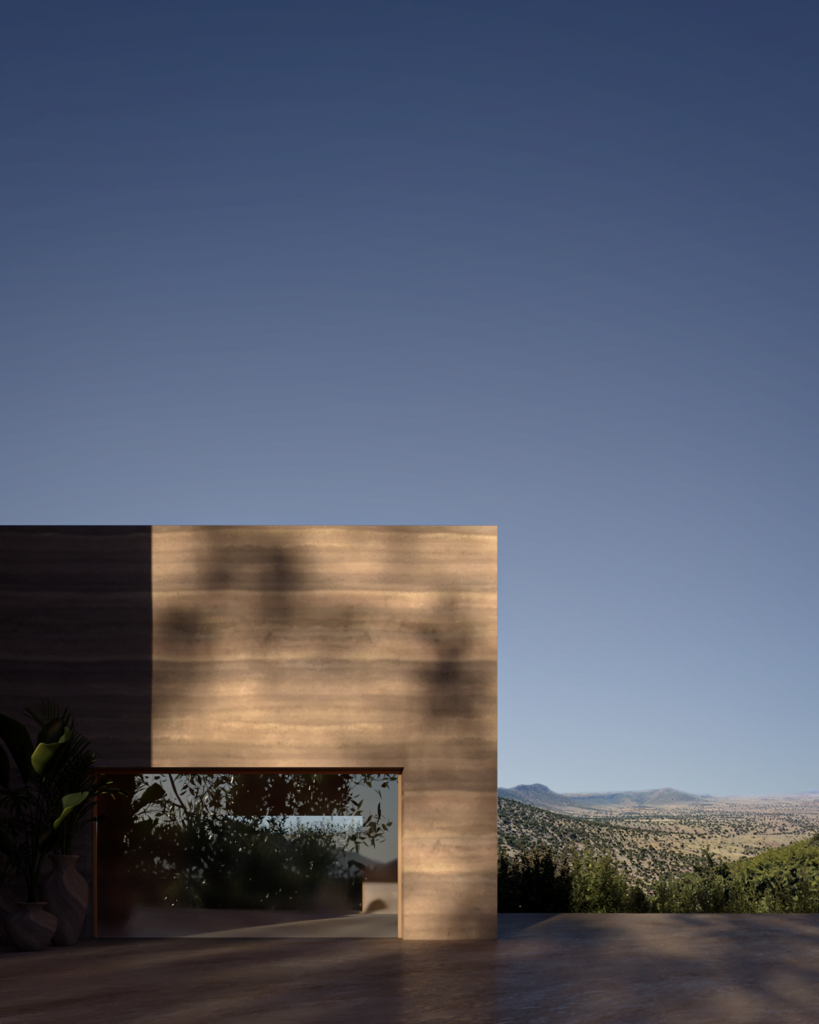
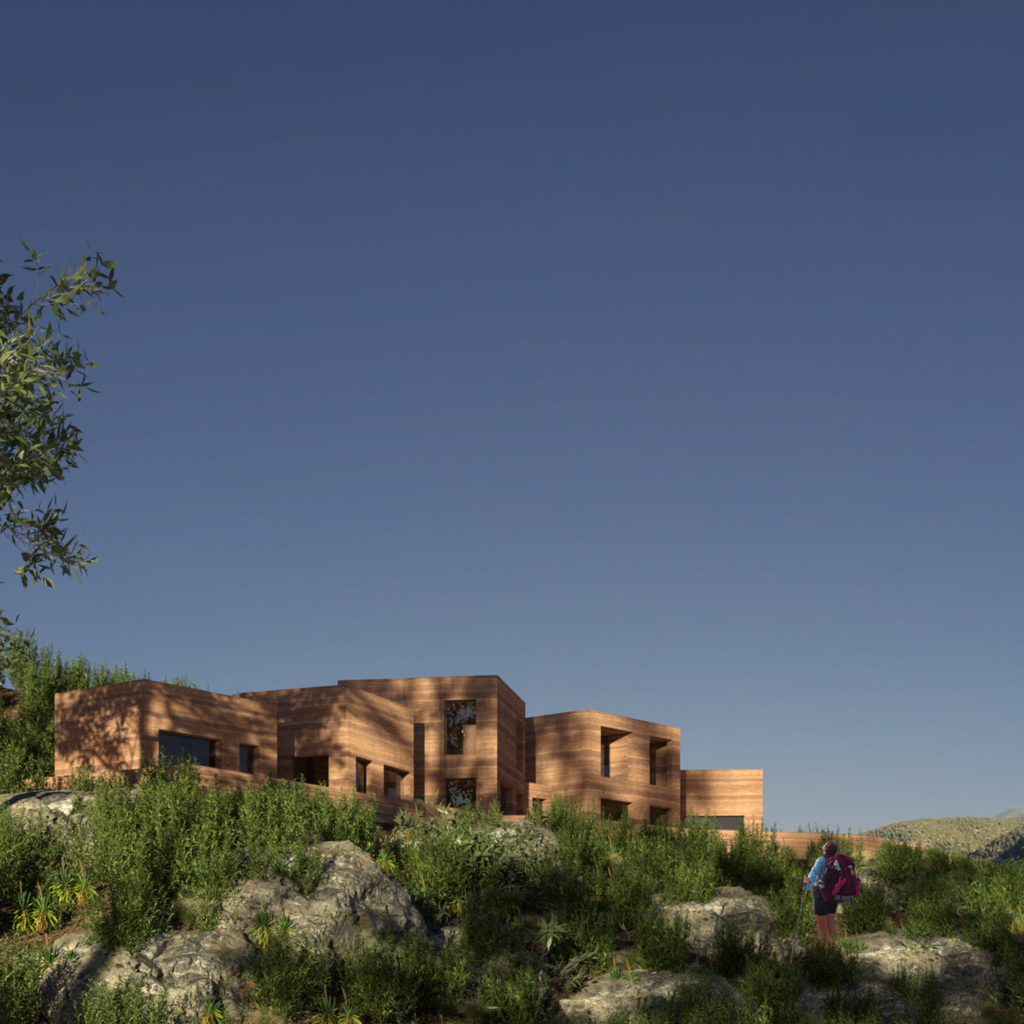
There is also an emotional intelligence to the way the building is perceived from afar. Its earthy massing and low-slung profile create a sense of belonging, as though the structure has emerged from the site’s own material logic. That rooted quality is essential. It allows the project to feel culturally and geographically anchored, which is increasingly important in contemporary architecture that seeks relevance beyond image-making.
For the reader, this first impression matters. Before one begins to understand the plans, the material palette, or the interior sequence, Camel Cave Visitors Center already communicates something valuable: that architecture in a powerful natural setting does not need to compete with nature to be memorable.
Rooted in the Terrain: How the Volumes Follow the Site
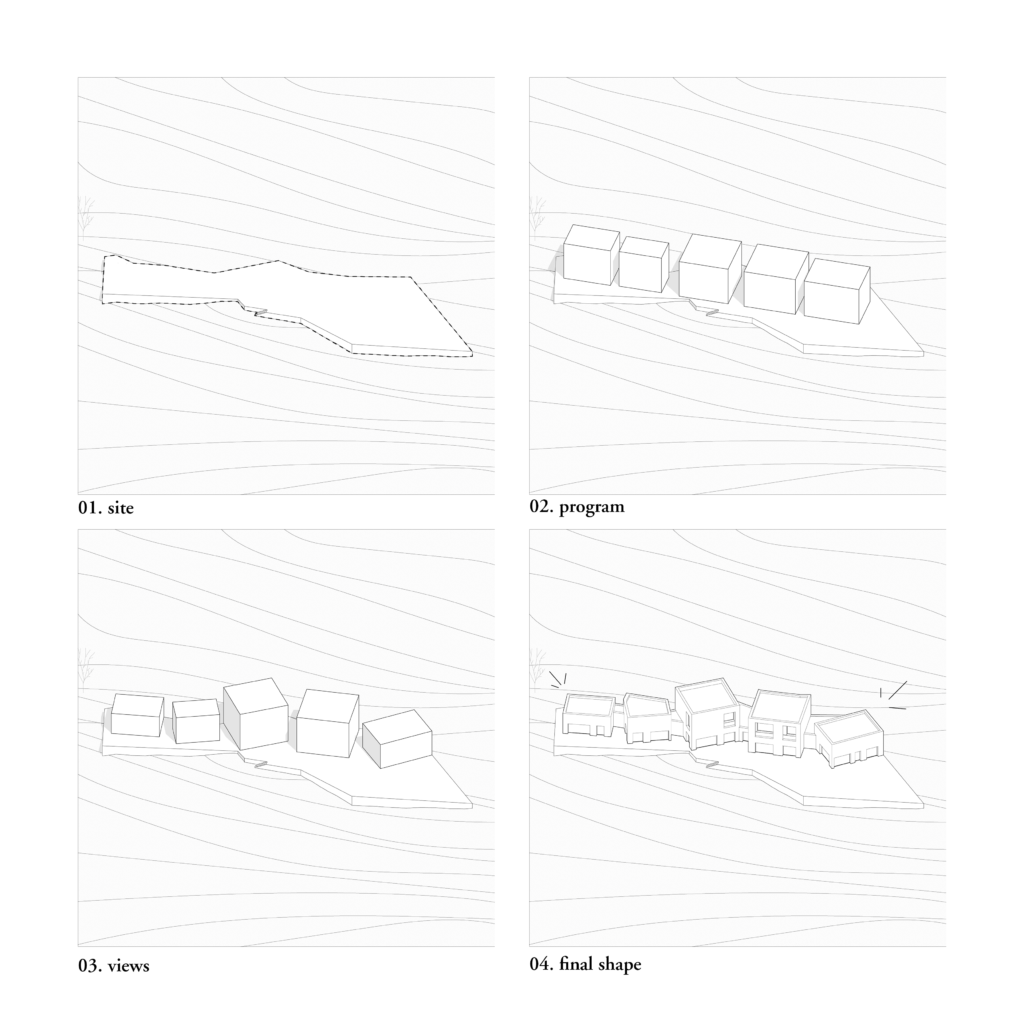
One of the most convincing aspects of Camel Cave Visitors Center is the way its form grows out of the site rather than being imposed upon it. The project reads as an architectural response to the terrain, where orientation, slope, and horizon are not treated as constraints but as guiding forces. That is what makes the building feel so rooted from the very first glance.
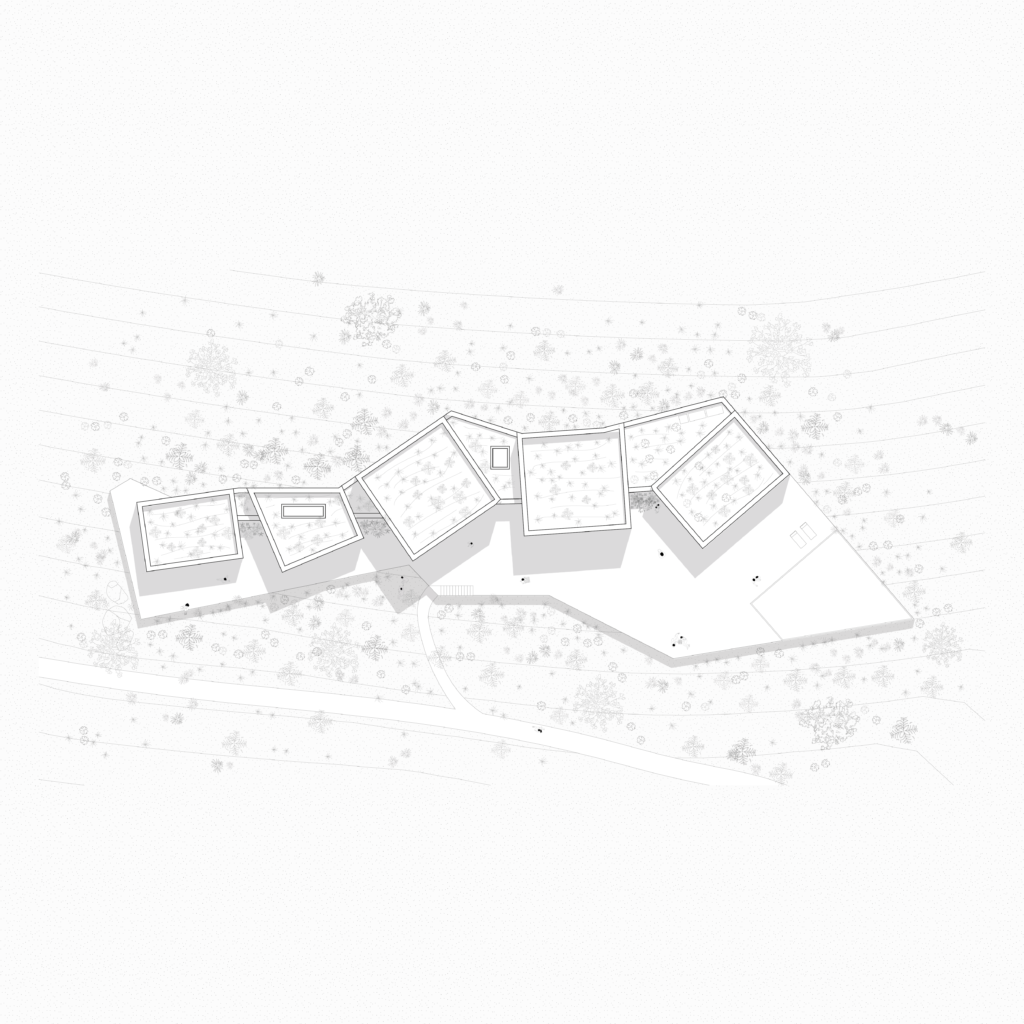
Instead of relying on a single uninterrupted mass, the design breaks the program into multiple volumes of varying heights and proportions. This move does more than reduce visual heaviness. It allows the visitor center to sit more naturally within the mountainous topography, creating an ensemble that feels calibrated to the site’s rhythm and scale.
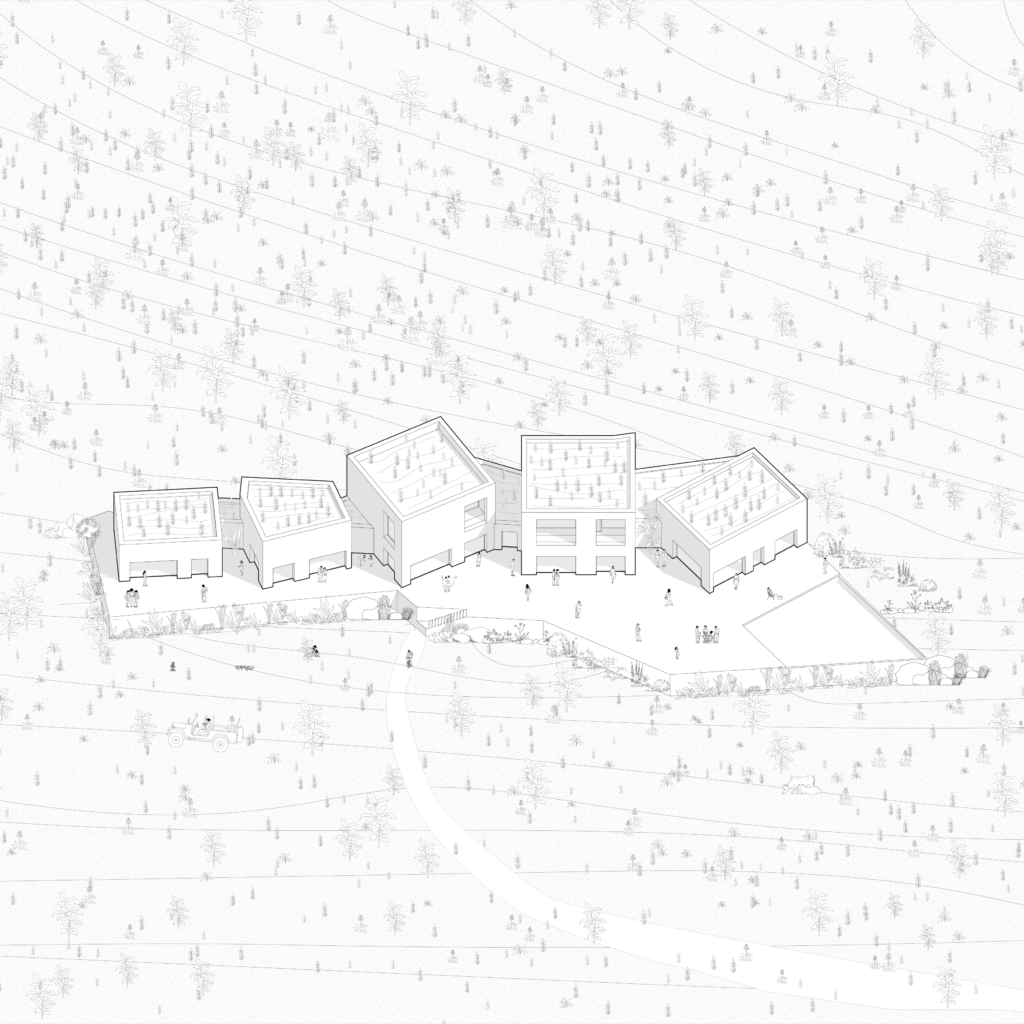
The placement and rotation of these volumes are especially important. Each shift in geometry appears to respond to a specific condition in the landscape, whether that is a change in level, a directional view, or the need to establish a more fluid relationship between built form and open ground. As a result, the project gains a sense of movement without ever becoming restless.
This fragmented composition also helps the building maintain continuity with the distant horizons around it. Rather than presenting one dominant façade, Camel Cave Visitors Center unfolds as a series of measured interventions, each one reinforcing the connection between architecture and landscape. That approach gives the project spatial richness while preserving its quiet architectural discipline.
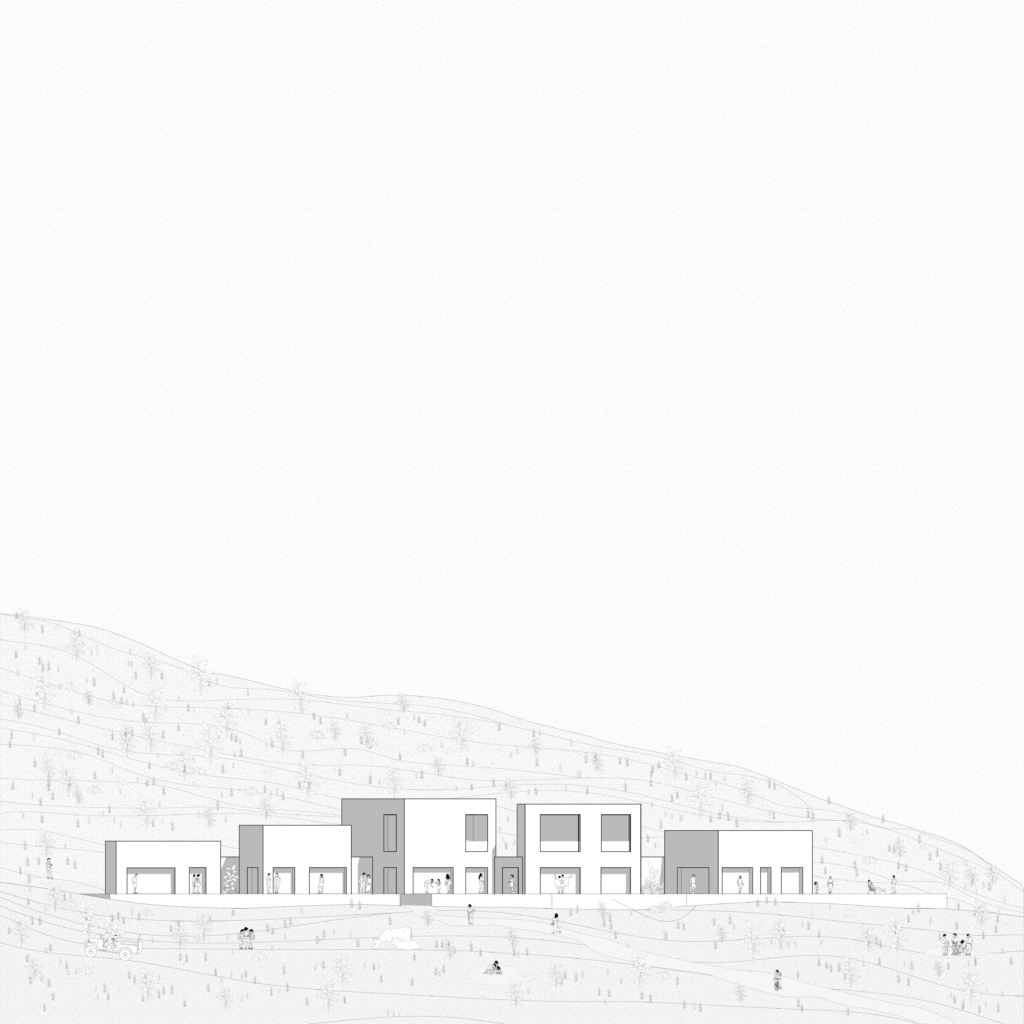
There is a practical intelligence here as well. By following the site so closely, the design achieves a stronger environmental and visual fit. The building belongs to its terrain not only symbolically, but physically. In that sense, the architecture becomes less about creating an icon and more about shaping a meaningful relationship with the land.
What emerges is a model of contextual architecture that feels both deliberate and effortless. Camel Cave Visitors Center demonstrates that when massing is handled with care, the building can become an extension of the site itself, rooted in topography, open to the horizon, and fully aware of its place in the Berkane Mountains.
A Contemporary Reading of Vernacular Rural Architecture
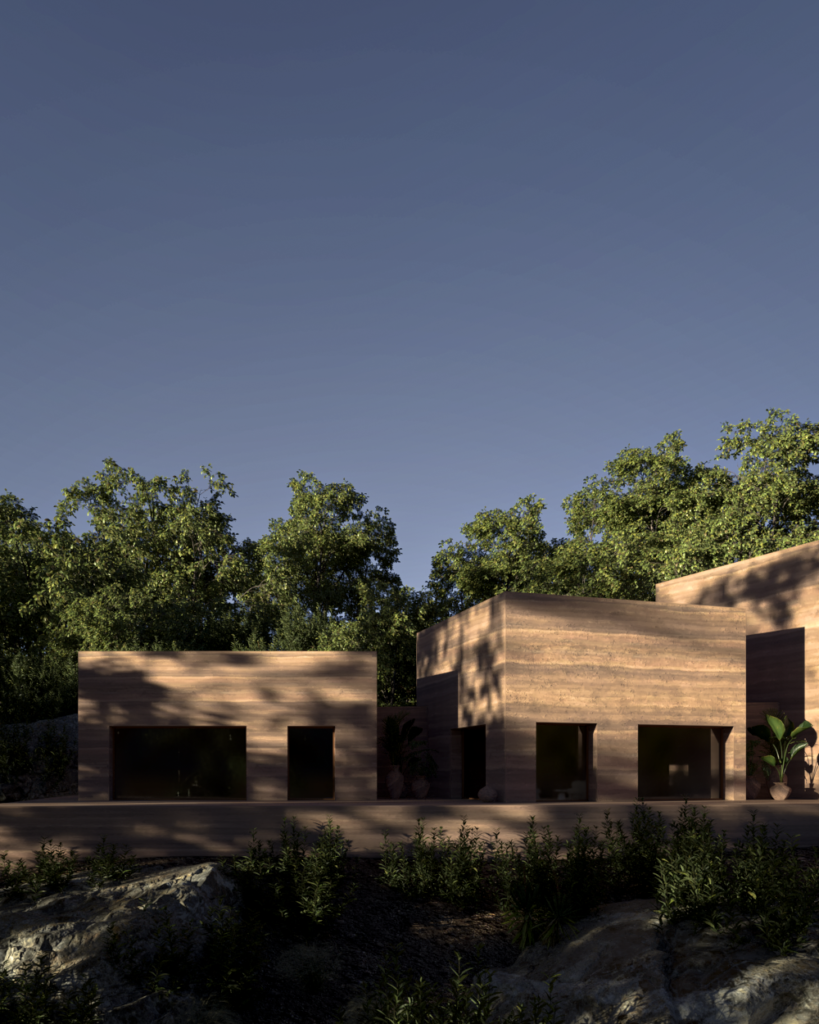
What gives Camel Cave Visitors Center its cultural depth is the way it engages with vernacular rural architecture without reducing it to a visual reference. The project does not imitate the past in a literal way. Instead, it studies the spatial intelligence of regional building traditions and reworks that logic into a contemporary architectural language.
This is most evident in the decision to break the program into multiple volumes. Their varied heights, measured proportions, and clustered arrangement recall the way traditional settlements often grow in direct conversation with land, climate, and use. The result is a composition that feels familiar in spirit, yet fully grounded in the present.
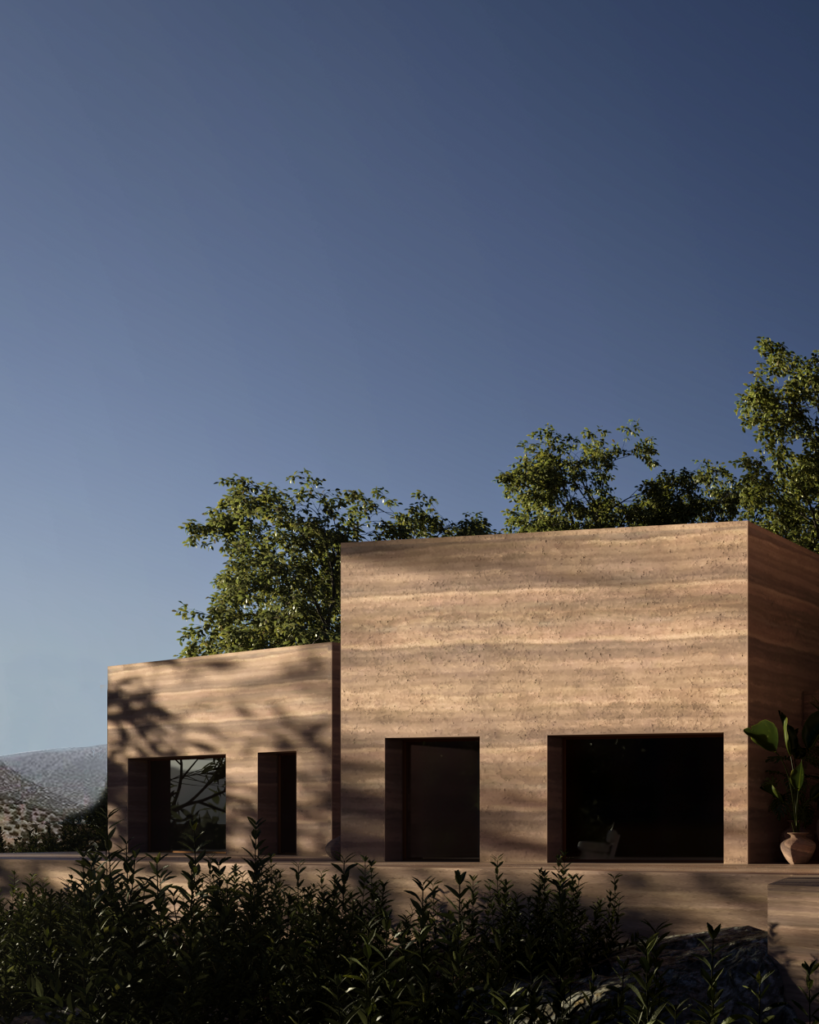
That balance is not easy to achieve. Too often, projects that borrow from vernacular architecture become overly nostalgic or decorative. Camel Cave Visitors Center avoids that trap by focusing on structure, placement, and massing rather than stylistic mimicry. Its rooted character comes from architectural reasoning, not superficial resemblance.
The fragmented ensemble also strengthens the project’s human scale. Instead of confronting the visitor with one oversized gesture, the building unfolds through a sequence of connected forms. This creates a more approachable and legible visitor center architecture, one that feels closer to a lived settlement than to an isolated institutional object.
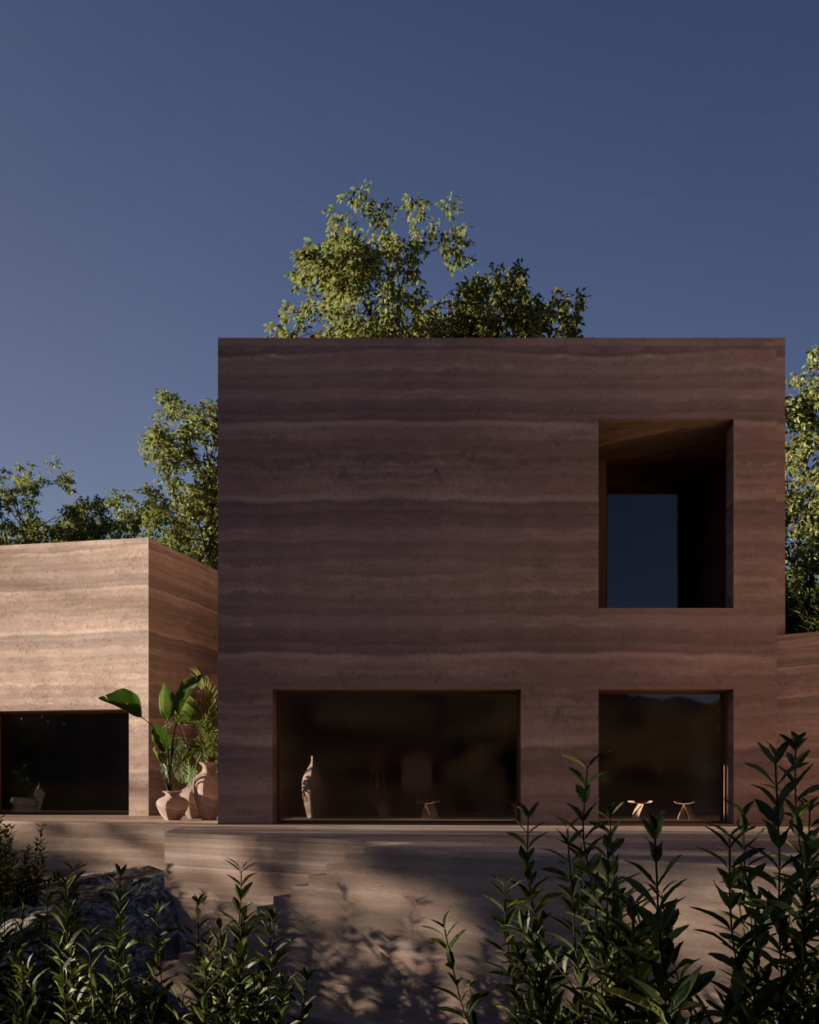
There is also a certain discipline in the way the forms are composed. Openings are restrained, surfaces remain materially honest, and the geometry stays clear and purposeful. That restraint allows the architecture to carry memory without becoming sentimental. It is contemporary vernacular architecture at its most convincing: respectful of context, aware of heritage, and unafraid to remain quiet.
In this sense, Camel Cave Visitors Center becomes more than a building placed in the Berkane Mountains. It becomes an architectural interpretation of how regional identity can still inform design today. The project reminds us that vernacular intelligence is not something to replicate image by image, but something to translate thoughtfully into new spatial conditions.
Material Honesty: Rammed Earth, Wood, and the Weight of Place
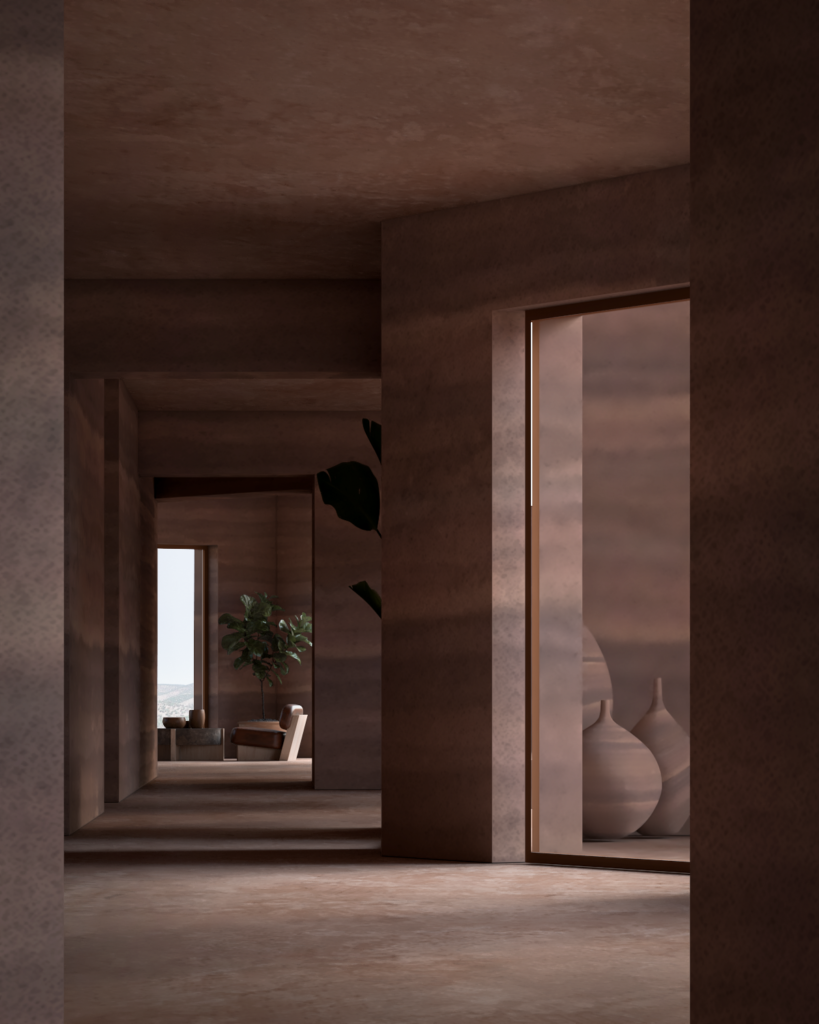
Materiality is where Camel Cave Visitors Center becomes especially convincing. The project does not treat materials as a finishing layer applied after the architectural idea is resolved. Here, material is part of the idea itself. Rammed earth and wood are not simply aesthetic choices; they are what allow the building to feel rooted, durable, and inseparable from its setting in the Berkane Mountains.
The use of rammed earth architecture is particularly significant. It gives the project a physical gravity that suits the mountainous terrain, while also reinforcing a strong connection to local building traditions. The walls carry a sense of permanence, but they never feel heavy-handed. Instead, they register as calm, tactile, and deeply anchored to place.
What makes this material strategy so effective is its honesty. The building does not hide behind excessive cladding, polished spectacle, or fashionable surface treatment. Its architectural expression comes from the directness of its construction logic. You understand the project not only by looking at it, but by sensing how it is made.
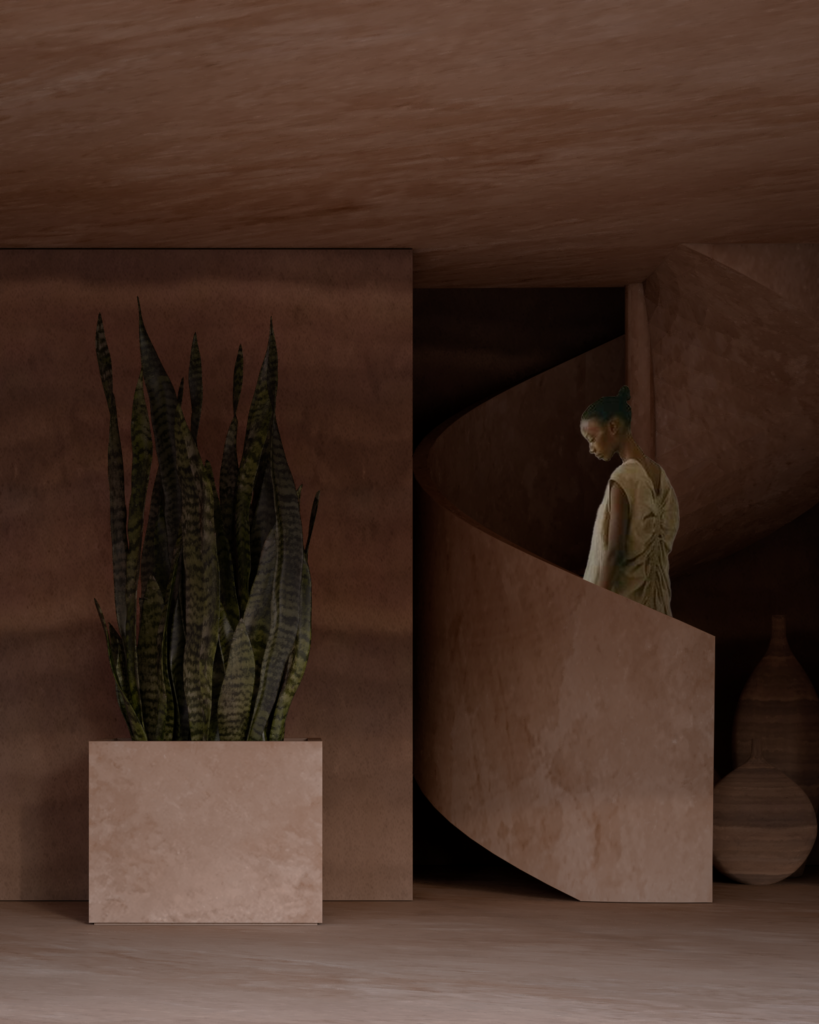
Wood plays an equally important supporting role. Against the density of rammed earth, it introduces warmth, softness, and human scale. This balance prevents the architecture from becoming too austere. It allows the visitor center to remain grounded while still feeling welcoming, which is essential for a space intended for both public engagement and research-oriented use.
There is also a clear sustainability argument embedded in these choices. By prioritizing locally sourced materials and traditional construction methods, Camel Cave Visitors Center reduces environmental impact while strengthening material relevance. This is sustainable architecture in a meaningful sense, not as a label, but as a design approach rooted in resource awareness, longevity, and climatic intelligence.
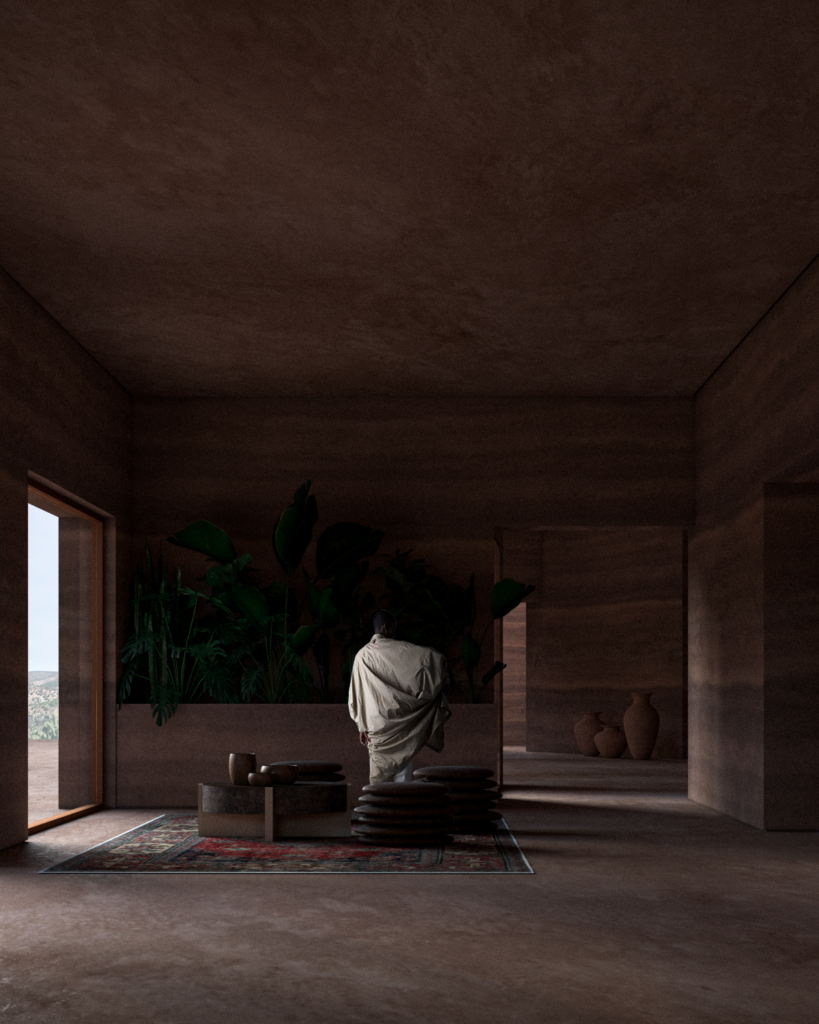
Just as importantly, these materials reinforce the emotional experience of the building. The earthy surfaces, restrained textures, and natural tonal range create an atmosphere that feels steady and contemplative. In a project so closely tied to landscape-integrated architecture, that matters enormously. The materials do not distract from the site; they deepen the visitor’s awareness of it.
This is why the project’s palette feels so resolved. Rammed earth gives Camel Cave Visitors Center its weight and identity, while wood introduces warmth and intimacy. Together, they produce an architecture that feels environmentally responsible, culturally responsive, and materially authentic from every angle.
Interiors That Frame Light, Silence, and Horizon
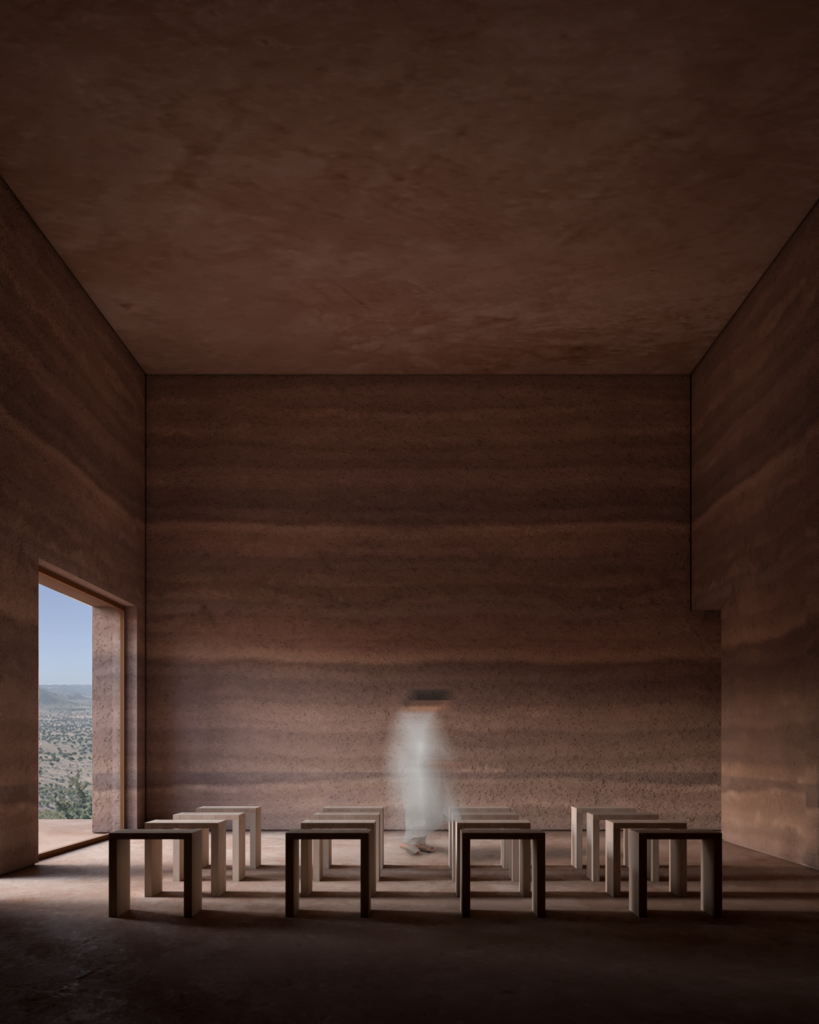
If the exterior of Camel Cave Visitors Center establishes a rooted relationship with the Berkane Mountains, the interior deepens that relationship in a more intimate way. These spaces are not conceived as sealed rooms separated from the site. They are shaped as calm, open environments that continuously return the eye to light, distance, and landscape.
That is what makes the interior architecture so effective. It does not rely on excess, ornament, or visual noise to create atmosphere. Instead, it uses proportion, restraint, and carefully framed openings to make the surrounding terrain feel constantly present. The result is an immersive spatial experience in which the horizon becomes part of the room itself.
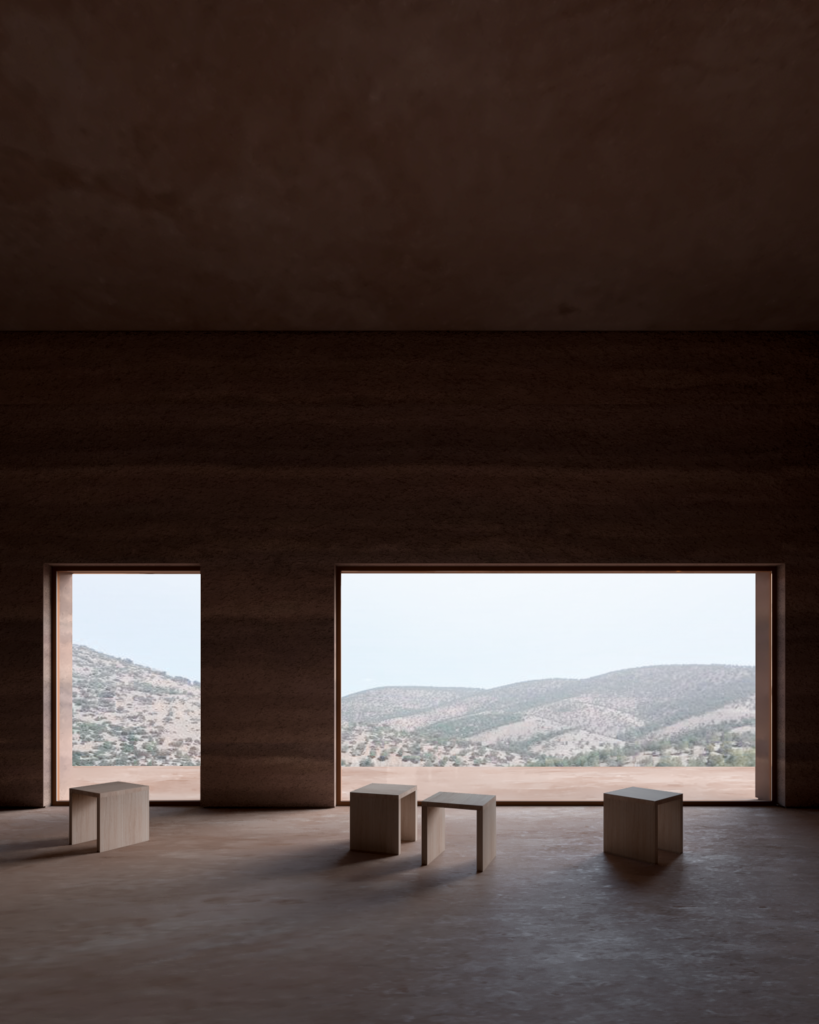
Natural light plays a major role in this experience. It enters softly, settles across earthy surfaces, and gives the interiors a quiet rhythm that changes with the day. Rather than overpowering the rooms, light is moderated and directed, allowing the architecture to feel contemplative instead of dramatic. This is where Camel Cave Visitors Center shows real maturity: it understands that calm can be just as powerful as spectacle.
The openings are especially important because they do more than provide views. They act as spatial instruments. Each framed aperture establishes a deliberate relationship between inside and outside, between enclosure and release. In some moments, the landscape is presented as a wide panorama. In others, it is edited into a more focused visual encounter. That variation keeps the interior sequence engaging while preserving the project’s overall sense of quiet discipline.
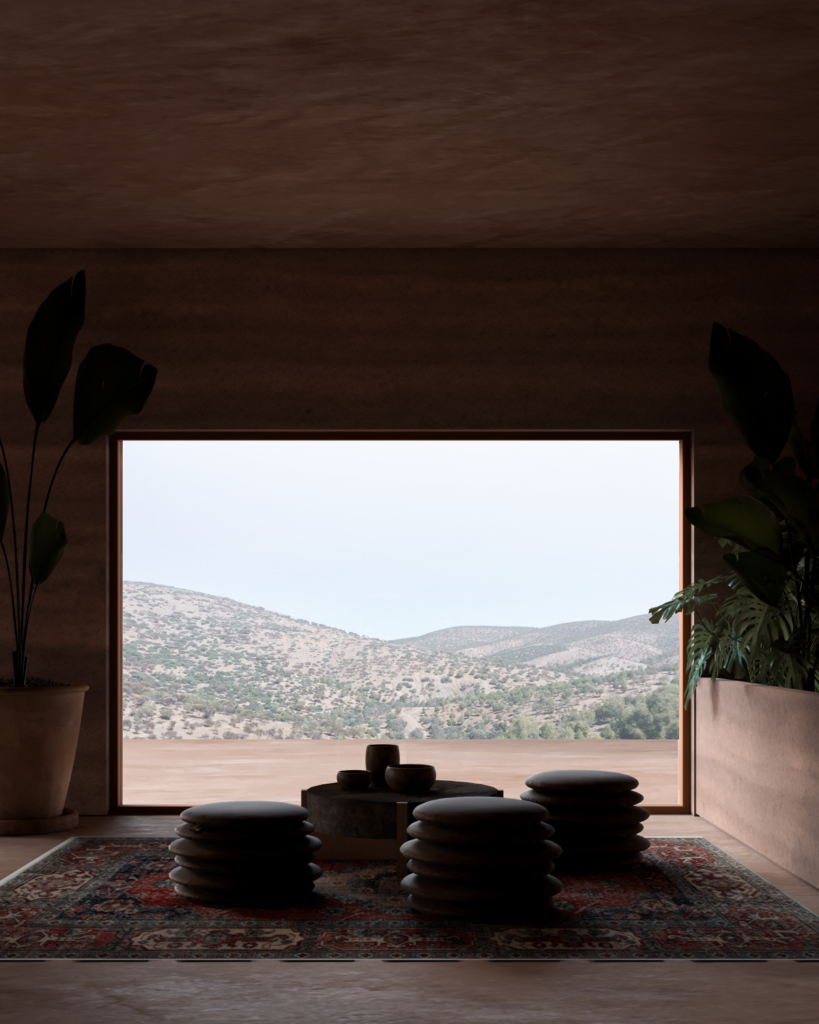
There is also a strong emotional intelligence in the way these interiors are composed. Seating remains low, materials stay warm, and the visual language remains consistent with the architecture’s rooted material identity. Nothing feels detached from the larger concept. Every interior gesture seems to reinforce the same idea: that the building is meant to heighten awareness of place rather than distract from it.
This approach is particularly valuable in a visitor center architecture project, where interior spaces often risk becoming generic or overly functional. Camel Cave Visitors Center avoids that completely. Its rooms invite pause, observation, and reflection. They make the visitor aware not only of the mountain setting outside, but also of the quality of light, silence, and proportion within.
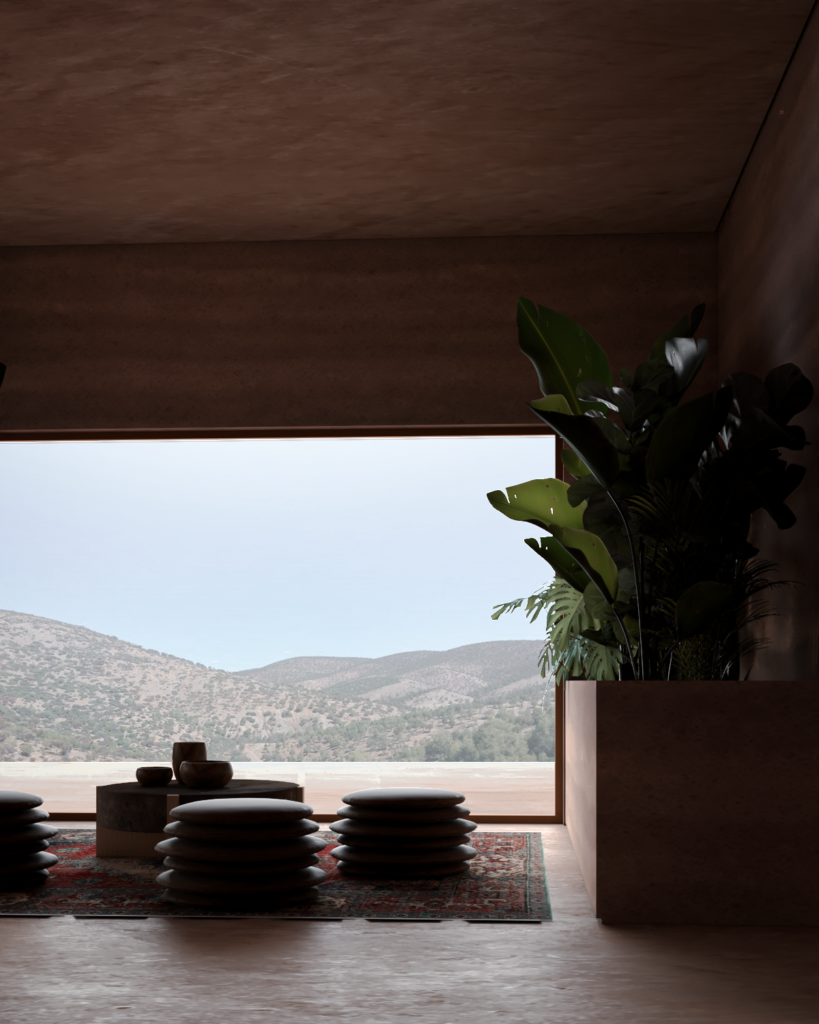
What emerges is an interior world that feels both protective and open. The architecture shelters the user, yet never cuts them off from the Berkane landscape. That balance is difficult to achieve, and it is one of the reasons this project feels so resolved. The interiors do not compete with the exterior concept. They extend it with clarity, sensitivity, and remarkable spatial control.
Spaces for Reflection, Learning, and Cultural Exchange
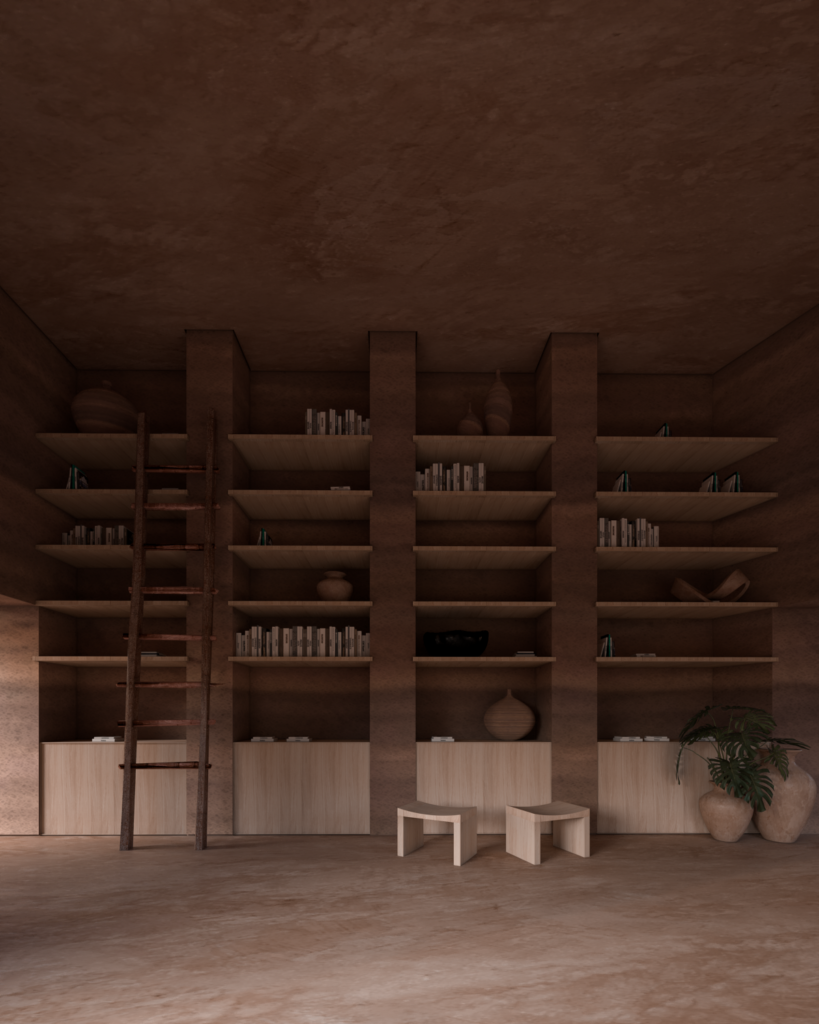
What strengthens Camel Cave Visitors Center even further is that it is not designed only as a place to pass through. It is conceived as a setting for pause, reading, conversation, and shared discovery. That gives the project a deeper social and cultural purpose, allowing the architecture to support not just movement, but meaningful engagement. Also read, Superstar Vacation Homes: The Ultimate Architectural Escape Between Reality and Fantasy
This intention is especially important in a visitor center set within a landscape as powerful as the Berkane Mountains. A project like this must do more than offer shelter or orientation. It must help people slow down, observe more carefully, and connect what they see in the environment with what they learn inside the building. Camel Cave Visitors Center does that with quiet confidence.
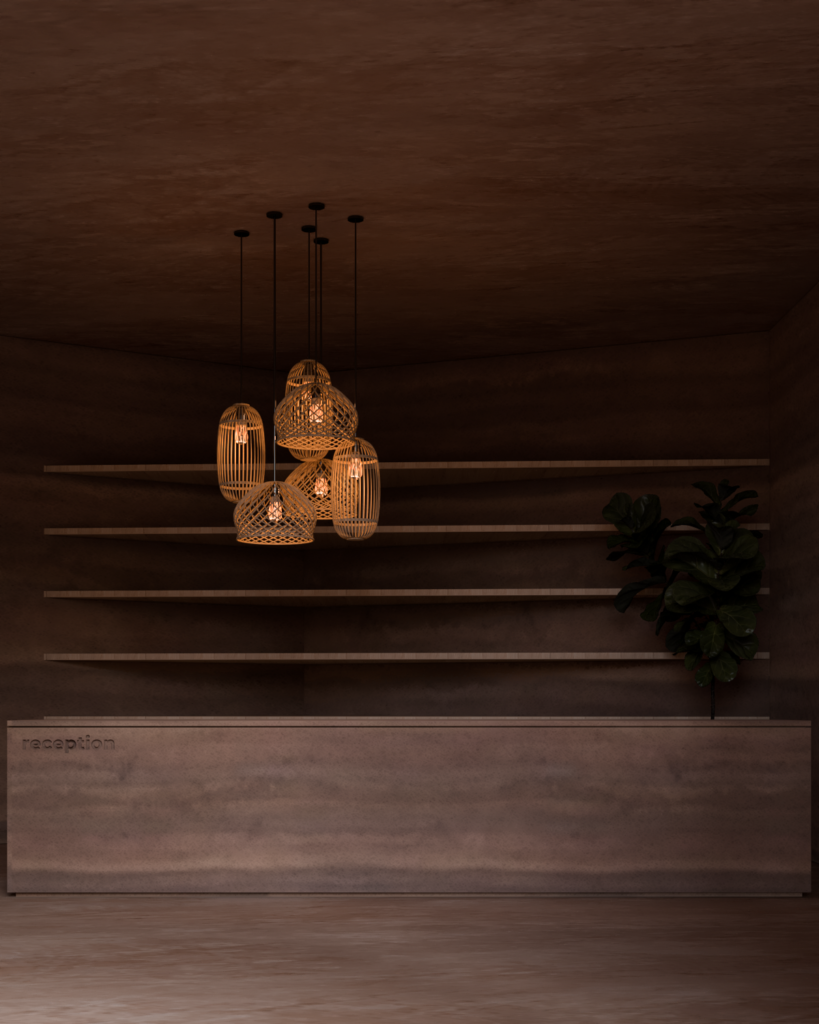
The interior planning supports this beautifully. Spaces feel open enough to encourage exchange, yet composed enough to preserve a sense of calm. There is room for individual reflection, but also for collective experience. That balance makes the architecture feel generous. It can welcome a casual visitor, a researcher, or a student without losing its spatial clarity.
Furniture, shelving, counters, and shared seating areas are integrated in a way that reinforces this idea of gentle interaction. Nothing feels overly formal or institutional. Instead, the atmosphere remains warm, grounded, and accessible. This is where the project’s rooted architectural language proves especially effective: it creates a sense of ease that invites people to stay, read, discuss, and absorb.
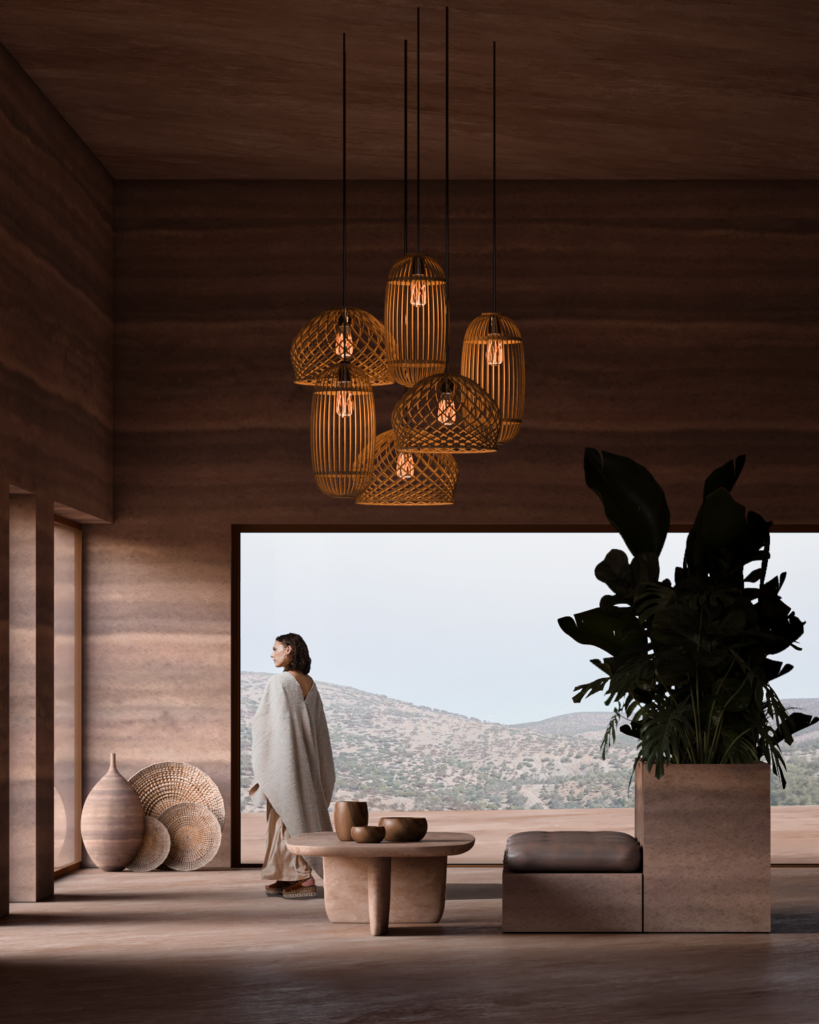
There is also an educational intelligence in the way the visitor center is imagined. By bringing visitors and researchers into a shared architectural framework, the project turns space itself into a medium of exchange. Knowledge is not isolated in one zone and experience in another. The two are allowed to overlap, which makes the building feel more alive and more relevant. Also read, How to Mix Modern and Traditional Design Elements: A Timeless Approach to Interiors
That overlap matters because it expands the role of visitor center architecture. Camel Cave Visitors Center is not simply presenting a site; it is helping interpret it. Through its spatial sequence, atmosphere, and program, it becomes a catalyst for cultural transmission and environmental awareness. The architecture encourages people to look outward at the landscape, but also inward at the values embedded in place, craft, and memory.
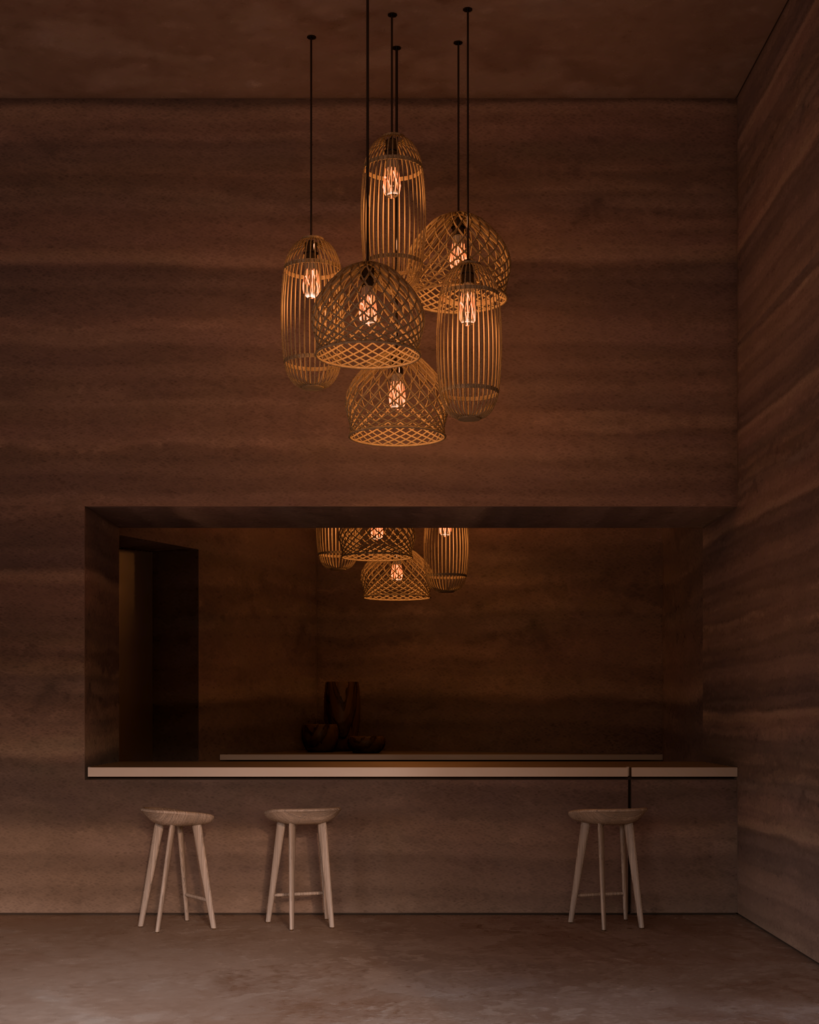
In that sense, the project succeeds on more than an aesthetic level. It creates a rooted environment for learning and reflection, where architecture becomes a quiet host for thought, exchange, and discovery. That is what makes Camel Cave Visitors Center feel enduring. It is not only shaped by its context; it actively helps people understand it.
A Building Designed for Researchers and Visitors Alike
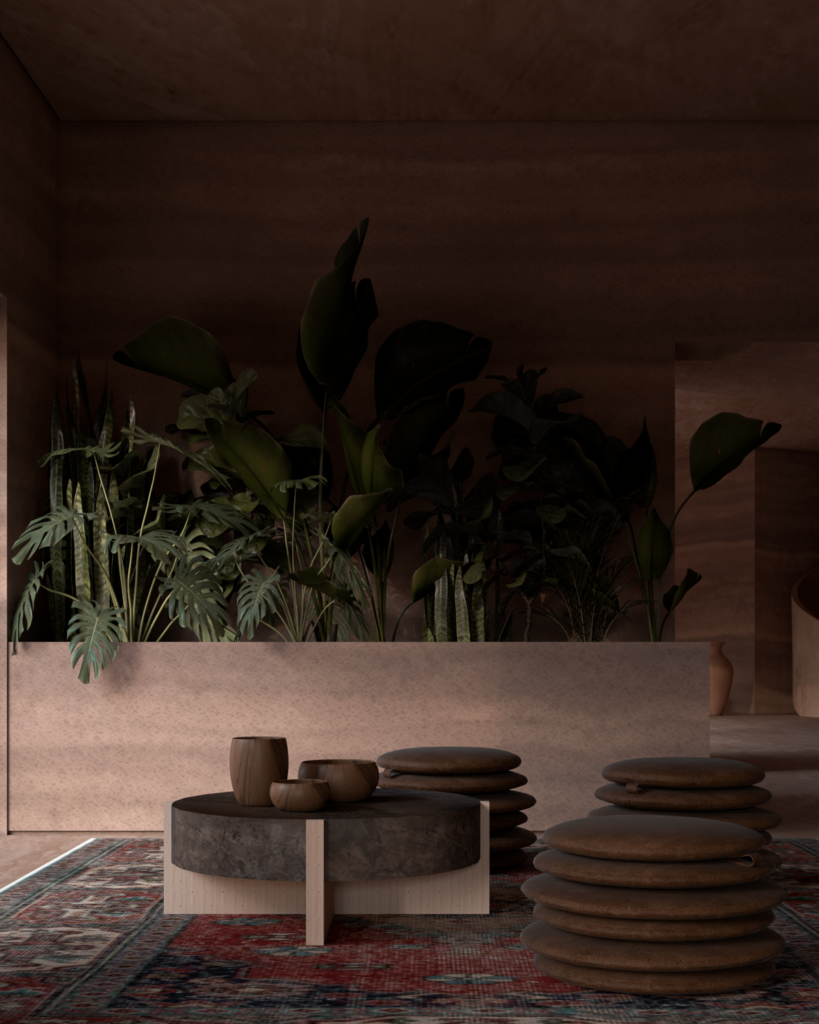
What makes Camel Cave Visitors Center especially relevant today is the way it accommodates different modes of engagement without losing architectural coherence. This is not a building designed only for arrival, nor only for observation. It is structured to receive visitors with ease while also supporting the slower, more focused needs of research and study.
That dual role could easily have produced a rigid or over-zoned plan. Instead, the project feels fluid and balanced. Spaces appear to move naturally between public presence and quieter concentration, allowing the building to serve multiple users without fragmenting the experience. This is where the architecture shows real intelligence: it understands that shared use does not have to mean spatial compromise.
For visitors, the center offers orientation, pause, and an immediate connection to the Berkane landscape. For researchers, it provides the calm, clarity, and continuity needed for reflection and sustained engagement. The success of Camel Cave Visitors Center lies in the fact that neither of these groups feels secondary. Both are given spatial dignity within the same rooted architectural framework.
This shared condition also enriches the meaning of the building itself. When visitors and researchers inhabit related spaces, the project becomes more than a service facility. It becomes a place of exchange, where observation, knowledge, and cultural awareness can intersect. That gives the visitor center a broader civic and educational value.
Architecturally, this is achieved through careful spatial hierarchy. More open and welcoming zones create accessibility, while quieter rooms and more contained areas allow for focus and retreat. The transitions between them feel measured rather than abrupt, which helps the entire building maintain a calm, legible rhythm. That sense of continuity is crucial in a project where experience matters as much as function.
There is also something important in the atmosphere created by this arrangement. The project never becomes overly institutional, despite its research-oriented program. It remains warm, tactile, and approachable. That balance ensures that Camel Cave Visitors Center feels inclusive to a first-time visitor, yet substantial enough to support deeper intellectual use.
In many ways, this is where the project’s rooted quality becomes most complete. It is not only rooted in material, landscape, and vernacular memory, but also in purpose. The building responds to a real cultural and environmental context by creating space for encounter, learning, and reflection. That makes it an architecture of use in the fullest sense.
Reading Camel Cave Visitors Center Through Plan and Section
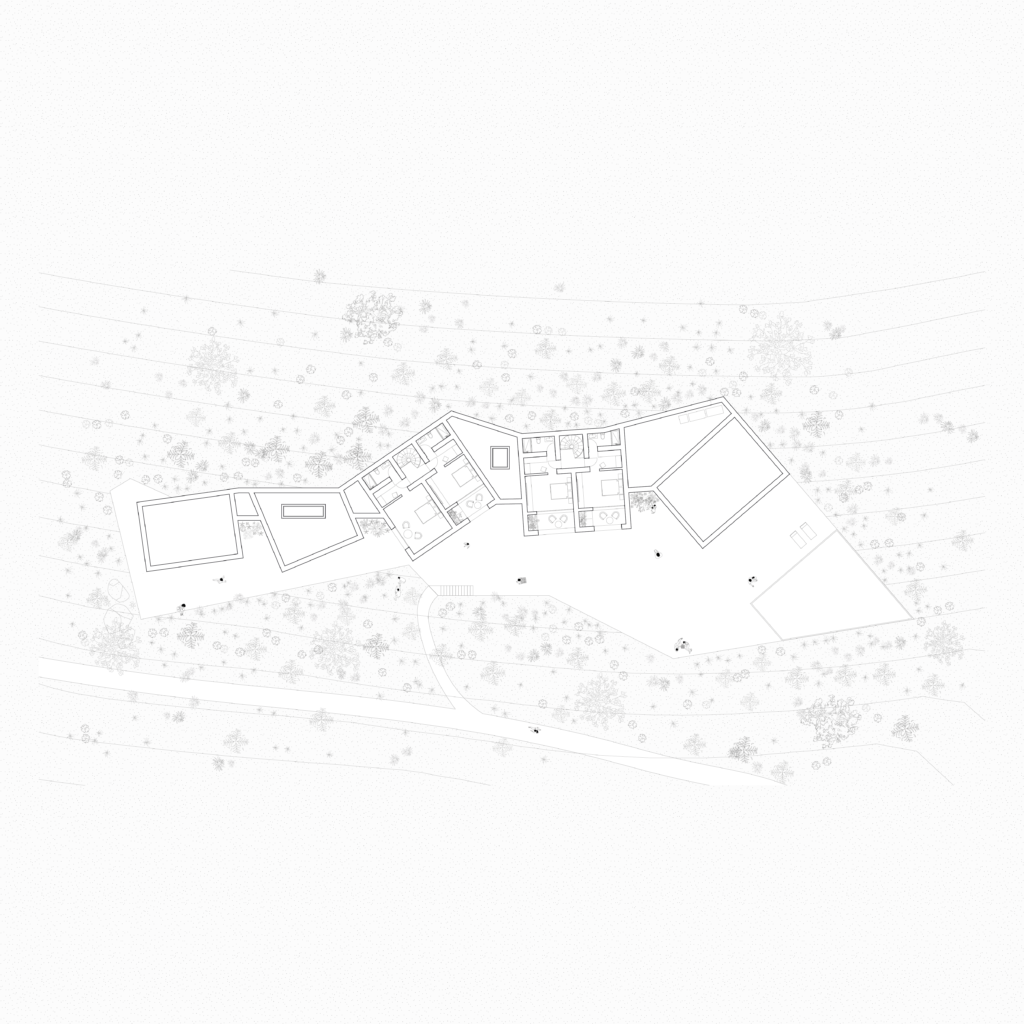
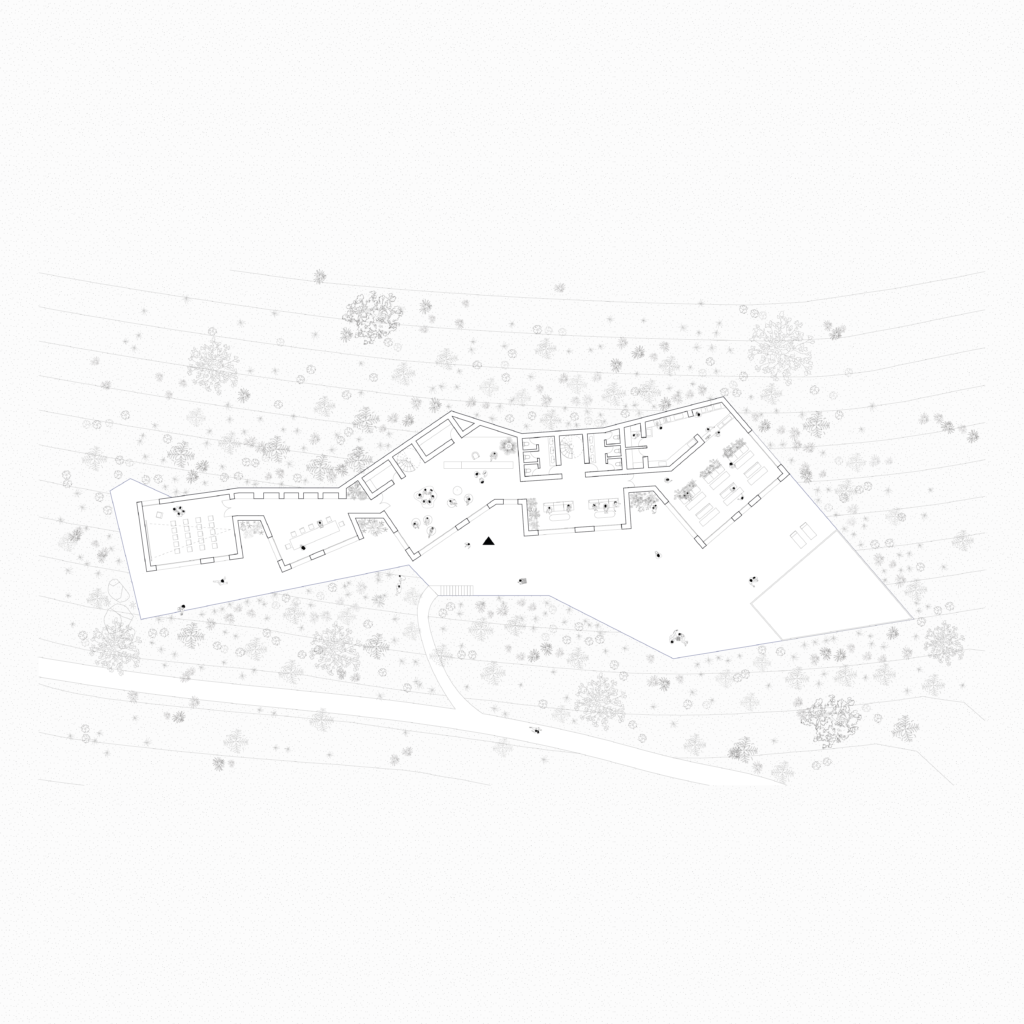
The drawings of Camel Cave Visitors Center reveal just how carefully the project has been composed. What feels calm and effortless in photographs is, in plan and section, shown to be the result of disciplined architectural decisions. The arrangement of volumes, the placement of openings, and the relation between enclosed rooms and open terraces all point to a design process rooted in clarity rather than excess.
In plan, the project reads as a coordinated ensemble rather than a single uninterrupted block. This is important because it confirms what the exterior already suggests: the architecture is intentionally broken down to work with the terrain, human scale, and programmatic diversity. The fragmented layout allows Camel Cave Visitors Center to accommodate shared spaces, quieter zones, and circulation paths without losing coherence.
The plans also show how movement through the building has been carefully considered. Circulation is not treated as leftover space between rooms. It becomes part of the experience of the project, guiding the visitor through moments of compression, release, framed views, and material transition. That is one of the reasons the building feels so rooted in experience rather than only in image.
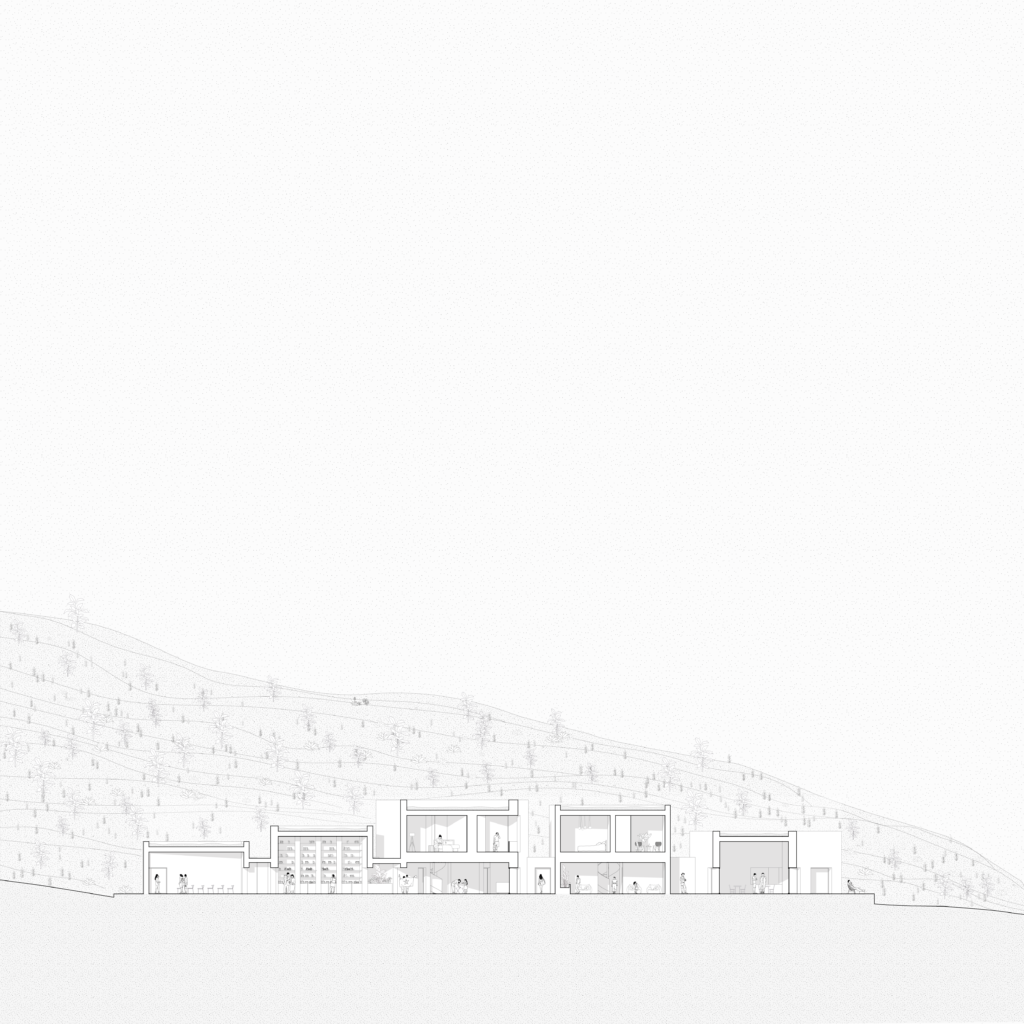
The section deepens this reading even further. It reveals how the architecture negotiates height, enclosure, and openness across the site. Differences in volume are not arbitrary formal gestures; they help shape light, interior proportion, and the building’s relationship with the slope of the land. Through section, Camel Cave Visitors Center can be understood not simply as an object placed on the terrain, but as an architecture calibrated to it.
This is also where the project’s environmental intelligence becomes more legible. The section makes clear how openings are positioned to frame the landscape, bring in natural light, and maintain a strong dialogue between inside and outside. In that sense, the drawings confirm the project’s larger architectural ambition: to create a visitor center architecture that is spatially immersive, contextually responsive, and materially grounded.
For architecture enthusiasts and researchers, these drawings are especially valuable because they translate atmosphere into logic. They show that the quiet power of Camel Cave Visitors Center does not come from visual drama alone. It comes from proportion, organization, and a precise understanding of how architecture can mediate between people, program, and the Berkane landscape.
All images are © Nassereddine Chaib.
The author hereby grants permission to the editorial team to reproduce, publish, distribute, and use the submitted images in any format or medium, including print and digital platforms, for editorial, promotional, and archival purposes. This authorization is provided without territorial or temporal limitation and includes the right to adapt or modify the material where necessary, while ensuring appropriate credit is maintained.