

Located in Tokyo’s famous Ginza district, this store is not just a place to shop. It is a sculptural landmark, a design destination, and a carefully curated luxury environment.
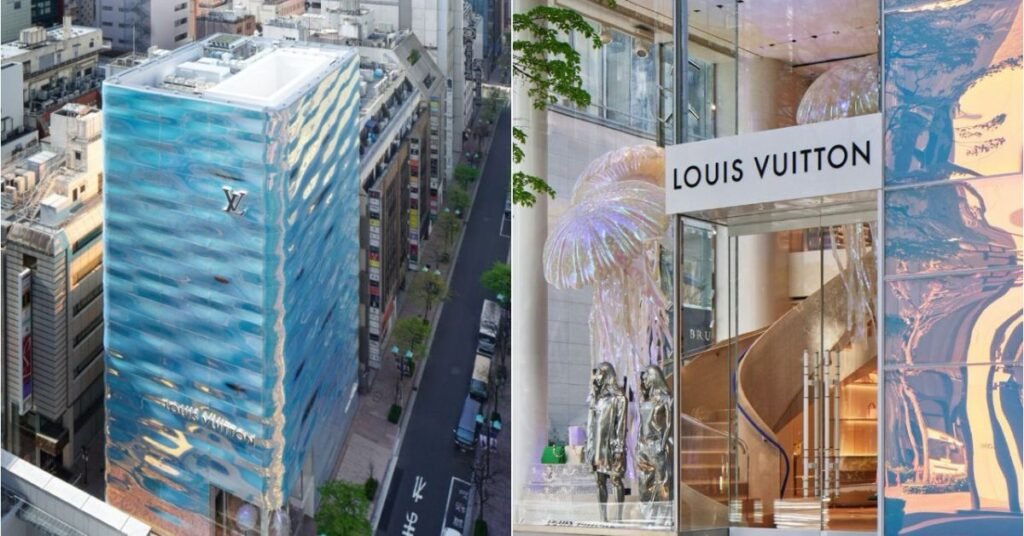
Luxury shopping is no longer only about products. Today, the world’s most powerful fashion houses use architecture and interiors through retail design to create memorable brand experiences. Among the many global Louis Vuitton boutiques, the Ginza Namiki flagship in Tokyo stands out as one of the most iconic examples of retail design.
Located in Tokyo’s famous Ginza district, this store is not just a place to shop. It is a sculptural landmark, a design destination, and a carefully curated luxury environment. Its shimmering exterior, artistic interiors, hospitality spaces, and refined material palette show how architecture can transform a brand store into an unforgettable experience.
For architects and interior designers, the retail design store offers valuable lessons in facade treatment, customer journey, lighting, spatial flow, luxury detailing, and emotional branding.
Why Does Retail Design Make This Louis Vuitton Store Iconic?
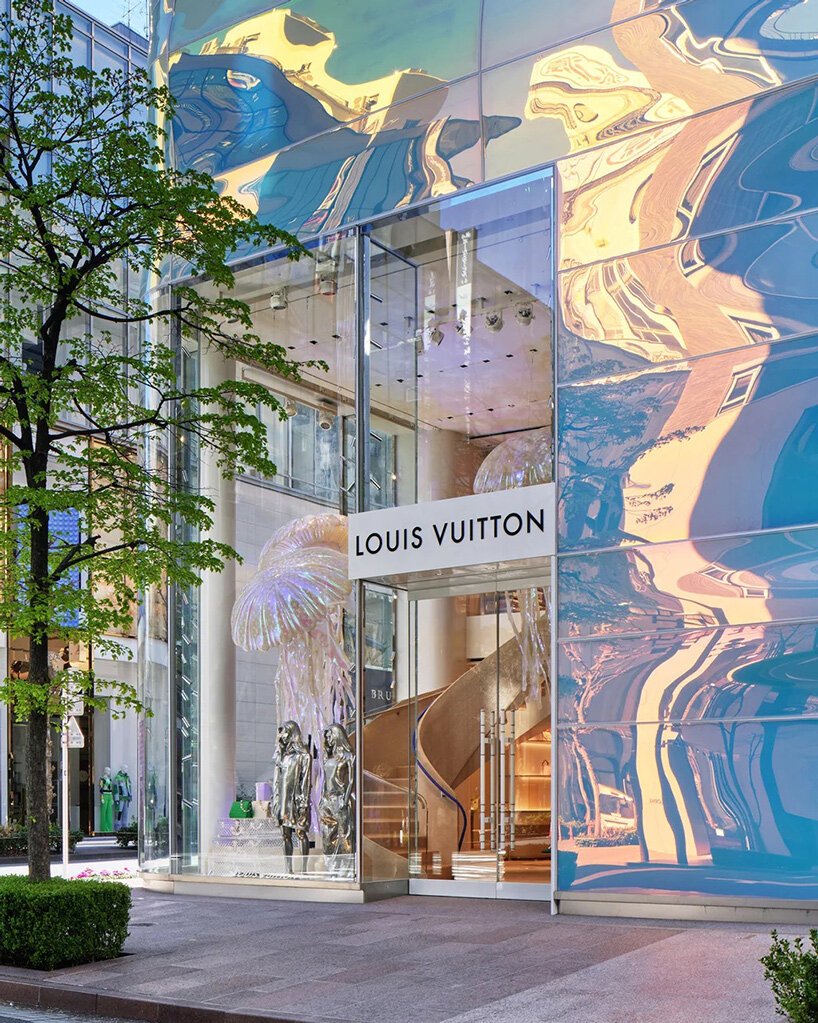
The Ginza Namiki flagship shows how a luxury store can become part of a city’s visual identity. Instead of using a simple glass box or a standard commercial facade, the building creates a powerful first impression through its fluid, reflective surface.
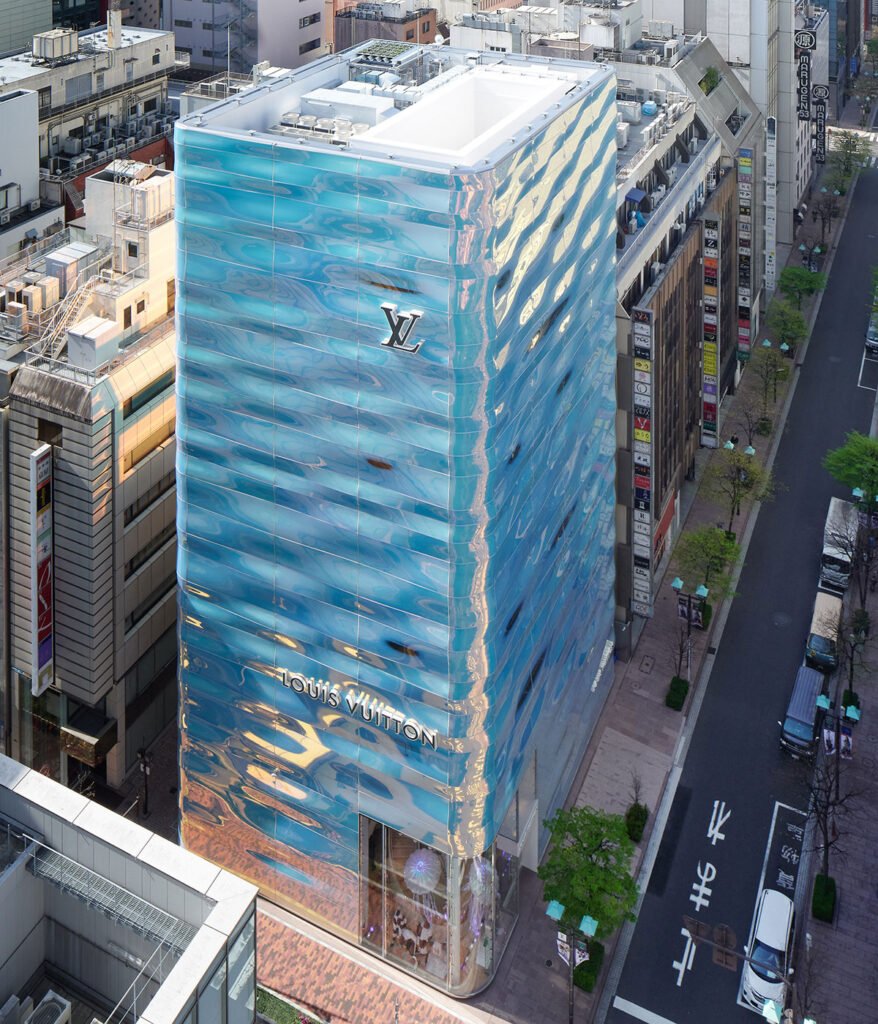
The exterior is inspired by the movement of water, giving the structure a soft, wave-like appearance. This makes the building feel alive, especially as light changes throughout the day. In a dense shopping district like Ginza, such a facade helps the store stand apart while still feeling elegant and refined.
This is where retail design becomes more than decoration. It becomes a storytelling tool that connects the brand’s travel heritage, craftsmanship, and luxury identity with the rhythm of the city.
The Architecture Behind the Louis Vuitton Ginza Namiki Store
The store was redesigned by Japanese architect Jun Aoki, with interiors by Peter Marino. The result is a seven-floor luxury retail design environment that feels artistic, polished, and immersive.
The building’s facade is its most recognisable feature. It appears almost like a curtain of water, using glass and reflective materials to create depth, movement, and softness. This idea connects beautifully with Ginza’s historic relationship with water and Tokyo’s changing urban landscape.
From an architectural perspective, the store proves that a flagship building must do more than display products. It must attract attention, express brand values, and create a memorable city moment.

Retail Design Lessons from the Facade
The facade is a masterclass in visual branding. It does not rely on heavy signage or loud colours. Instead, it uses form, texture, reflection, and light to create impact.
For designers, this is an important lesson. A luxury exterior should feel distinctive but not aggressive. It should invite curiosity while maintaining elegance. The Ginza Namiki store achieves this balance through its soft curves, luminous surface, and sculptural presence.
The facade also shows how material choice can influence emotion. Glass, reflection, and light create a feeling of movement, making the building appear different from every angle.
Interior Design: A Luxury Journey Across Seven Floors
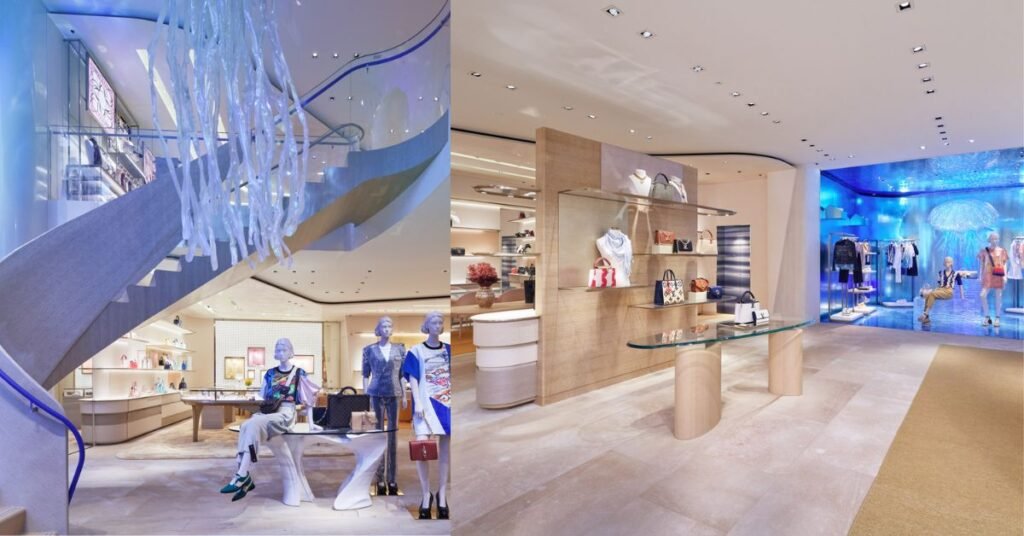
Inside, the store is designed as a layered luxury experience. Each floor offers a different part of the brand world, from fashion and leather goods to accessories, art, lifestyle, and hospitality.
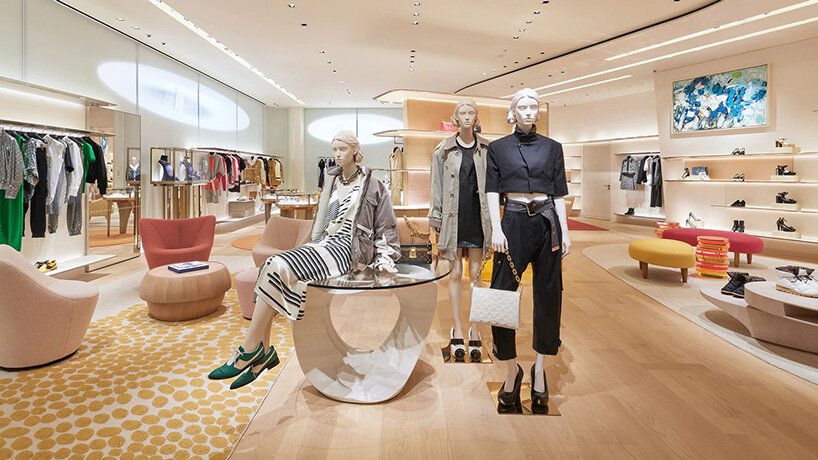
The interiors use warm textures, refined finishes, sculptural furniture, art pieces, and carefully controlled lighting. Instead of feeling like a regular shop, the space feels closer to a gallery or private design salon.
For interior designers, the store shows how luxury interiors depend on atmosphere. Materials, lighting, circulation, display height, furniture placement, and pause points all work together to guide the customer through the space.
How Retail Design Shapes the Customer Experience?
A strong flagship store is planned like a journey. The customer should feel welcomed, guided, inspired, and emotionally connected to the brand.
At Ginza Namiki, the movement through the store feels intentional. Visitors experience different zones, product displays, seating areas, art moments, and hospitality spaces. This layered planning encourages people to spend more time inside and experience the brand beyond shopping.
This is a key retail design lesson for modern luxury spaces. The best stores are not only transactional. They are experiential, emotional, and memorable.
Le Café V: Hospitality Inside a Luxury Store
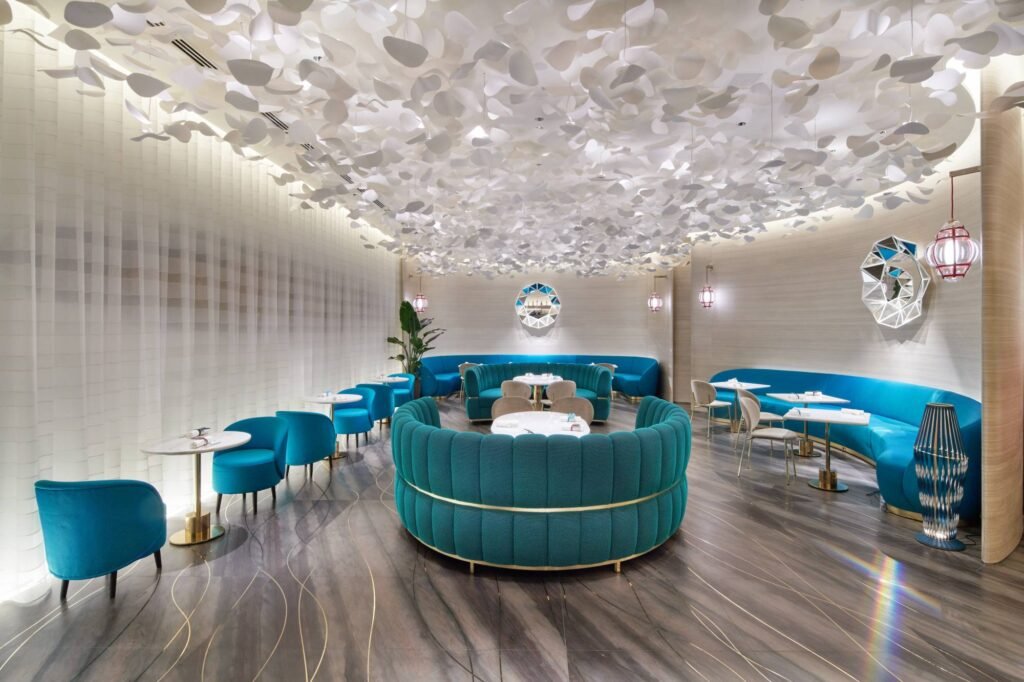
One of the most interesting features of the Ginza Namiki retail design is Le Café V on the seventh floor. This adds a hospitality layer to the retail experience and turns the store into a lifestyle destination.
A café inside a luxury flagship changes how visitors use the space. They do not simply enter, browse, and leave. They can pause, relax, meet, dine, and engage with the brand in a slower and more personal way.
For architects and interior designers, this shows how retail and hospitality are merging. Luxury stores are becoming hybrid spaces where shopping, art, dining, and culture exist together.
Material Palette and Interior Mood
The store’s interior mood is polished, artistic, and contemporary. The design uses a refined mix of textures, soft colours, elegant lighting, and curated furniture to create a calm yet luxurious environment.
Instead of overwhelming visitors with excessive ornamentation, the interiors focus on balance. Product displays are carefully spaced, furniture pieces feel sculptural, and the lighting highlights both merchandise and architectural detail.
This approach is useful for high-end interiors because it proves that luxury does not always need to be loud. It can be quiet, layered, and deeply controlled.
What Architects Can Learn from This Store?
Architects can learn several lessons from the Ginza Namiki flagship retail design. First, a commercial building can become a landmark when its facade is designed with imagination. Second, brand identity can be expressed through architecture without relying only on logos. Third, the building must respond to its location while still creating a unique presence.
The store also shows the importance of collaboration. Architecture, interiors, lighting, branding, product display, and hospitality planning all work together to create one complete experience.
What Interior Designers Can Learn from This Store?
Interior designers can study this store for its spatial flow, display planning, furniture selection, lighting strategy, and emotional atmosphere. The interiors feel luxurious because every detail supports the brand story.
A luxury space should never feel random. Seating, lighting, textures, art, wall finishes, flooring, and product displays should all work in harmony. This store proves that successful interiors are not just about beauty; they are about creating a controlled experience. To understand this relationship better, readers can also explore this guide on architecture vs interior design, which explains how building form and interior experience work together to create spaces that are both functional and emotionally engaging.
Why Does This Louis Vuitton Store Feels Relevant Today?
Modern customers expect more from luxury brands. They want storytelling, exclusivity, comfort, design, and a sense of discovery. The Ginza Namiki flagship responds to this shift by becoming more than a boutique.
It feels like a cultural landmark, a hospitality space, an artful interior, and a fashion destination at the same time. This makes it highly relevant for today’s architecture and interior design conversations.
As luxury retail continues to evolve, stores like this show how physical spaces can remain powerful in a digital world.
Final Thoughts on Retail Design and Luxury Architecture
The Louis Vuitton Ginza Namiki store is one of the finest examples of how architecture and interiors can elevate a brand experience. Its water-inspired facade, seven-floor layout, refined interiors, artistic atmosphere, and café concept make it more than a store.
For architects, it is a lesson in landmark-making. For interior designers, it is a lesson in luxury mood, material control, and customer journey. For brands, it is proof that physical spaces still matter when they are designed with imagination and purpose.
In the end, the store shows that great retail design is not only about selling products. It is about creating desire, memory, emotion, and a lasting connection between people, place, and brand.