
Explore Hong Kong Disneyland through theme design, architecture, interiors, storytelling, landscape planning, guest experience, and immersive spatial design.
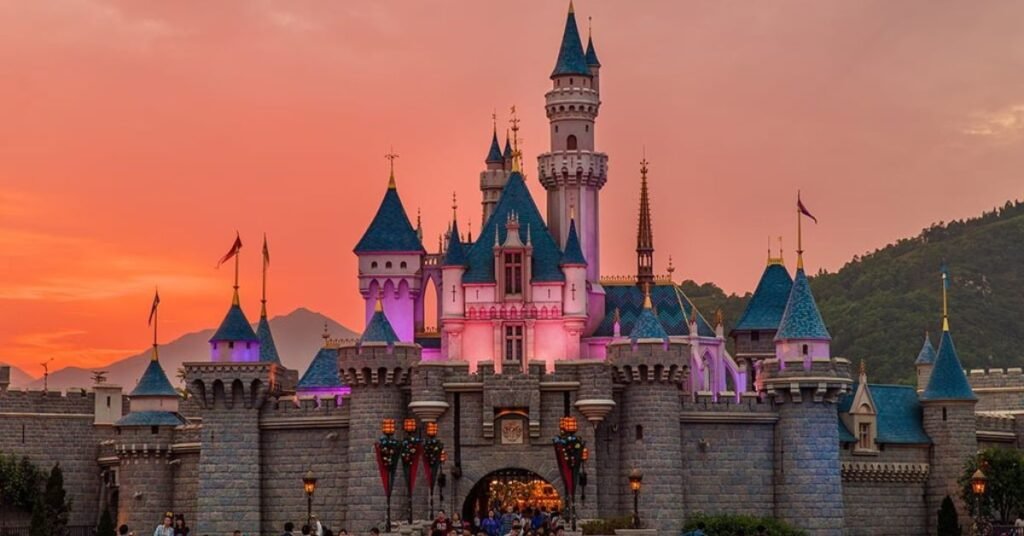
Hong Kong is known for its dramatic skyline, dense urban fabric, mountain views, waterfront developments, and global theme design culture. But beyond its towers and city streets, Hong Kong Disneyland stands out as one of the region’s most iconic tourist places where architecture becomes storytelling.
Located on Lantau Island, this destination is not just an amusement park. It is a carefully planned world of fantasy, movement, landscape, colour, interiors, technology, and emotional design. Every gateway, castle, street, ride, restaurant, and themed zone is created to guide visitors into a different story.
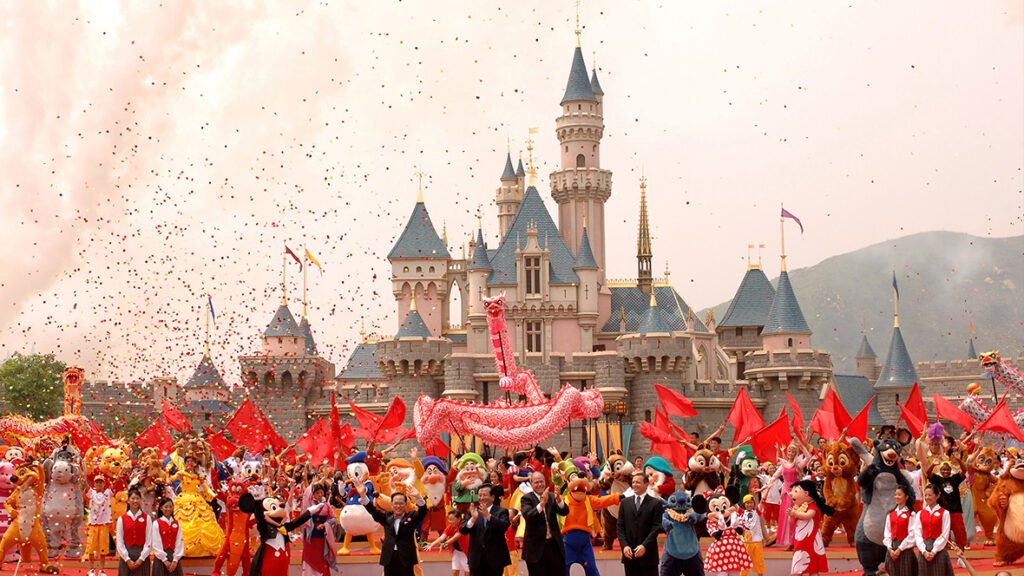
For architecture and interior design readers, Hong Kong Disneyland is especially interesting because it shows how built spaces can create memory. Opened on September 12, 2005, the resort was developed through a partnership between The Walt Disney Company and the Hong Kong SAR Government, with Walt Disney Imagineering shaping its themed environments and guest experience. It proves that design is not only about structure or decoration. It is also about experience, atmosphere, circulation, scale, and emotional connection.
Why Does Theme Design Make Hong Kong Disneyland So Iconic?
Theme design is the main reason this destination feels different from a regular tourist attraction. The park is planned as a sequence of immersive environments, where each land has its own mood, materials, facades, sound, lighting, colours, landscaping, and spatial rhythm.
Visitors do not simply walk from one ride to another. They move through designed worlds. A street can feel nostalgic, a castle can feel symbolic, a jungle zone can feel adventurous, and a fantasy land can feel dreamlike.
This is where architecture becomes a powerful storytelling tool. The buildings are not only functional. They are designed to support emotion, imagination, and movement.
The Architecture Behind the Disneyland Experience
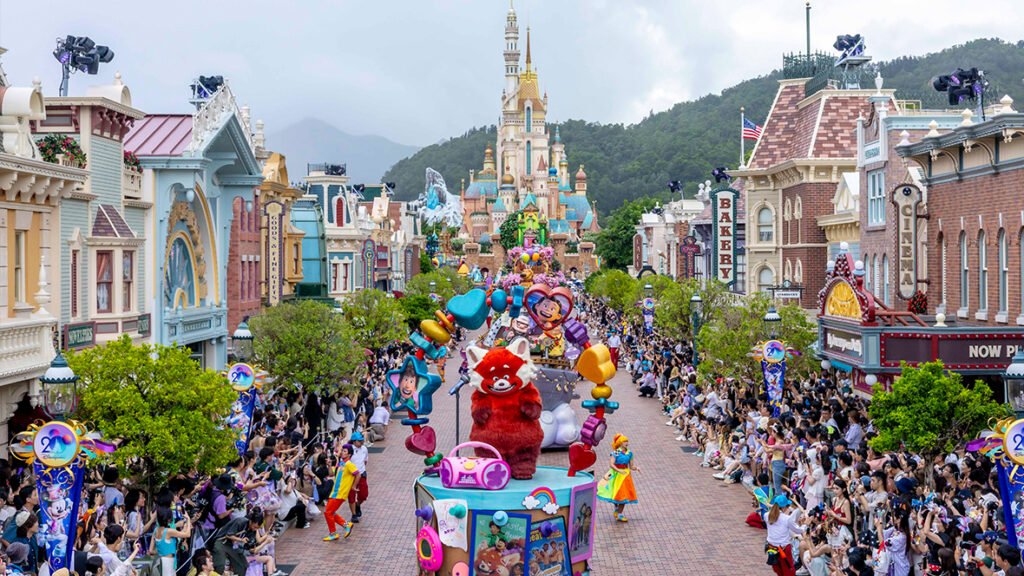
The architectural language of Hong Kong Disneyland is built around fantasy, familiarity, and discovery. The park uses scale, detail, colour, material textures, and carefully framed views to make visitors feel part of a story.
Unlike typical city architecture, where efficiency often comes first, this kind of architecture focuses on wonder. Rooflines, windows, towers, bridges, pathways, facades, and interiors are designed to feel cinematic.
For architects, this is an important lesson. A place becomes memorable when every detail supports the larger experience. Even small design elements such as lamp posts, paving patterns, signage, railings, seating, and planting can influence how visitors feel.
Castle of Magical Dreams: A Landmark of Theme Design
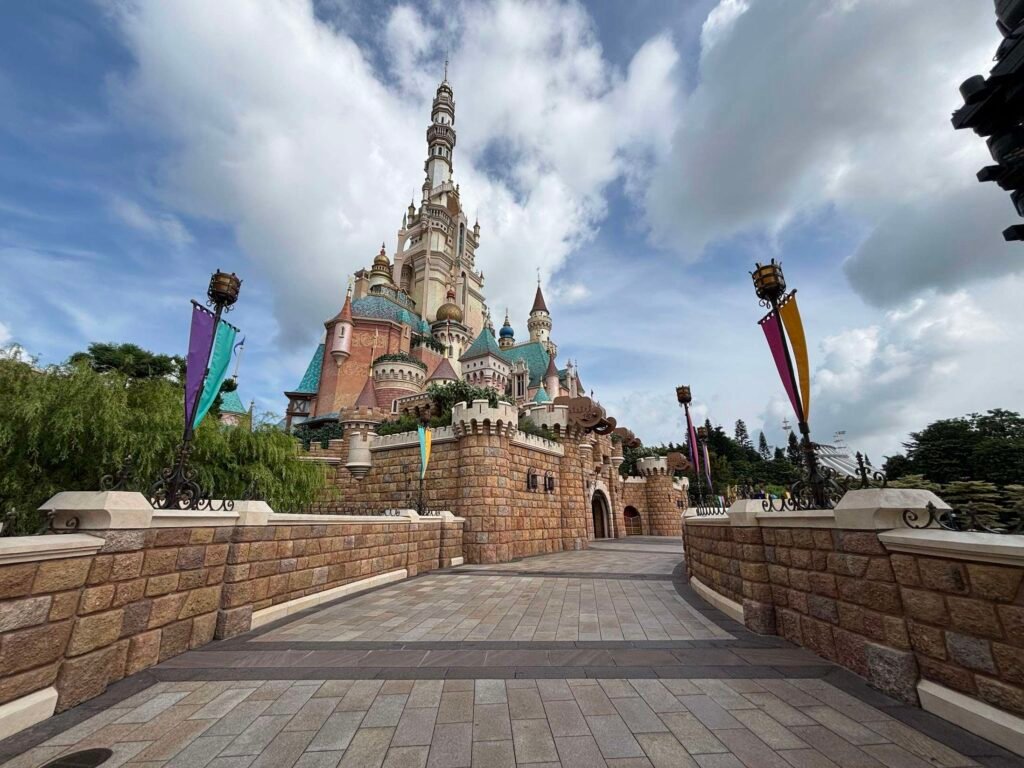
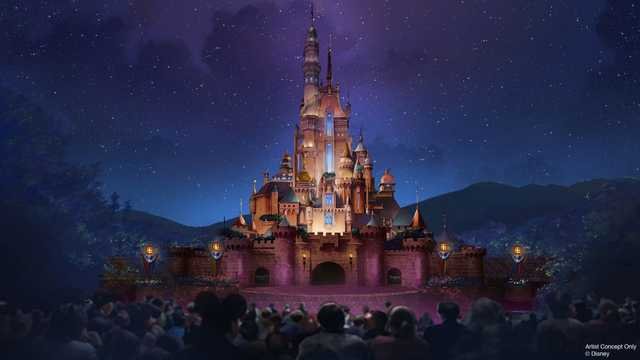
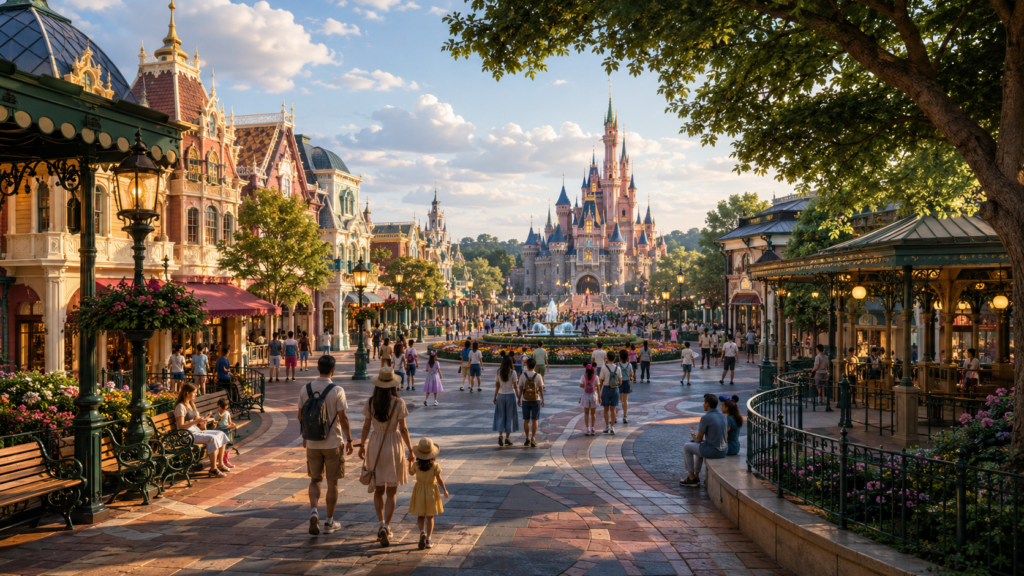
One of the most important architectural features of the park is the Castle of Magical Dreams. It is more than a visual centerpiece. It is a symbol of courage, hope, imagination, and possibility.
The castle is designed with multiple towers, textures, colours, patterns, and details inspired by different Disney princesses and queens. This makes the structure visually layered instead of uniform. From a design point of view, it works like a collection of stories brought together into one vertical landmark.
Its position also matters. The castle creates a strong focal point, helping visitors orient themselves inside the park while also offering a memorable photo backdrop. This is a classic example of how a landmark can support both wayfinding and emotional identity.
World of Frozen: Immersive Architecture and Storytelling
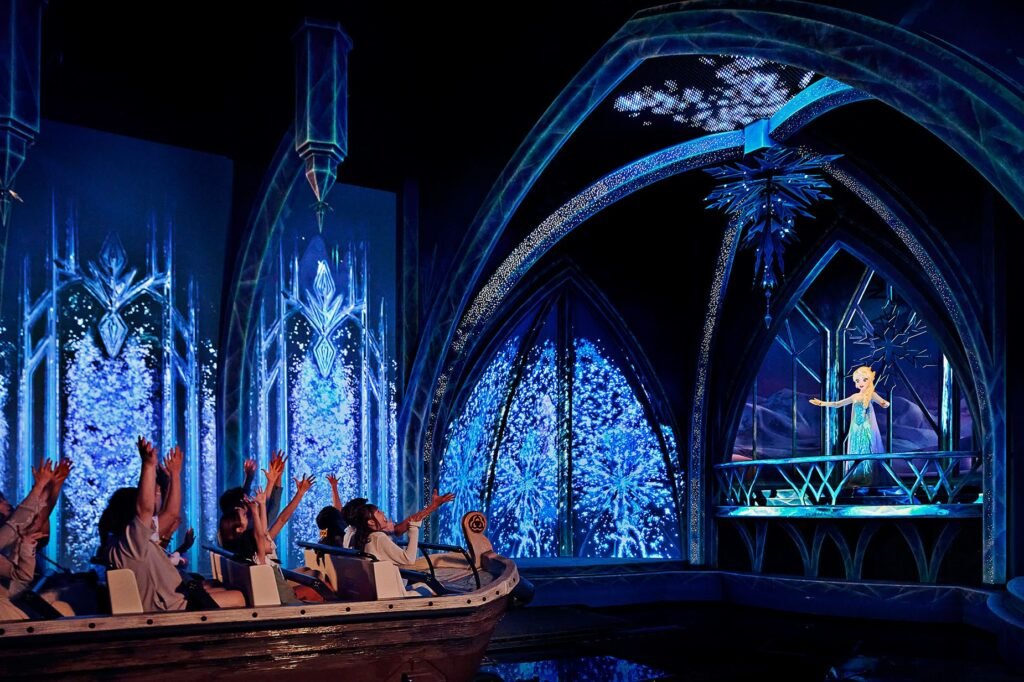
World of Frozen is one of the most exciting additions to Hong Kong Disneyland. Inspired by the world of Arendelle, it brings together village streets, Nordic-style architecture, mountain scenery, water elements, themed dining, shops, attractions, and character experiences.
From an architectural perspective, this zone is valuable because it recreates a fictional place in a believable way. The roofs, timber details, colour palette, stone textures, towers, water edges, and mountain backdrop work together to create a complete environment.
For interior designers, World of Frozen shows how storytelling can continue indoors. Restaurants, shops, ride queues, and small decorative details all help visitors stay inside the same visual narrative.
Landscape, Mountains and Site Context
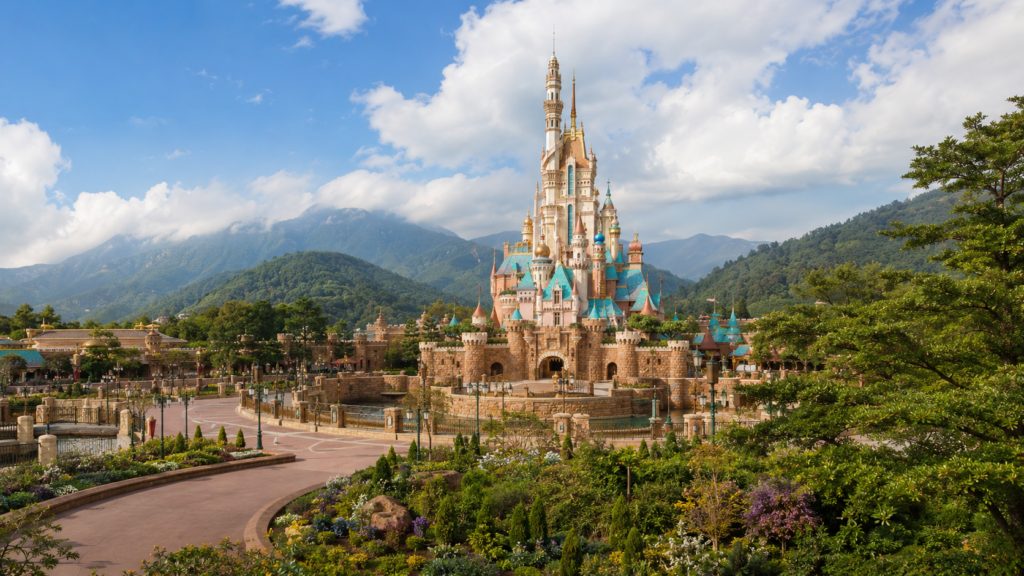
One of the most unique aspects of Hong Kong Disneyland is its relationship with natural surroundings. The park benefits from Lantau Island’s greenery and mountain backdrop, which add depth to the experience.
This connection between built fantasy and natural landscape makes the place feel more dramatic. A castle with mountains behind it looks more powerful than a castle placed in an empty urban field. The surrounding greenery softens the built environment and helps create a more immersive atmosphere.
For architects and landscape designers, this is a useful lesson. Site context can strengthen a project when it is thoughtfully framed and integrated.
Interior Design Lessons from Hong Kong Disneyland
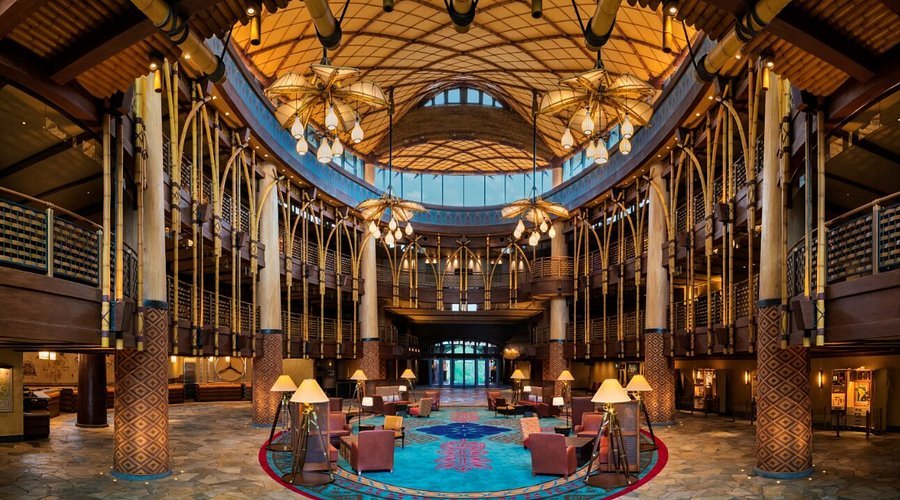
The interiors across the park are designed to support different moods. Some spaces feel royal, some playful, some adventurous, and some futuristic. This variety is created through lighting, ceiling height, wall textures, display design, furniture, flooring, colour, and decorative details.
Interior designers can learn a lot from this approach. A good interior is not only about style. It is about how people move, pause, look, interact, and remember a space.
In themed environments, interiors must also be practical. They need to manage crowds, guide queues, support safety, create comfort, and still maintain the illusion of the story. This balance between function and fantasy is one of the strongest design lessons of the park.
How Theme Design Shapes Guest Movement?
A successful attraction depends heavily on circulation. Visitors should feel guided without feeling controlled. Pathways, visual landmarks, entrances, waiting zones, shaded areas, rest points, and open spaces all shape the guest journey.
Hong Kong Disneyland uses spatial sequencing to build anticipation. A visitor may first see a distant castle, then enter a themed street, then pass through a gateway, then reach a ride or performance zone. This gradual reveal keeps the experience interesting.
For urban designers, this is similar to planning a walkable district. The experience should unfold naturally, with moments of surprise, rest, movement, and discovery.
What Architects Can Learn from Theme Design?
Architects can learn several lessons from this destination. First, architecture can be emotional. Buildings can create joy, curiosity, nostalgia, excitement, and comfort when they are designed with a clear story.
Second, landmarks matter. The castle, themed mountains, village facades, and main streets help visitors understand the park visually. Third, details create credibility. A themed space feels believable only when materials, colours, proportions, signage, and lighting work together.
Most importantly, this type of design proves that architecture should be experienced, not just seen.
What Interior Designers Can Learn from Theme Design?
Interior designers can study the park for its use of atmosphere. The best spaces inside the destination are planned with mood, lighting, storytelling, comfort, and movement in mind.
A restaurant, shop, or attraction queue can become memorable when the interior supports a narrative. Even commercial spaces can feel magical when they use texture, sound, colour, display, and furniture with intention.
For retail, hospitality, and entertainment interiors, Hong Kong Disneyland offers strong lessons in emotional branding and guest experience.
Best Experiences for Architecture Lovers
Architecture and design lovers should explore the park slowly. Instead of only focusing on rides, they can observe how each zone is built, how facades change, how pathways guide movement, and how design creates atmosphere.
Key experiences include viewing the Castle of Magical Dreams from different angles, studying the streetscape details, exploring World of Frozen, observing themed restaurants and shops, watching how nighttime lighting transforms the park, and noticing how landscape frames the architecture.
Each of these moments reveals a different design layer. Readers who enjoy exploring tourist destinations through an architectural lens can also read about Marina Bay as an iconic architecture landmark, where urban planning, skyline identity, public space, and hospitality design come together to create a memorable city experience.
Why Does This Tourist Place Feel So Memorable?
Hong Kong Disneyland feels memorable because it combines fantasy with planning. It offers architecture, interiors, landscape, performance, hospitality, retail, and technology in one continuous theme design experience.
The destination appeals to many types of visitors. Families come for characters and attractions. Travellers come for photographs and entertainment. Designers come for storytelling, spatial planning, and immersive environments. Hospitality professionals can study how comfort, service, and atmosphere are woven into the guest journey.
That wide appeal is what makes the place more than a tourist spot. It becomes a built experience people remember long after they leave.
Final Thoughts on Hong Kong Disneyland and Design Identity
Hong Kong Disneyland is one of the most interesting tourist places in Hong Kong because it shows how architecture can create emotion. Its castle, themed lands, interiors, pathways, landscapes, and attractions are all designed to transport visitors into different worlds.
For architects, it is a lesson in landmark planning, visual storytelling, and spatial sequencing. For interior designers, it is a lesson in atmosphere, detail, lighting, and emotional branding. For travellers, it is a place where design turns imagination into reality.
In the end, this destination proves that great design does not only create buildings. It creates experiences, memories, and a deeper connection between people and place.