


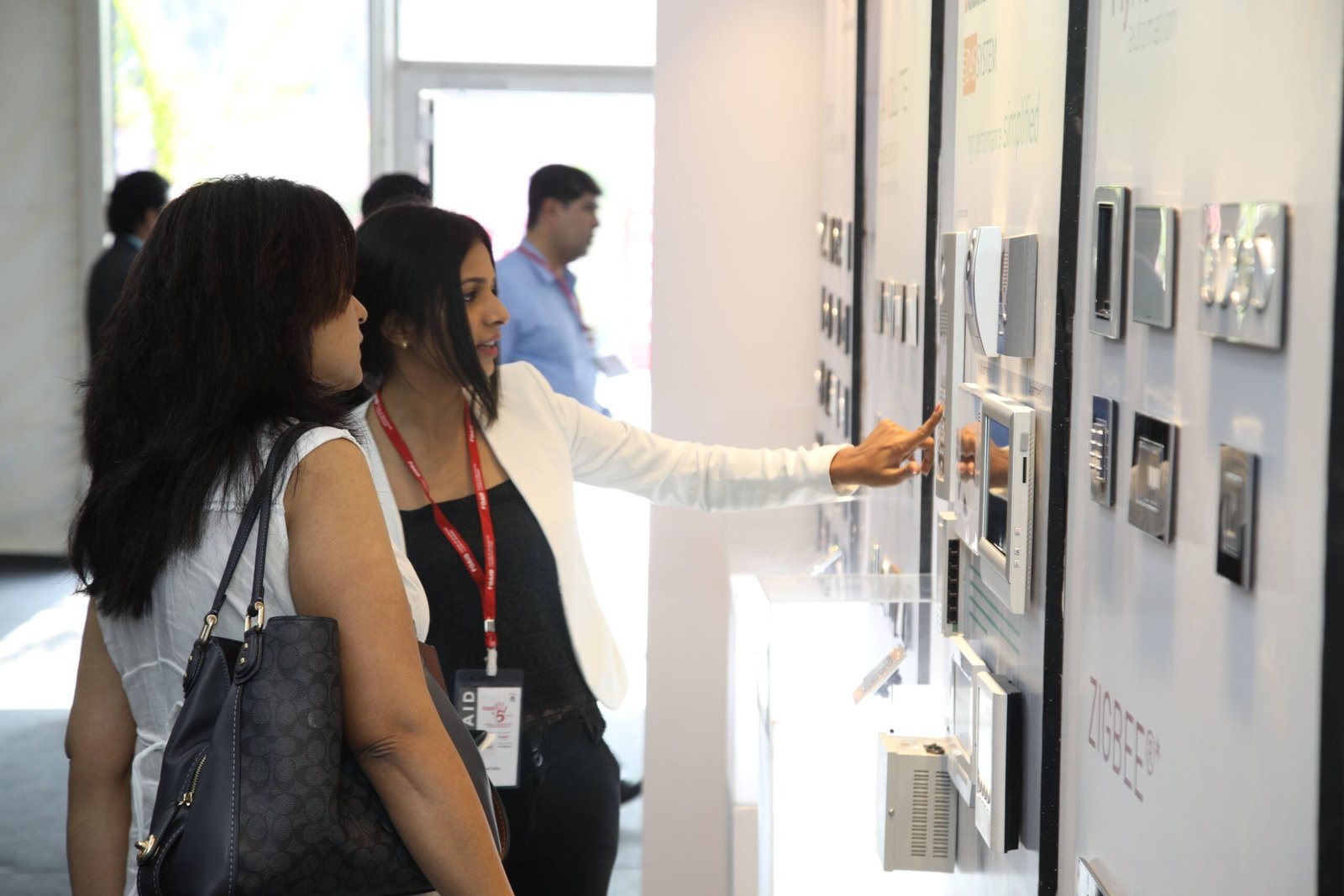
Interior design is constantly evolving as new materials, technologies, creative concepts, and lifestyle preferences influence the way people experience spaces. From comfortable residential interiors to modern commercial environments, innovative design plays an important role in creating spaces that are functional, attractive, and meaningful. Interior design exhibitions provide an opportunity for architects, interior designers, students, manufacturers, and design enthusiasts to discover fresh ideas and explore solutions that can transform everyday spaces.
In India, design-focused platforms such as FOAID – Festival of Architecture and Interior Designing bring together creative minds and industry professionals to celebrate innovation, exchange knowledge, and explore emerging developments in architecture and interior design.
What Are Interior Design Exhibitions?
Interior design exhibitions are events where design professionals, product manufacturers, brands, and creative businesses showcase their latest ideas, products, materials, and technologies. These exhibitions help visitors understand how different design elements can be used to improve residential and commercial interiors.
Visitors can explore furniture, lighting, flooring, wall finishes, decorative materials, smart-home solutions, sustainable products, and innovative space-planning concepts. Many design events also feature expert discussions, creative showcases, and opportunities to connect with industry professionals.
For architects and interior designers, attending an interior design exhibition in India can provide practical inspiration and help them discover new approaches to designing spaces that meet changing user needs.
How Interior Design Exhibitions Inspire Residential Spaces
A well-designed home should reflect the lifestyle, comfort, and personality of the people living in it. Interior design exhibitions introduce homeowners and professionals to creative concepts that can make residential spaces more functional, visually appealing, and adaptable.
1. Discovering Modern Interior Design Trends
Exhibitions allow visitors to explore contemporary colour palettes, furniture styles, lighting concepts, textures, and decorative finishes. These ideas can inspire designers to develop interiors that feel modern while remaining comfortable and practical.
For example, natural materials, warm colours, multifunctional furniture, and minimalist layouts can help create welcoming living spaces without compromising functionality.
2. Making Better Use of Available Space
With urban homes often requiring efficient space utilisation, smart planning has become an important part of residential interior design. Exhibitions showcase solutions such as modular furniture, built-in storage, convertible furniture, and flexible layouts.
These ideas can help designers maximise available space, especially in apartments and compact homes, while maintaining a sense of openness and comfort.
3. Exploring Smart Home Technologies
Technology is changing the way people interact with their homes. Smart lighting, automated curtains, intelligent temperature controls, and integrated security systems can improve convenience and energy management.
Interior design exhibitions help visitors explore these technologies and understand how they can be incorporated into residential spaces without compromising aesthetics.
4. Creating Sustainable and Healthy Homes
Sustainable interior design focuses on responsible material choices, energy efficiency, durability, and healthier indoor environments. Exhibitions can introduce visitors to low-emission finishes, recycled materials, energy-efficient lighting, and other environmentally conscious solutions.
By exploring these options, designers can develop homes that balance visual appeal, comfort, and environmental responsibility.
How Interior Design Exhibitions Transform Commercial Spaces
Commercial interiors require a different approach from residential design. Offices, retail stores, restaurants, hotels, and other business environments must support specific activities while creating a positive experience for employees, customers, and visitors.
Interior design exhibitions help professionals discover innovative ideas that address these requirements.
1. Designing Productive and Flexible Workspaces
Modern offices need to support collaboration, concentration, comfort, and flexibility. Exhibitions showcase ergonomic furniture, acoustic panels, modular workstations, flexible meeting areas, and lighting systems suited to different work activities.
These solutions can help designers create workplaces that adapt to changing business needs and improve the overall employee experience.
2. Creating Memorable Retail Environments
Retail design influences how customers interact with products and brands. Innovative display systems, effective lighting, carefully planned circulation, and engaging material combinations can help make retail spaces more inviting.
By exploring new retail fixtures and display technologies at design exhibitions, professionals can discover ways to create distinctive shopping environments.
3. Enhancing Hospitality and Restaurant Interiors
Hotels, cafés, and restaurants rely on atmosphere, comfort, and functionality to create memorable experiences. Interior design exhibitions offer inspiration through furniture concepts, lighting arrangements, surface materials, decorative elements, and space-planning ideas.
Designers can adapt these concepts to create environments that reflect a brand’s identity while meeting the practical requirements of hospitality businesses.
4. Integrating Technology into Commercial Interiors
Technology is becoming increasingly important in commercial spaces. Interactive displays, smart lighting controls, digital wayfinding, and integrated audiovisual systems can improve how people navigate and use buildings.
Industry exhibitions help professionals explore available solutions and evaluate how emerging technologies might support the purpose of a particular space.
The Role of Innovative Materials in Interior Design
Materials influence the appearance, durability, maintenance, and environmental performance of interior spaces. Interior design exhibitions provide a useful opportunity to compare different materials and understand their potential applications.
Some important material categories include:
- Sustainable materials: Recycled surfaces, responsibly sourced wood, and lower-impact finishes.
- Innovative surfaces: Decorative laminates, textured wall panels, and contemporary flooring solutions.
- Acoustic materials: Panels and finishes that help manage sound in offices, hospitality spaces, and homes.
- Lighting products: Energy-efficient fixtures and adaptable lighting systems for different environments.
- Modular products: Components that support flexible layouts and efficient installation.
Seeing materials and products in person can help designers assess their texture, finish, appearance, and suitability for specific projects. It also encourages creative combinations that may not emerge through digital research alone.
How Interior Design Exhibitions Encourage Creative Thinking
Innovation often begins when designers encounter ideas outside their usual areas of work. Interior design exhibitions create opportunities to explore unfamiliar products, compare different design approaches, and understand how other professionals solve practical challenges.
For example, a designer working on a residential project might discover an acoustic solution commonly used in commercial interiors. Similarly, an office designer might find inspiration in hospitality concepts that create more welcoming and comfortable environments.
This exchange of ideas encourages professionals to rethink conventional approaches and develop solutions that combine creativity with practical requirements.
Exhibitions also provide opportunities for students and emerging designers to understand industry expectations, observe new design techniques, and gain inspiration for their future projects.
Why Architects and Designers Should Attend Interior Design Exhibitions
Attending an interior design exhibition offers benefits beyond discovering new products. It can support professional development, industry awareness, and business growth.
Key benefits include:
- Industry knowledge: Learn about emerging materials, technologies, and design approaches.
- Professional networking: Connect with architects, interior designers, manufacturers, suppliers, and brands.
- Project inspiration: Discover ideas that can be adapted to residential and commercial projects.
- Product discovery: Compare design solutions and understand their potential applications.
- Business opportunities: Explore collaborations and build relationships with relevant industry participants.
- Continuous learning: Gain exposure to different perspectives and practical design challenges.
For professionals who want to stay informed about developments in architecture and interior design, exhibitions and conferences can be valuable additions to their learning and networking activities.
FOAID: Celebrating Innovation in Architecture and Interior Design
The Festival of Architecture and Interior Designing (FOAID) celebrates creativity, innovation, and knowledge sharing within India’s architecture and interior design community.
FOAID provides a platform for architects, interior designers, students, brands, and other industry participants to engage with design ideas and explore developments shaping the built environment. Through its event activities and professional engagement opportunities, FOAID supports conversations around contemporary design, creative expression, and new possibilities for spaces.
For professionals interested in residential interiors, commercial environments, innovative materials, and emerging design concepts, following FOAID’s event updates can be a useful way to stay connected with the wider design community.
Whether you are an established designer or a student beginning your journey, exploring architecture and interior design events can broaden your perspective and inspire new approaches to future projects.