


Top Benefits of Attending an Interior Design Exhibition
Interior design is constantly evolving with new materials, innovative technologies, creative concepts, and changing lifestyle needs. For architects, interior designers, students, and design enthusiasts, staying updated with these developments is essential to creating functional and inspiring spaces. One of the best ways to explore these innovations is by attending an interior design exhibition.
An interior design exhibition brings together designers, manufacturers, suppliers, architects, and industry experts in one place. Visitors can discover new products, experience creative installations, learn about emerging trends, and connect with professionals who are shaping the future of interior spaces.
Whether you are an experienced designer or a student beginning your journey, attending a design exhibition can offer valuable insights and practical knowledge. Let’s explore the key benefits of attending an interior design exhibition and how these events can support your professional growth.
1. Discover the Latest Interior Design Trends
One of the biggest benefits of attending an interior design exhibition is the opportunity to discover emerging design trends. From contemporary furniture and statement lighting to textured wall finishes and innovative space-saving solutions, exhibitions provide a closer look at what is influencing modern interiors.
Visitors can explore different design approaches, colour combinations, material applications, and decorative concepts. These experiences help professionals understand how trends can be adapted to residential, commercial, hospitality, and office interiors.
For example, sustainable materials, natural textures, flexible furniture, and smart home technologies are influencing how modern spaces are designed. Exploring these ideas in person can help designers identify concepts that suit their clients’ requirements.
2. Explore Innovative Interior Design Materials
Choosing the right materials is an important part of every interior design project. An exhibition allows visitors to explore a wide range of materials and finishes in one location.
Depending on the exhibitors, visitors may discover:
- Decorative laminates, veneers, and surface finishes.
- Flooring solutions, tiles, and wall cladding.
- Contemporary furniture and modular systems.
- Architectural hardware and space-saving fittings.
- Decorative and functional lighting solutions.
- Sustainable materials and alternative finishes.
Seeing products in person makes it easier to compare textures, finishes, colours, and applications. Visitors can also speak directly with manufacturers and suppliers to understand product specifications, maintenance requirements, durability, and suitability for different projects.
This practical exposure can help interior designers make more informed material selections and develop better design solutions.
3. Gain Inspiration for Creative Design Projects
Creative inspiration often comes from experiencing ideas beyond your usual surroundings. An interior design expo provides an environment where visitors can explore different styles, artistic installations, innovative layouts, and imaginative uses of space.
Exhibitions showcase how designers combine materials, lighting, furniture, colours, and textures to create distinctive environments. These displays can encourage visitors to experiment with new concepts and approach familiar design challenges differently.
For students and emerging designers, this exposure can be especially valuable. Observing real-world design applications can help bridge the gap between classroom learning and professional practice.
Instead of simply viewing photographs online, visitors can experience design concepts in a physical setting and understand how different elements work together.
4. Build Professional Networks and Industry Connections
Networking is another important advantage of attending an interior design exhibition. These events bring together professionals from different areas of the design and construction industries, creating opportunities to exchange ideas and establish meaningful connections.
Visitors may connect with:
- Interior designers and architects.
- Furniture and lighting manufacturers.
- Building material suppliers.
- Design studios and consultants.
- Developers and project professionals.
- Students, researchers, and emerging creative talent.
Such connections can lead to future collaborations, product partnerships, project referrals, and professional learning opportunities.
For independent designers and small design studios, meeting suppliers and industry professionals face-to-face can also help establish relationships that support future projects.
5. Learn from Industry Experts and Design Discussions
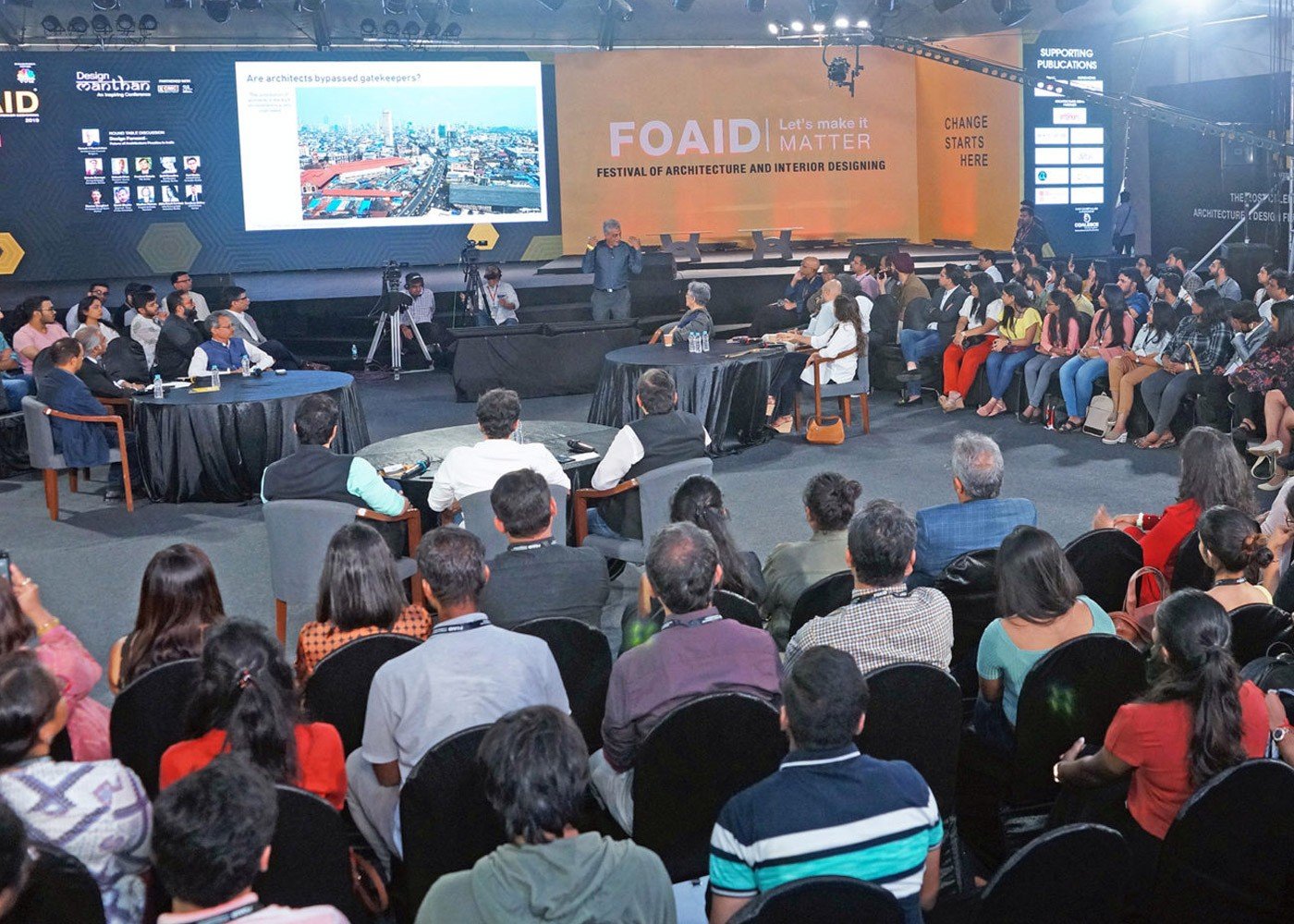
Many architecture and interior design exhibitions feature expert talks, panel discussions, conferences, workshops, or knowledge-sharing sessions. These activities provide visitors with opportunities to learn from experienced professionals and understand current industry challenges.
Topics may include sustainable design, lighting strategies, material innovation, technology in interiors, space planning, and the relationship between architecture and interior design.
Listening to different perspectives can help designers develop a broader understanding of their profession. It can also introduce them to practical approaches for solving design problems and managing client expectations.
When selecting an exhibition, look beyond the product displays and check whether the event includes educational sessions that match your interests.
6. Understand Sustainable Interior Design Solutions
Sustainability has become an important consideration in contemporary interior design. Designers are increasingly exploring ways to reduce waste, improve material efficiency, and create spaces that support long-term use.
An interior design exhibition can help visitors discover products and solutions that contribute to more responsible design decisions.
These may include recycled or reclaimed materials, durable finishes, energy-efficient lighting, low-emission products, and furniture designed for long-term functionality.
Visitors can speak with manufacturers to learn about material composition, maintenance, expected lifespan, and relevant environmental certifications.
However, it is important to evaluate sustainability claims carefully. A product’s environmental value depends on several factors, including its production, transportation, durability, and end-of-life disposal.
By comparing available options, designers can make more informed choices for projects that balance aesthetics, functionality, and environmental responsibility.
7. Discover New Technologies and Smart Interior Solutions
Technology is changing the way interior spaces are planned, managed, and experienced. Smart lighting, automated shading, integrated controls, and adaptable furniture systems are becoming increasingly relevant to modern interiors.
Attending an interior design exhibition gives visitors an opportunity to explore these innovations and understand their practical applications.
For example, smart lighting systems can support different activities through adjustable brightness and colour temperature. Automated blinds can improve convenience, while modular furniture can help maximise the use of limited space.
Seeing these products demonstrated in person can help designers assess their features and determine whether they are suitable for specific projects.
For professionals working on modern homes, offices, hotels, or retail spaces, understanding these developments can support more thoughtful and functional design decisions.
8. Identify Business and Collaboration Opportunities
Interior design exhibitions are not only places to find inspiration; they can also provide opportunities to develop business relationships.
Design studios can discover new suppliers, manufacturers can introduce their products to potential clients, and emerging professionals can learn about different areas of the industry.
Exhibitions may also help businesses understand market preferences, compare product offerings, and identify potential collaborators.
For interior designers managing multiple projects, meeting several suppliers in one location can make product discovery more efficient. It can also help them explore alternative materials, compare available solutions, and build a more reliable professional network.
The key is to attend with clear objectives, whether that means finding new products, meeting potential partners, or learning about a particular design category.
9. Gain Practical Exposure for Students and Young Designers
For students of interior design and architecture, exhibitions provide an opportunity to see how professional ideas are translated into products, installations, and completed spaces.
They can observe how materials interact with lighting, how furniture supports different activities, and how designers communicate concepts through physical displays.
Students can also learn about manufacturers, design technologies, professional practices, and emerging career opportunities.
To make the most of the experience, students should take notes, document permitted displays, ask relevant questions, and research products they find interesting.
This approach turns a casual visit into a useful learning experience that can inform academic projects, portfolios, and future career decisions.
10. Experience Architecture and Interior Design in One Place
Interior design does not exist in isolation. It works closely with architecture, lighting, furniture design, materials, technology, and the broader built environment.
Events that combine architecture and interior design offer visitors a more complete view of how these disciplines influence one another.
For instance, the layout of a building affects how interior spaces are organised, while lighting, materials, and furniture influence how people experience those spaces.
Platforms such as the Festival of Architecture and Interior Designing (FOAID) bring together exhibitions, design discussions, creative showcases, and opportunities for professional interaction. Such events can help visitors explore different aspects of architecture and interior design within a shared creative environment.
For professionals interested in the wider design industry, attending multidisciplinary events can encourage collaboration and introduce fresh perspectives on contemporary spaces.
How to Make the Most of an Interior Design Exhibition
Attending an exhibition with a plan can help you gain more value from the experience. Consider these practical tips before your visit.
Set clear objectives: Decide whether you want to explore new materials, understand design trends, meet suppliers, or learn from industry experts.
Research the exhibitors: Review the event website and shortlist the brands, designers, and sessions relevant to your interests.
Prepare questions: Ask about product specifications, installation requirements, maintenance, pricing, and suitability for different applications.
Document useful ideas: Take notes and photographs where permitted. Record product names and contact details so you can revisit them later.
Network professionally: Introduce yourself to exhibitors and fellow visitors, exchange contact details, and follow up on relevant conversations.
Review what you learned: After the exhibition, organise your notes and identify ideas that could be applied to upcoming projects or further research.
These simple steps can make your visit more focused, productive, and worthwhile.
Why FOAID Is Worth Exploring for Interior Design Professionals
For professionals and students looking to explore architecture and interior design in India, the Festival of Architecture and Interior Designing (FOAID) is one event to consider.
FOAID combines design exhibitions with conferences, creative showcases, competitions, and professional discussions. Its multidisciplinary approach allows visitors to explore innovative ideas, discover design products, and engage with different members of the architecture and design community.
The festival’s Design Arena showcases creative projects and design innovations, while its knowledge-sharing sessions provide opportunities to hear different perspectives on the built environment.
FOAID’s upcoming editions are scheduled for:
- New Delhi: 27–28 November 2026, at NSIC Grounds, Okhla.
- Mumbai: 27–28 January 2027, at Jio World Convention Centre.
Visitors interested in exploring the programme, event highlights, and attendance information can find details on the official FOAID website.
For interior designers, architects, students, and design enthusiasts, events of this kind can provide a useful opportunity to explore new ideas, connect with industry professionals, and better understand the evolving design landscape.