

The Pritzker Architecture Prize is one of the world’s most respected honour in architecture, celebrating designers whose work shapes cities, communities, and human experiences. This blog explores its history, famous winners, design values, and the lessons architects and interior designers can learn from award-winning spaces.

Architecture is more than buildings, materials, drawings, and construction. At its highest level, it becomes a cultural force that shapes cities, communities, lifestyles, and the way people experience the world. Among the many global honors in the design industry, the Pritzker Architecture Prize is considered one of the most respected recognitions for architects.
Often described as architecture’s highest honor, this award celebrates architects whose built work has made a meaningful contribution to humanity and the built environment. It does not simply reward style, fame, or visual drama. It recognises design that shows talent, vision, responsibility, and long-term impact.
For an architectural and interior design website, this topic is important because the award helps readers understand what truly makes architecture timeless. It highlights how buildings can influence culture, comfort, public life, sustainability, material innovation, and human experience.
Why Pritzker Matters in Architecture?
The Pritzker award matters because it gives architecture global visibility. While films, fashion, and art often receive widespread public attention, architecture sometimes remains limited to professional circles. This honour brings architects into public conversation and reminds people that buildings affect everyday life.
A well-designed building can change how people work, learn, heal, travel, gather, and live. The pritzker award recognises architects who understand this deeper responsibility. Their work often goes beyond beautiful forms and focuses on social value, climate response, craftsmanship, cultural identity, and spatial experience.
For young architects and interior designers, studying the winners can be extremely useful. Their projects show that great design is not always about creating the tallest, largest, or most expensive building. It is about creating meaningful spaces that respond to people, place, and time.

Pritzker History and Global Recognition
The pritzker award was established in 1979 by Jay A. Pritzker and his wife Cindy Pritzker and has since become one of the most influential honors in the field of architecture. It is awarded annually to a living architect or architects whose work has made a consistent and significant contribution to the built environment.
Over the years, the list of laureates has included some of the most important names in modern and contemporary architecture. These architects have shaped museums, homes, cultural centres, schools, housing projects, public buildings, urban spaces, and experimental structures across the world.
The pritzker award is often compared to the Nobel Prize because of its international reputation and its focus on lifetime achievement. Winning it usually brings renewed attention to an architect’s philosophy, built projects, and influence on future generations.
Famous Laureates Who Changed Architecture
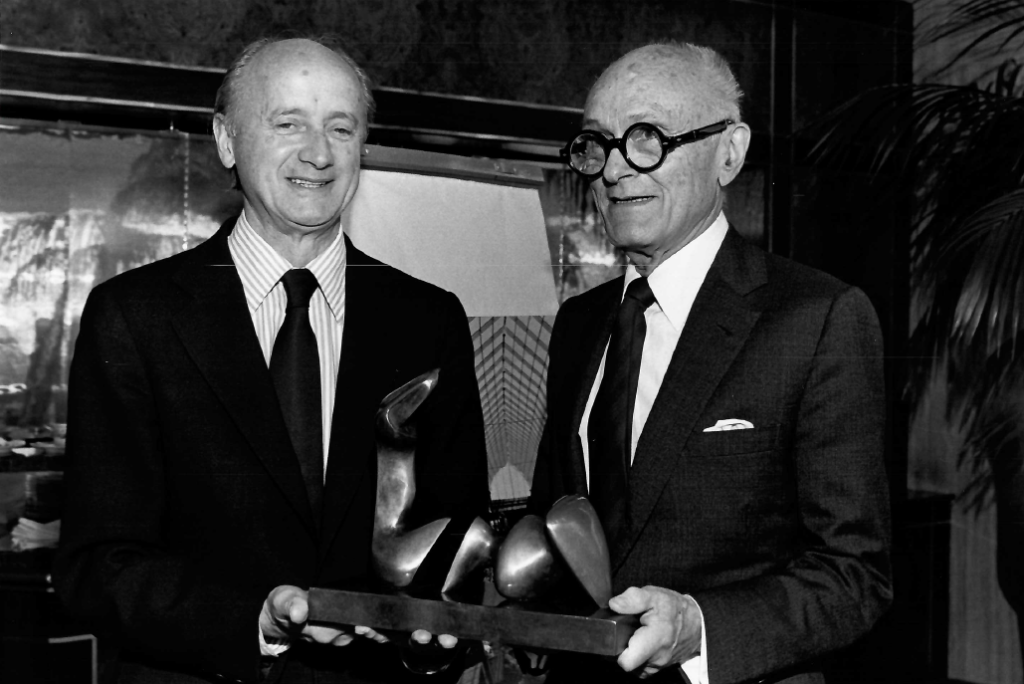
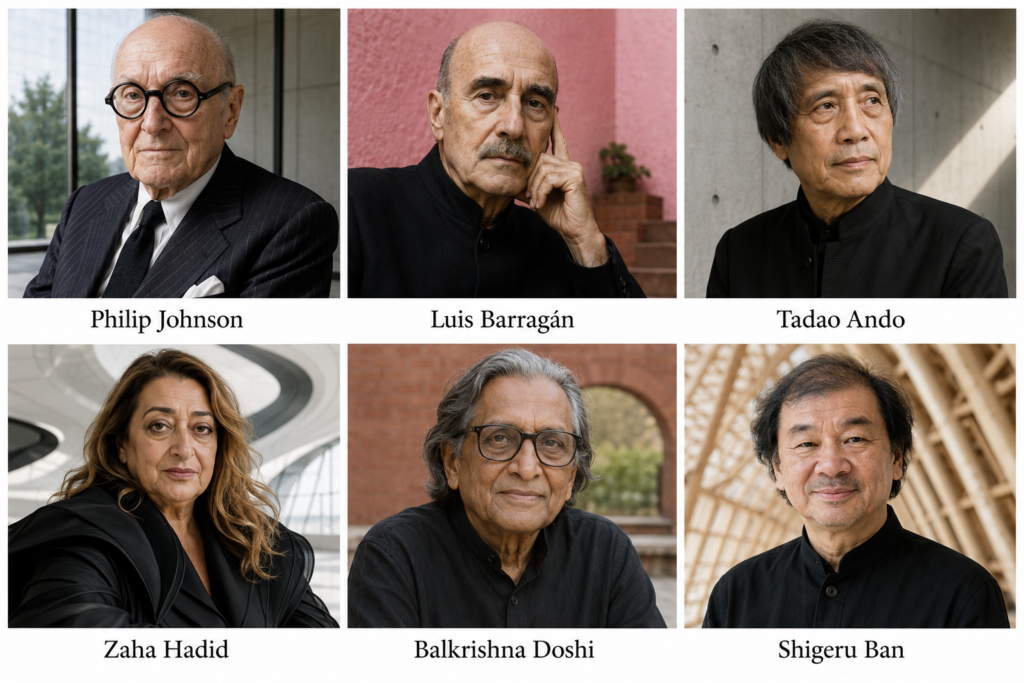
Many winners have transformed the way architecture is understood. Philip Johnson, the first laureate, represented a major voice in modern architecture. Luis Barragán brought colour, emotion, landscape, and silence into architectural thinking. Tadao Ando became known for concrete, light, water, and spiritual simplicity.
Zaha Hadid changed global architecture through bold geometry and fluid forms. Balkrishna Doshi brought Indian modernism, social housing, education, and climate-responsive design to international attention. Shigeru Ban showed how architecture can respond to disaster relief and humanitarian needs through simple, intelligent materials.
These examples prove that there is no single formula for greatness. Some architects are poetic, some technical, some social, some experimental, and some deeply rooted in local culture. What connects them is the ability to create spaces that remain relevant beyond trends.
Readers interested in exploring the work of another celebrated award-winning architect can also read about Renzo Piano’s architectural journey, which highlights how simplicity, transparency, engineering, and human-centered design shaped his global legacy.
Latest Pritzker Laureate and What It Shows
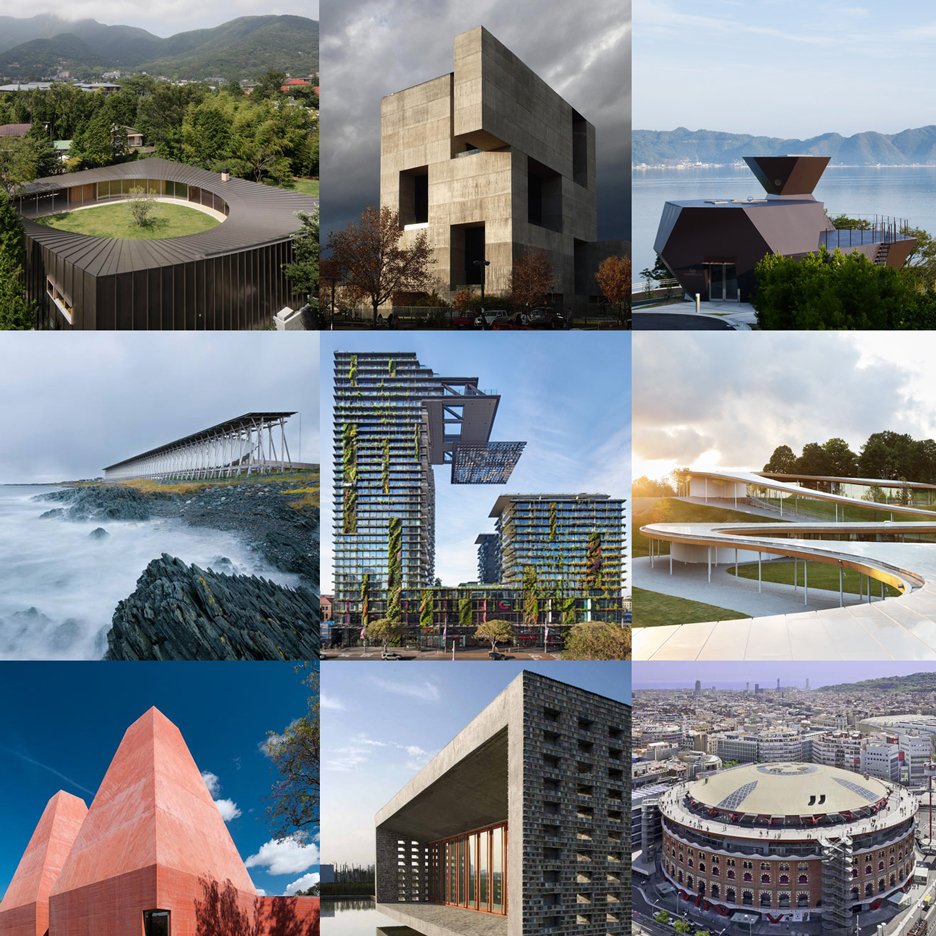
The 2026 laureate, Smiljan Radić Clarke, reflects the award’s continuing interest in architecture that is experimental, thoughtful, and connected to landscape, material, and human perception. His work shows that architecture can be quiet, strange, emotional, and powerful without relying only on large scale.
This is important for designers because it expands the meaning of success. A project does not always need to dominate a skyline to be significant. It can also create impact through atmosphere, detail, context, and the way people feel inside a space.
The latest recognition also reminds readers that architecture is constantly evolving. Today’s most respected work often explores vulnerability, material honesty, sustainability, social meaning, and the relationship between buildings and nature.

What Architects Can Learn from Pritzker Winners?
Architects can learn several important lessons from past winners :
- Strong architecture begins with a clear idea. Whether the project is a house, museum, school, airport, or public space, the concept should guide every design decision.
- Context matters. Great buildings respond to climate, culture, landscape, history, and local needs. They do not feel disconnected from their surroundings.
- Material selection is powerful. Concrete, brick, wood, stone, glass, metal, bamboo, or recycled materials can all create emotion when used with intelligence.
- Architecture should serve people. A visually impressive building loses value if it is uncomfortable, confusing, wasteful, or disconnected from daily life.
Pritzker and Interior Design Lessons
Although the pritzker award is primarily linked to architecture, interior designers can also learn a lot from its laureates. Many winning architects create spaces where interiors are not treated as decoration, but as part of the complete architectural experience.
Light, proportion, texture, circulation, furniture placement, wall surfaces, ceiling height, views, and material transitions all influence how a building feels from within. This is where architecture and interiors become inseparable.
For interior designers, the key lesson is that atmosphere matters. A room should not only look good in photographs. It should feel comfortable, purposeful, and memorable in real life. Many award-winning buildings succeed because they create strong emotional experiences inside.
Design Values Behind the Award
The award celebrates more than famous buildings. It recognises values that are important for the future of design.
These values include:
- Human-centred planning
- Cultural sensitivity
- Climate awareness
- Material innovation
- Social responsibility
- Craftsmanship
- Urban contribution
- Timeless design quality
- Emotional and spatial depth
For architecture and interior design professionals, these values are extremely relevant. They show that successful design is not only about visual style. It is about responsibility, usefulness, beauty, and long-term meaning.
Why Does This Award Still Feels Relevant Today?
In today’s world, architecture faces many challenges. Cities are becoming denser, climate concerns are growing, housing needs are increasing, and public spaces are becoming more important. In this context, global architectural recognition helps bring attention to designers who are responding to these challenges thoughtfully.
The award remains relevant because it encourages the profession to think beyond commercial success. It asks larger questions: How can buildings improve lives? How can architecture respond to climate? How can design support communities? How can beauty and responsibility exist together?
These questions are important not only for architects, but also for interior designers, urban planners, students, developers, and anyone interested in the future of built spaces.
How Students and Young Designers Can Use This Knowledge?
Architecture and interior design students can study laureates to understand different design philosophies. Instead of only memorising names, they should study how each architect thinks.
Students can ask:
- What problem was the architect trying to solve?
- How did the building respond to its site?
- What materials were used and why?
- How does the space feel to users?
- What makes the project timeless?
- How does design influence society?
This approach helps students move beyond visual inspiration and understand deeper design thinking.
Final Thoughts on Pritzker and the Future of Design
The Pritzker Architecture Prize is not just an award. It is a reminder that architecture has the power to shape human experience, cultural memory, and the future of cities.
Its laureates show that great design can be bold or quiet, monumental or modest, global or deeply local. What matters most is the ability to create spaces that serve people and contribute meaningfully to the built environment.
For architects and interior designers, the biggest lesson is clear: design should not only impress the eye. It should improve life, respect context, and create spaces that people remember long after they leave.