

Gensler has become one of the most influential global names shaping conversations around large-scale architecture, workplace strategy, interiors, and user experience.
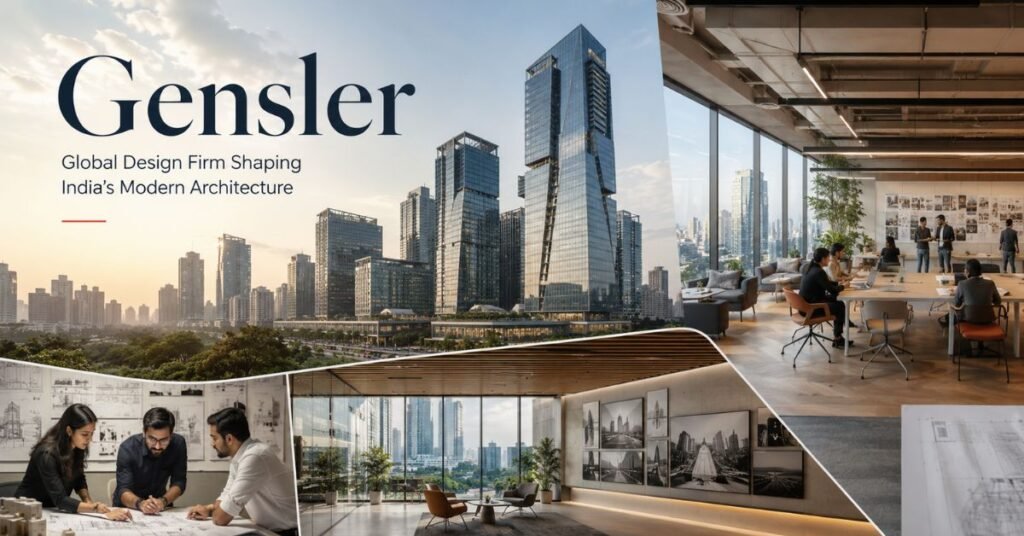
India’s architecture and interior design industry is growing rapidly, with demand rising across corporate offices, education campuses, mixed-use towers, hospitality spaces, retail destinations, and future-ready workplaces. In this changing design landscape, Gensler has become one of the most influential global names shaping conversations around large-scale architecture, workplace strategy, interiors, and user experience.
It is important to understand that this is not an Indian-origin firm. It was founded in San Francisco and grew into a global architecture, design, and planning practice. However, its expanding work and presence in India have made it highly relevant to the country’s modern built environment.
For architecture and interior design readers, the firm’s journey is important because it shows how a design practice can grow from corporate interiors into a multidisciplinary global force that works across architecture, interiors, brand strategy, sustainability, consulting, and research-led planning.
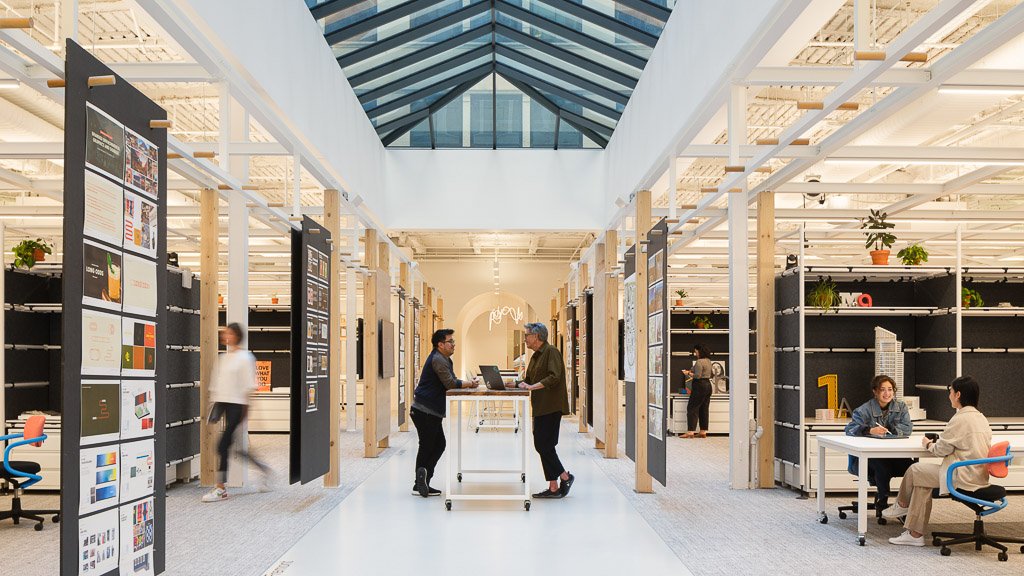
Why Gensler Matters in India’s Design Industry?
India’s design requirements are becoming more complex. Modern clients no longer want only attractive buildings or stylish offices. They want spaces that support productivity, wellness, flexibility, collaboration, technology, brand identity, and long-term business growth.
This is where the firm’s global experience becomes useful. It brings knowledge from international workplace, hospitality, commercial, education, aviation, retail, and mixed-use projects, while adapting ideas to Indian cities and users.
In India, this is especially important because workplaces are changing fast. Companies are rethinking how employees return to offices, how teams collaborate, how brand culture is expressed, and how interiors can support both focus and flexibility.
The Journey of Gensler: From Interiors to Global Leadership
The firm was founded in 1965 in San Francisco by Art Gensler, Drue Gensler, and James Follett. Its early work focused strongly on corporate interiors, which later became one of its biggest strengths. Over time, the practice expanded into architecture, planning, consulting, brand design, sustainability, digital experience, workplace strategy, education, hospitality, airports, retail, and urban design.
This growth did not happen only through size. It happened because the company understood that buildings are not separate from the people who use them. Offices, campuses, towers, hotels, airports, and retail spaces all need to work as complete experiences.
That human-centered approach helped the company move from interior projects to some of the world’s most complex architectural commissions.

Gensler India Presence: Offices, Sectors and Growth
Gensler has built a strong India footprint through its offices in Bengaluru, Mumbai, and Delhi NCR. These locations allow the company to work closely with Indian clients while also connecting to its wider Asia Pacific, Middle East, and global design network.
Its India work covers several important sectors, including workplace interiors, corporate headquarters, education campuses, commercial offices, residential and mixed-use developments, financial services spaces, technology workplaces, and retail environments.
The firm’s growth in India reflects the country’s own growth story. As Indian cities expand, companies need spaces that are more efficient, more flexible, more sustainable, and more closely connected to brand identity.
Famous Gensler Projects in India
The firm’s India portfolio includes projects that show its ability to handle different scales, sectors, and design challenges.
Four Seasons Mumbai Tower
The Four Seasons Mumbai Tower is one of the most ambitious projects associated with the firm in India. Planned as a tall mixed-use tower, it combines hotel, office, condominium, and other functions within a sleek vertical form. Its double-skin facade strategy also reflects the importance of performance, energy efficiency, and urban identity in high-rise design.
For architects, this project shows how a tower can respond to tight site constraints while still creating a strong skyline presence. For interior designers, it highlights the relationship between luxury hospitality, circulation, views, and refined material expression.

Wipro House Koramangala, Bengaluru
Wipro House Koramangala is an 84,000-square-foot headquarters designed to improve employee experience and express the company’s consumer-driven product culture. The project is important because it shows how a headquarters can become more than an office.
Instead of treating workspaces as rows of desks, the design focuses on collaboration, interaction, brand expression, and user comfort. It reflects the modern Indian workplace shift from fixed hierarchy to flexible, experience-driven planning.
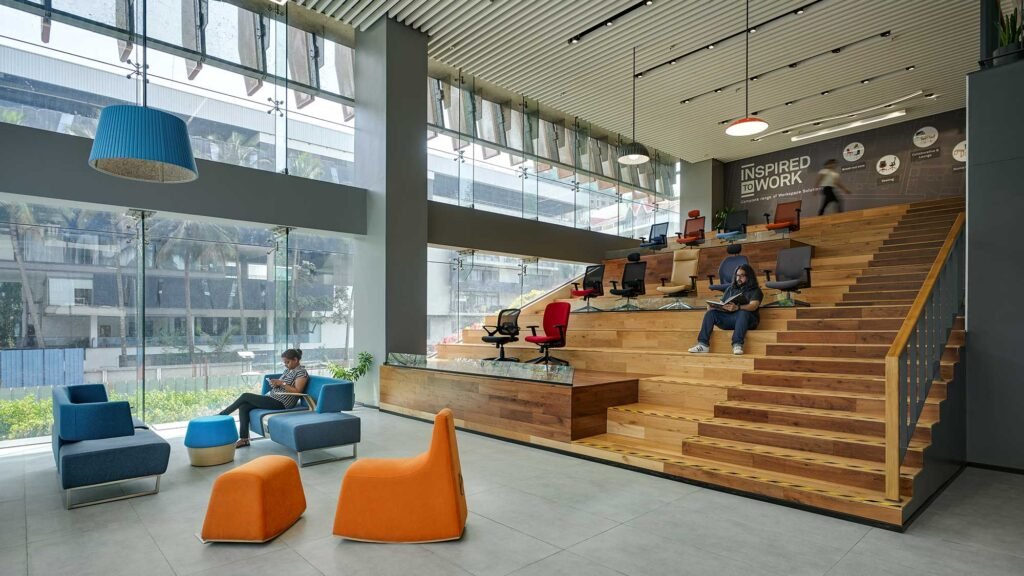
Meta, Gurgaon
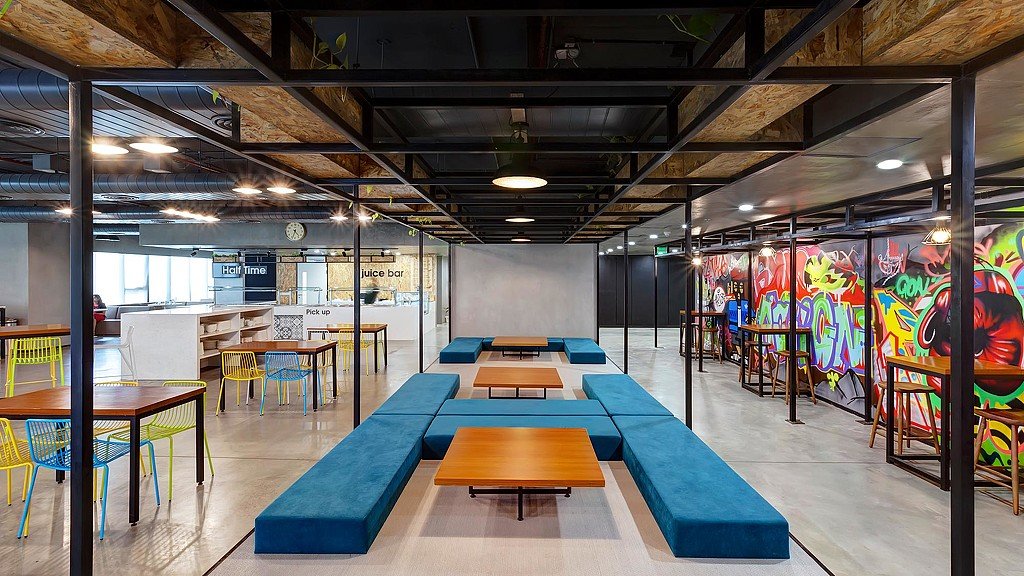
Meta’s Gurgaon workspace is a strong example of contextual workplace storytelling. The design was inspired by the contrast of Gurugram itself, where modern buildings stand near older village patterns and informal urban textures.
Through colour, exposed finishes, street-art references, staggered enclosed spaces, graphics, and varied flooring, the office interprets the energy of the city inside a contemporary workplace. This is a useful lesson for interior designers because it shows how local context can become part of office identity.
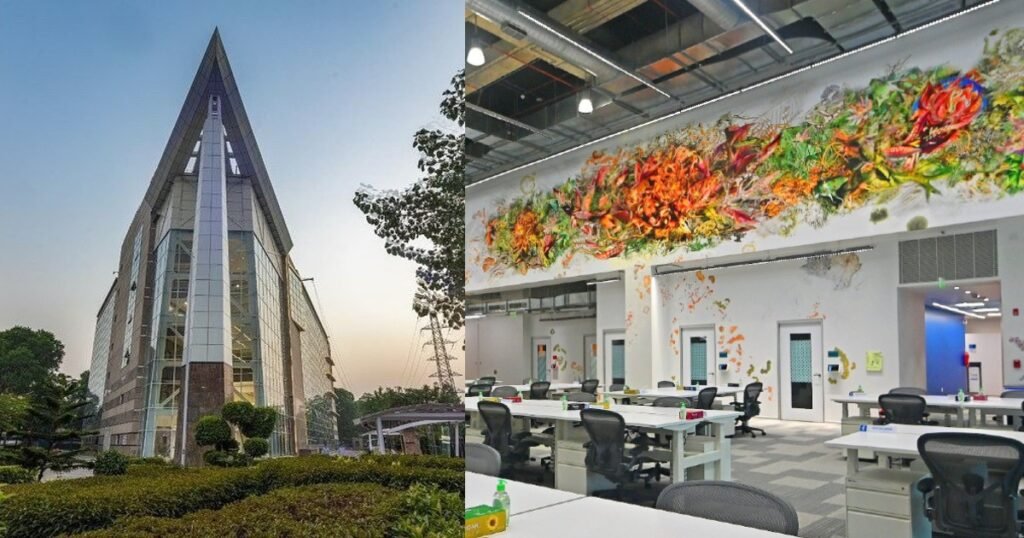
Adidas India HQ, Gurgaon
Adidas India HQ was designed around movement, fitness, experimentation, collaboration, and brand culture. The workspace reflects the active personality of the brand and creates an environment where employees feel connected to its values.
For designers, this project shows the importance of brand-led interiors. A good headquarters should not feel generic. It should communicate what the company believes in through planning, graphics, activity zones, furniture, and material choices.
Oberoi Realty HQ, Mumbai
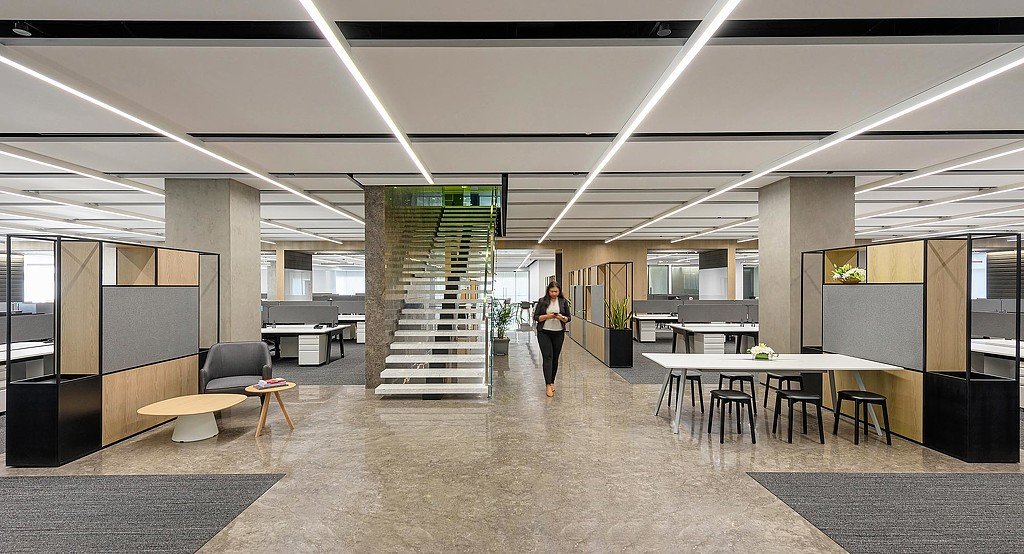
Oberoi Realty HQ in Mumbai was created to support collaboration, employee interaction, and a sophisticated client-facing experience. The workplace includes meeting rooms, project rooms, team spaces, a materials library, and open planning that moves away from traditional private-office hierarchy.
This project is especially relevant for real estate and design companies because it shows how a headquarters can become both a workplace and a brand statement.
IILM Campus 01, Gurugram
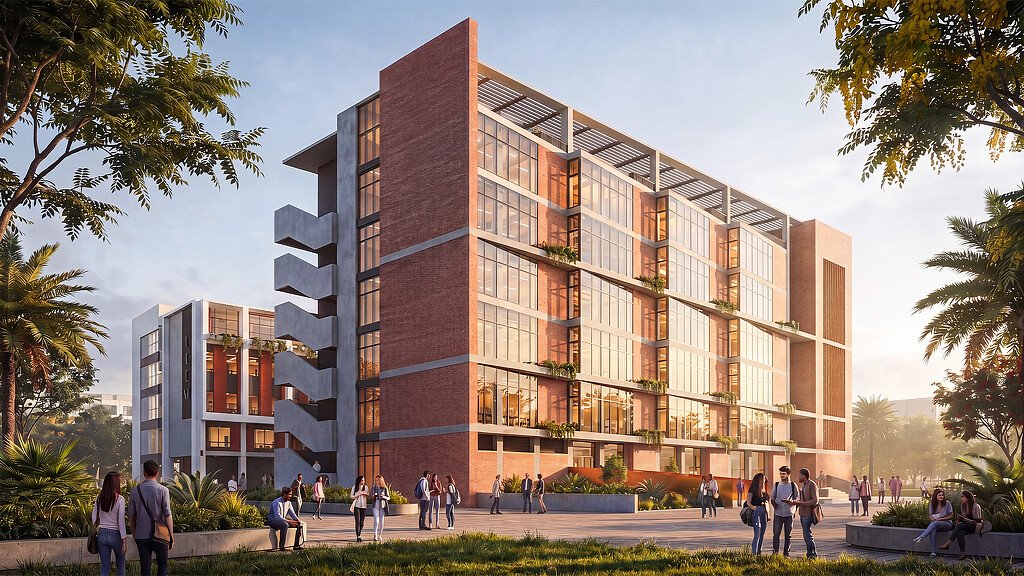
IILM Campus 01 reflects the firm’s work in education design. The campus phase includes academic buildings, classrooms, cafeteria space, a student centre, and an auditorium. Its focus on flexibility, student well-being, and efficient capacity planning shows how education environments are changing in India.
For architects, the project offers lessons in campus planning, thermal comfort, collaboration zones, and future-ready learning spaces.
Global Projects That Built the Firm’s Reputation
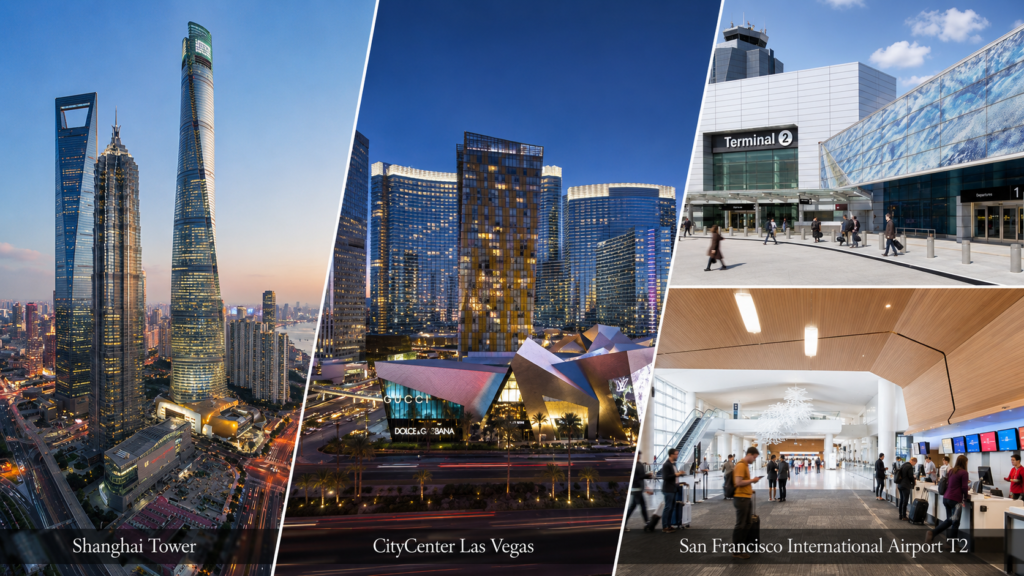
The company’s global journey also includes projects that helped build its reputation at an international level. Shanghai Tower in China became one of its most recognised high-rise projects, showing how skyscraper design can combine vertical city planning, public zones, sustainability, and symbolic form.
CityCenter in Las Vegas demonstrated the firm’s ability to work at a massive urban scale as executive architect for a large mixed-use development. San Francisco International Airport Terminal 2 also showed how airport interiors can be designed around hospitality, comfort, sustainability, and passenger experience.
These global projects matter to India because they show the type of knowledge the firm brings into fast-growing markets: scale, complexity, technical coordination, and experience-led design.
What Makes This Global Firm Different?
The firm’s biggest strength is its multidisciplinary model. Instead of separating architecture, interiors, branding, strategy, and research, it connects them into one design process.
This is important for modern projects because buildings are expected to do many things at once. A corporate office must support culture and productivity. A hotel must create memory and comfort. A retail space must express a brand and attract customers. A campus must encourage learning and community.
The firm’s research-driven approach also helps clients make design decisions based on how people actually use space, not only on visual style.
Design Lessons for Architects and Interior Designers
There are several lessons Indian architects and interior designers can take from this journey.
- Design should begin with people. A beautiful space is not successful if it does not support comfort, movement, purpose, and experience.
- Brand identity matters. Offices, stores, campuses, and hotels should not feel generic. They should tell a story about the people and organisations they represent.
- Flexibility is essential. Indian workplaces and campuses need to adapt to changing teams, technologies, hybrid work patterns, and future growth.
- Local context should not be ignored. Even global projects become stronger when they respond to culture, climate, city character, and user behaviour.
Gensler and the Future of Indian Architecture
India’s future built environment will demand more thoughtful design across workplaces, mixed-use developments, transport hubs, campuses, hospitality spaces, and commercial interiors. Clients will continue to expect spaces that are sustainable, adaptable, technology-ready, and emotionally engaging.
The firm’s role in India will likely grow because these are exactly the areas where global design knowledge and local execution need to come together. As Indian cities become more competitive and design-aware, large firms will play an important role in shaping how people work, learn, travel, shop, and live.
To understand how global firms like Gensler fit into India’s evolving design ecosystem, readers can also explore this guide on top architecture firms in India, which highlights leading practices shaping the country’s architectural future.
Final Thoughts on Gensler and India’s Built Environment
The journey from a San Francisco interiors practice to one of the world’s most influential architecture and design firms shows how powerful a human-centered approach can be. In India, its projects reflect the changing needs of modern businesses, institutions, developers, and users.
From Wipro House and Meta Gurgaon to Adidas India HQ, Oberoi Realty HQ, IILM Campus, and the Four Seasons Mumbai Tower, the firm’s work offers useful lessons in workplace planning, brand experience, hospitality, education, high-rise architecture, and interior design.
For architecture and interior design readers, the biggest takeaway is clear: great design is not only about buildings. It is about people, purpose, identity, performance, and the experience a space creates every day.