

This blog explores Jaipur from the perspective of architecture and interiors. It looks at its planning, materials, colour palette, royal spaces, decorative details, and design lessons that continue to inspire modern homes, hotels, studios, and public spaces.

Jaipur is not just a destination; it is a living design archive. Known worldwide as the Pink City, Jaipur offers a rare combination of royal architecture, planned urban form, traditional craftsmanship, vibrant markets, and timeless interior design inspiration.
For architects and interior designers, Jaipur is important because every street, facade, courtyard, gateway, palace, and bazaar tells a design story. The pink city shows how colour, climate, geometry, culture, and craftsmanship can work together to create a strong architectural identity.
This blog explores Jaipur from the perspective of architecture and interiors. It looks at its planning, materials, colour palette, royal spaces, decorative details, and design lessons that continue to inspire modern homes, hotels, studios, and public spaces.
Why Pink City Jaipur Inspires Architects and Interior Designers?
Jaipur has a distinct visual language that makes it different from many other historic cities in India. Its buildings are not random structures placed together. The old city follows a planned layout with broad streets, organised markets, gateways, chowks, and defined urban zones.
For architects, this makes Jaipur a powerful example of city planning. For interior designers, it offers endless inspiration through carved stone, arches, frescoes, jaali screens, courtyards, mirror work, miniature art, block prints, brass details, and handcrafted furniture.
The city proves that design becomes memorable when architecture and interiors share the same cultural rhythm.

Architectural Planning of the Pink City
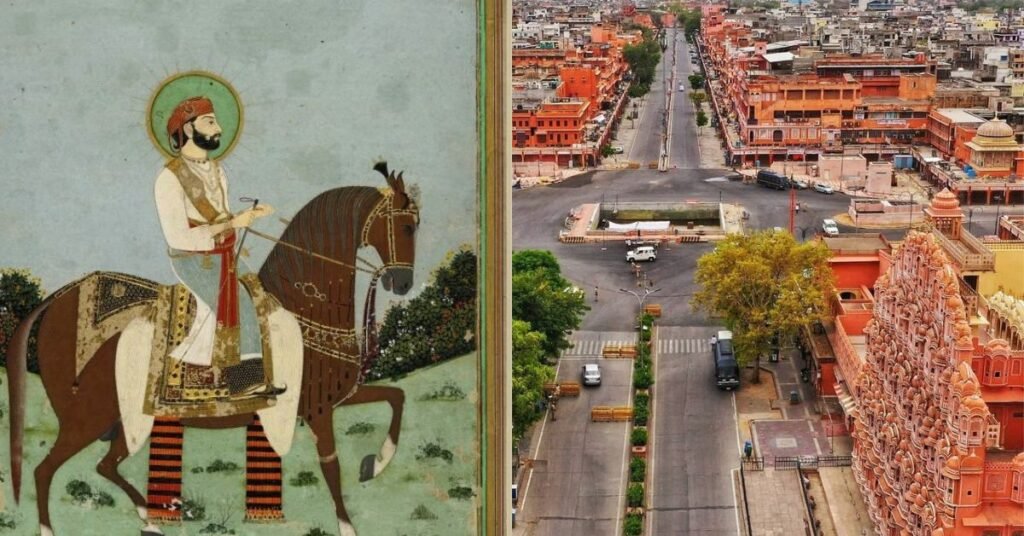
Jaipur was founded in the 18th century by Maharaja Sawai Jai Singh II and was planned with a strong understanding of geometry, movement, trade, security, and public life. Unlike many older Indian cities that grew organically, Jaipur was created with a more structured urban plan.
The walled pink city was divided into sectors, with wide streets connecting important commercial, residential, and royal areas. Public squares and markets were designed as active social spaces. This planning made the city practical, visually ordered, and suitable for trade.
For modern urban designers, Jaipur shows how a city can balance beauty and function. Its old planning ideas are still relevant for walkability, mixed-use development, street activity, and human-scaled urban design.
The Pink City Colour Palette and Its Design Impact
One of Jaipur’s most memorable features is its warm terracotta-pink appearance. This colour gives the city a unified identity and creates a strong emotional connection with visitors. The shade works beautifully with Rajasthan’s sunlight, making the facades glow at different times of the day.
From an interior design perspective, this palette offers many lessons. Soft pinks, earthy terracotta, sandstone beige, ivory, deep red, muted gold, and natural wood tones can create spaces that feel royal yet warm. These colours work well in heritage hotels, luxury homes, boutique restaurants, cultural spaces, and contemporary Indian interiors.
The colour story of Jaipur proves that a consistent palette can become a powerful design signature.
Iconic Architecture That Defines Jaipur
Jaipur is home to several architectural landmarks that continue to influence designers across the world.
Hawa Mahal
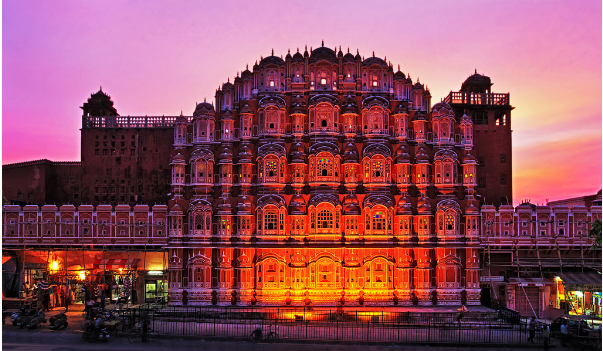
Hawa Mahal is one of Jaipur’s most recognised buildings. Its facade is famous for rows of small windows, carved jharokhas, and delicate latticework. The design allowed ventilation and privacy while creating a dramatic street-facing elevation.
For designers, Hawa Mahal is a lesson in climate-responsive architecture, facade rhythm, ornamentation, and filtered light.
City Palace
The City Palace blends Rajput, Mughal, and European design influences. Its courtyards, gateways, painted doors, arches, and royal rooms show how architecture can express power, elegance, and cultural identity.
Interior designers can take inspiration from its use of symmetry, decorative walls, patterned flooring, rich textiles, and detailed craftsmanship.

Jantar Mantar
Jantar Mantar reflects Jaipur’s scientific and astronomical vision. Its large geometric instruments show how architecture can go beyond shelter and become a tool for knowledge.
The site is especially important for designers who are interested in geometry, scale, shadow, and spatial experience.

Amer Fort
Amer Fort combines defensive architecture with royal luxury. Its courtyards, mirror work, frescoes, gateways, and hilltop setting create a dramatic relationship between landscape and built form.
For interior designers, Amer Fort offers ideas in reflective surfaces, ornamental ceilings, traditional motifs, and layered spatial movement.

Jaipur Markets
Johari Bazaar, Bapu Bazaar, Tripolia Bazaar, and other traditional markets are important parts of Jaipur’s design identity. Their shopfronts, colours, signage, textiles, jewellery, crafts, and street activity create a rich visual experience.
These markets show how commercial interiors and streetscapes can become part of a city’s cultural memory.

Interior Design Inspiration from the Pink City
Jaipur’s interiors are known for warmth, detail, and craftsmanship. The Pink City teaches us that luxury does not always need to be minimal or plain. It can also come from handwork, material richness, layered patterns, and cultural storytelling.
Key interior design elements inspired by Jaipur include:
- Arched doorways and windows
- Jaali partitions for privacy and ventilation
- Courtyard-inspired layouts
- Hand-painted walls and fresco details
- Block-printed fabrics
- Brass lamps and decorative hardware
- Carved wooden furniture
- Marble flooring and stone inlay
- Mirror work and coloured glass
- Earthy wall colours and royal accent tones
These elements can be adapted in both traditional and modern interiors. A contemporary apartment, boutique hotel, restaurant, or villa can use Jaipur-inspired details without looking outdated, as long as the design is balanced and thoughtfully edited.
Materials, Craft and Details in Jaipur Design
Jaipur’s architectural beauty is deeply connected to local materials and crafts. Stone, lime plaster, wood, metal, glass, ceramic tiles, textiles, and natural pigments all play an important role in its design character.
The pink city is also famous for skilled artisans who work with block printing, blue pottery, jewellery, miniature painting, stone carving, metalwork, and furniture. These crafts make Jaipur more than an architectural city. They make it a complete design ecosystem.
For interior designers, this is an important lesson. A space becomes more meaningful when local materials and handmade details are used with respect. Craft adds emotion, texture, and identity to interiors.

Sustainable Lessons from the Pink City
Jaipur’s older buildings offer many passive design lessons. Thick walls help reduce heat. Courtyards support airflow and natural light. Jaali screens provide shade and privacy. High ceilings improve ventilation. Narrow shaded streets reduce direct heat exposure.
These features are especially useful in hot climates. Modern architects can reinterpret them in contemporary buildings through shaded balconies, ventilated facades, internal courtyards, natural materials, and climate-sensitive planning.
Jaipur reminds us that sustainability is not always a new idea. Many traditional buildings were already designed to respond intelligently to climate.
How Modern Designers Can Use Pink City Ideas Today?
Designers can take inspiration from Jaipur without simply copying its heritage style. The goal should be to reinterpret its principles for modern living. Just as Jaipur continues to inspire Indian architecture and interiors, the architectural legacy of the eternal city shows how historic design principles can remain relevant in modern spaces through materials, arches, proportions, public life, and timeless craftsmanship.
Useful ideas include:
- Use earthy pink, terracotta, beige, and ivory as a warm base palette
- Add arches in a clean and contemporary way
- Use jaali screens as partitions or facade elements
- Bring in handcrafted furniture and textiles
- Design courtyards, balconies, or indoor garden corners
- Use brass, stone, wood, and handmade tiles for detail
- Balance ornamentation with modern furniture
- Include local art and craft as statement pieces
This approach helps create interiors that feel rooted, elegant, and timeless.
Best Places in Jaipur for Design Inspiration
Architects and interior designers visiting Jaipur should explore:
- Hawa Mahal for facade design and jharokhas
- City Palace for royal interiors and courtyard planning
- Amer Fort for spatial drama and craftsmanship
- Jantar Mantar for geometry and scale
- Patrika Gate for colour and surface decoration
- Johari Bazaar for jewellery and traditional shopfronts
- Bapu Bazaar for textiles, crafts, and local products
- Albert Hall Museum for Indo-Saracenic architectural influence
- Traditional havelis for courtyard homes and decorative interiors
Each place offers a different lesson in colour, proportion, material, detail, and spatial storytelling.
Why Does the Pink City Still Feels Beautiful and Relevant?
The Pink City is more than a historic nickname for Jaipur. It represents a complete design identity shaped by planning, colour, climate, craftsmanship, royal culture, and public life.
For architects, Jaipur is a lesson in urban order, symmetry, climate response, and landmark design. For interior designers, it is a source of inspiration for colour palettes, materials, furniture, textiles, lighting, and decorative details.
What makes Jaipur truly special is its ability to feel historic and relevant at the same time. Its palaces, forts, streets, markets, and interiors continue to inspire modern design because they are rooted in human experience, cultural memory, and timeless beauty.


