

Choosing the right design institution can shape the way future architects and interior designers think, create, and solve spatial problems. The best campuses do more than offer degrees. They build creative environments where students learn through studios, workshops, research labs, exhibitions, critiques, and real urban contexts.

Choosing the right design school can shape the way future architects and interior designers think, create, and solve spatial problems. The best campuses do more than offer degrees. They build creative environments where students learn through studios, workshops, research labs, exhibitions, critiques, and real urban contexts.
For an architecture and interior design website, this topic is not only about rankings. It is also about understanding how educational spaces influence creativity. A well-planned campus, flexible studio, material lab, library, courtyard, or collaborative lounge can become a powerful part of the learning experience.
This blog explores leading architecture and built environment institutions and highlights what each school can teach us about design, planning, sustainability, interiors, and spatial innovation.
Why School Design Matters in Architecture Education?
A strong design school needs more than classrooms. It needs spaces that support observation, experimentation, discussion, model-making, digital design, and collaboration. Architecture students spend long hours inside studios, so the quality of light, furniture, circulation, storage, acoustics, and display areas directly affects their creative process.
Interior designers can also learn from these academic environments. Open studios encourage teamwork. Pin-up walls support visual thinking. Workshops improve hands-on learning in school. Informal seating zones allow students to exchange ideas. In this way, the built environment becomes an active teacher.
Top 10 Schools in the World for Architecture and Built Environment
1. The Bartlett, UCL, United Kingdom
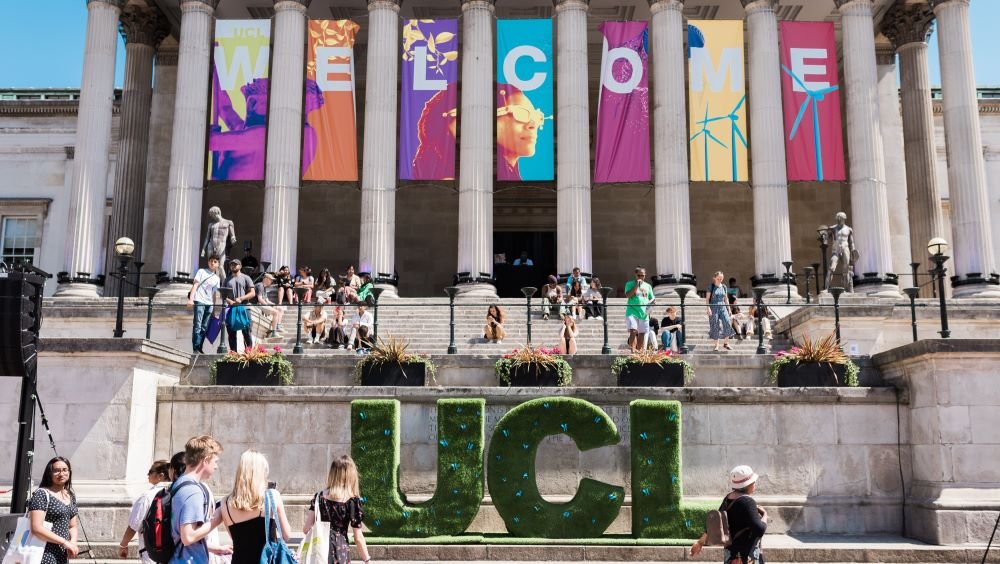
The Bartlett at University College London is widely admired for experimental design, research, and creative freedom. Located in London, it gives students access to historic architecture, contemporary buildings, museums, galleries, and global design practices.
Its learning culture encourages students to imagine architecture beyond conventional buildings. Projects often explore urban futures, digital fabrication, climate response, spatial storytelling, and new ways of living. For interior designers, The Bartlett shows how space can be emotional, technical, artistic, and social at the same time.
2. Massachusetts Institute of Technology, United States
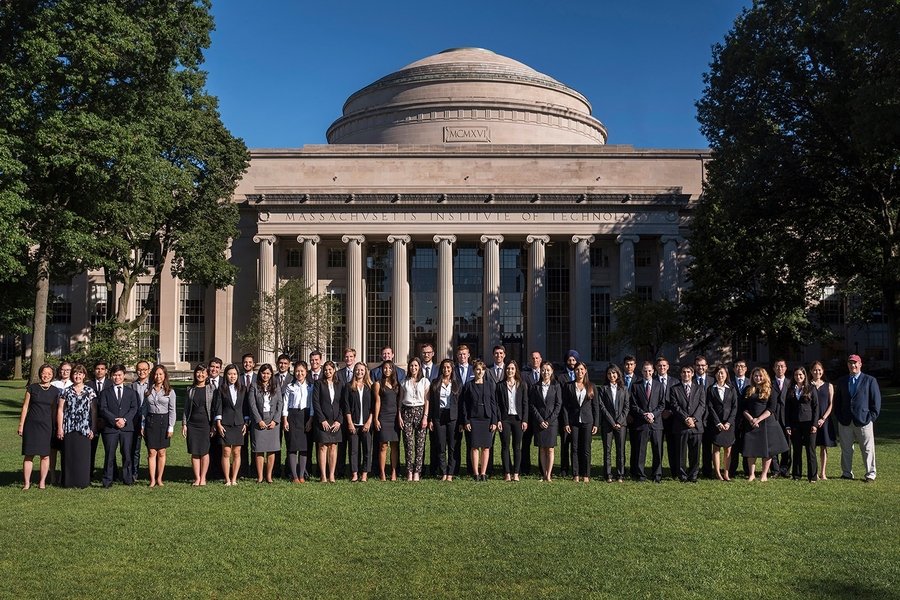
MIT brings architecture together with technology, engineering, computation, media, and environmental research. Its design education is especially relevant today because buildings are becoming smarter, more responsive, and more connected to data and sustainability.
Students explore subjects such as digital fabrication, climate design, housing, urban systems, material innovation, and future cities. For architecture and interiors, MIT proves that creativity becomes stronger when it is supported by research and technical knowledge.
3. Delft University of Technology, Netherlands
TU Delft is known for practical, research-driven, and socially responsible architectural education. The Netherlands has a strong design culture connected to urban planning, water management, cycling infrastructure, public space, and compact city living.
This context helps students understand how buildings, landscapes, infrastructure, and communities are connected. TU Delft is especially valuable for designers interested in sustainable cities, adaptive reuse, resilient planning, and human-centered environments.

4. ETH Zurich, Switzerland
ETH Zurich is respected for precision, technical excellence, material understanding, and strong architectural thinking. Its design approach reflects Swiss values such as clarity, durability, craftsmanship, and attention to detail.
Students learn to connect concept, structure, material, and construction. This is important for interiors as well, because successful spaces depend on proportion, detailing, comfort, function, and material quality. ETH Zurich reminds designers that beauty often comes from discipline and thoughtful execution.

5. Manchester School of Architecture, United Kingdom
Manchester school offers an interesting urban setting shaped by industrial heritage, regeneration, culture, and contemporary development. Its architecture education is closely linked to real city challenges, community needs, and social responsibility.
Students learn from the contrast between old warehouses, modern public buildings, adaptive reuse projects, and new urban neighbourhoods. For interior designers, Manchester school is a useful reference for transforming existing spaces while preserving character and identity.

6. Politecnico di Milano, Italy
Politecnico di Milano benefits from Milan’s global reputation in architecture, interiors, furniture, fashion, product design, and exhibitions. This makes it especially relevant for students who want to understand the relationship between buildings, objects, materials, and lifestyle.
The institution combines design culture with technical knowledge and creative exploration. Its environment reflects Italian strengths such as proportion, elegance, craftsmanship, and refined material use. For interior design audiences, Milan’s influence makes this institution highly inspiring.

7. Harvard University, United States
Harvard’s Graduate School of Design is known for architecture, urban planning, landscape architecture, real estate, and design research. Its academic culture encourages critical thinking about how buildings and cities affect people, policy, climate, and society.
Students are trained to think beyond individual projects and understand design at a larger scale. For architects and interior designers, Harvard school shows how spatial decisions can influence communities, public life, housing, and cultural identity.

8. National University of Singapore, Singapore
The National University of Singapore is highly relevant in Asia because of its focus on tropical design, dense cities, high-rise architecture, sustainability, and climate-responsive planning. Singapore itself offers a strong living example of efficient urban development.
Students study how buildings can respond to heat, humidity, compact sites, greenery, and modern lifestyle needs. For interior designers, NUS highlights the importance of ventilation, daylight, greenery, flexible layouts, and comfort in dense urban environments.

9. Tsinghua University, China
Tsinghua University is known for architecture, planning, heritage, and contemporary urban studies. China’s rapidly developing cities give students exposure to large-scale design challenges, infrastructure, public architecture, and cultural preservation.
Its design education connects traditional knowledge with modern construction and future urban thinking. For architecture and interior design professionals, Tsinghua offers useful lessons in balancing history, density, technology, and changing lifestyles.

10. University of California, Berkeley, United States
UC Berkeley is recognised for progressive design education, sustainability, public interest design, and research. Its location in California gives students exposure to modern housing, landscape integration, seismic design, environmental awareness, and experimental building practices.
Berkeley’s approach is strongly human-centred. It encourages students to design with concern for climate, equity, comfort, and community. For interiors, this means thinking carefully about how people experience light, materials, movement, privacy, and shared spaces.

What Designers Can Learn from Every School on This List?
The biggest lesson from these institutions is that design education depends heavily on environment. A creative campus should support both focused work and informal interaction. Studios should be flexible, workshops should be accessible, and exhibition areas should allow ideas to be shared openly.
For architecture and interior design professionals, these examples show that educational interiors must be functional, inspiring, durable, and adaptable. A good academic space should encourage curiosity, teamwork, experimentation, and confidence.
How to Choose the Right School for Architecture and Interior Design?
Before choosing a design institution, students should look beyond ranking alone. The right option depends on personal goals, preferred country, budget, portfolio strength, studio culture, and area of interest. Students who are especially interested in studying in the United States can also explore this detailed guide on top architectural colleges in the USA to compare leading design institutions, studio culture, and architecture career opportunities.
Important factors include:
- Course structure and specialisations
- Faculty and studio approach
- Campus facilities and workshops
- Internship and industry exposure
- Sustainability and research focus
- Interior design and spatial design opportunities
- City context and architectural exposure
- Portfolio and admission requirements
The best choice is the one that matches your design direction, learning style, and long-term career plan.
To sum up with
The world’s leading architecture and built environment institutions do more than train students to design buildings. They shape how future designers think about people, cities, materials, interiors, climate, culture, and technology.
From UCL and MIT to Delft, ETH Zurich, NUS, Tsinghua, and Berkeley, each institution offers a different lesson. Some focus on innovation and research, while others highlight craft, sustainability, urban life, heritage, or social responsibility.
For architecture and interior design readers, these institutions are worth studying because they prove that learning spaces matter. A thoughtfully designed campus can inspire better ideas, better environments, and better design futures.