

The Taj Hotel is more than a place to stay in Mumbai. It is a living example of how architecture and interior design can shape culture, memory, and emotion.
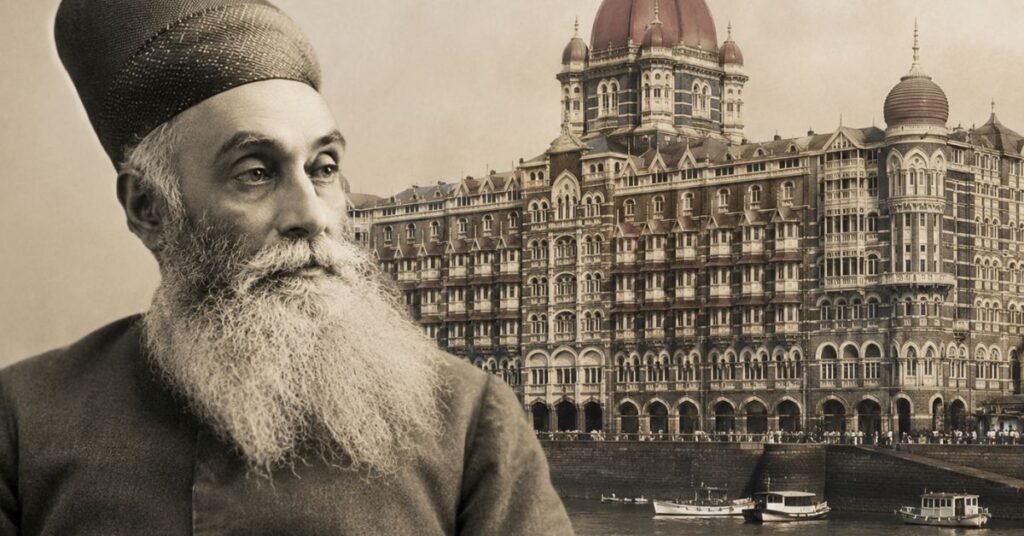
The Taj Mahal Palace, Mumbai is not just a hotel; it is one of India’s most recognisable architectural landmarks. Standing proudly at Apollo Bunder, facing the Gateway of India and the Arabian Sea, the palace hotel brings together history, hospitality, craftsmanship, art, and design in a way few buildings can.
For an architectural and interior design audience, this landmark is fascinating because it is not defined by one style alone. Its beauty lies in a layered mix of Indian identity, colonial-era grandeur, sea-facing planning, ornate details, and a timeless sense of arrival.
Taj at Apollo Bunder: A Landmark That Changed Mumbai’s Skyline
When the Taj hotel opened in 1903, it introduced a new standard of grand hospitality in India. Commissioned by Jamsetji Tata, the building was imagined as a world-class destination that could stand proudly beside the finest hotels of the world.
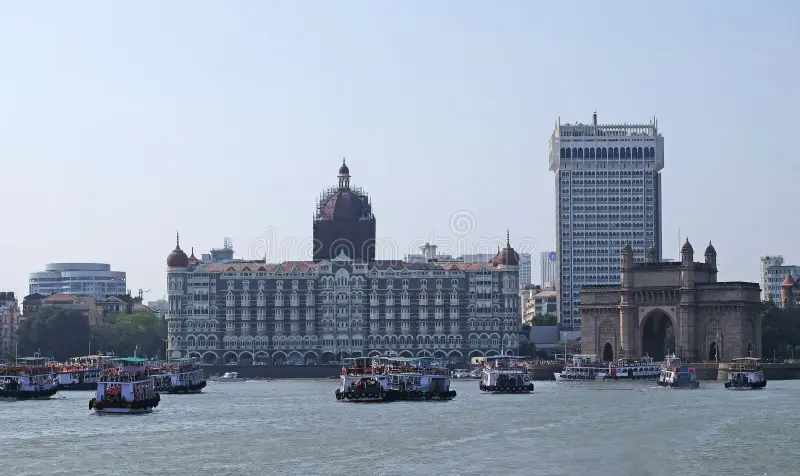
Its location added to its power. Facing the harbour, the taj hotel became one of the first major sights for travellers arriving by sea. Even today, its presence near the Gateway of India gives it a ceremonial quality. The building is not hidden within the city; it announces itself as part of Mumbai’s public memory.
Architecturally, the location is one of its strongest assets. The sea, the promenade, the Gateway, and the Colaba neighbourhood all contribute to the hotel’s identity as a cultural and urban landmark.

A Blend of Indian and European Influences
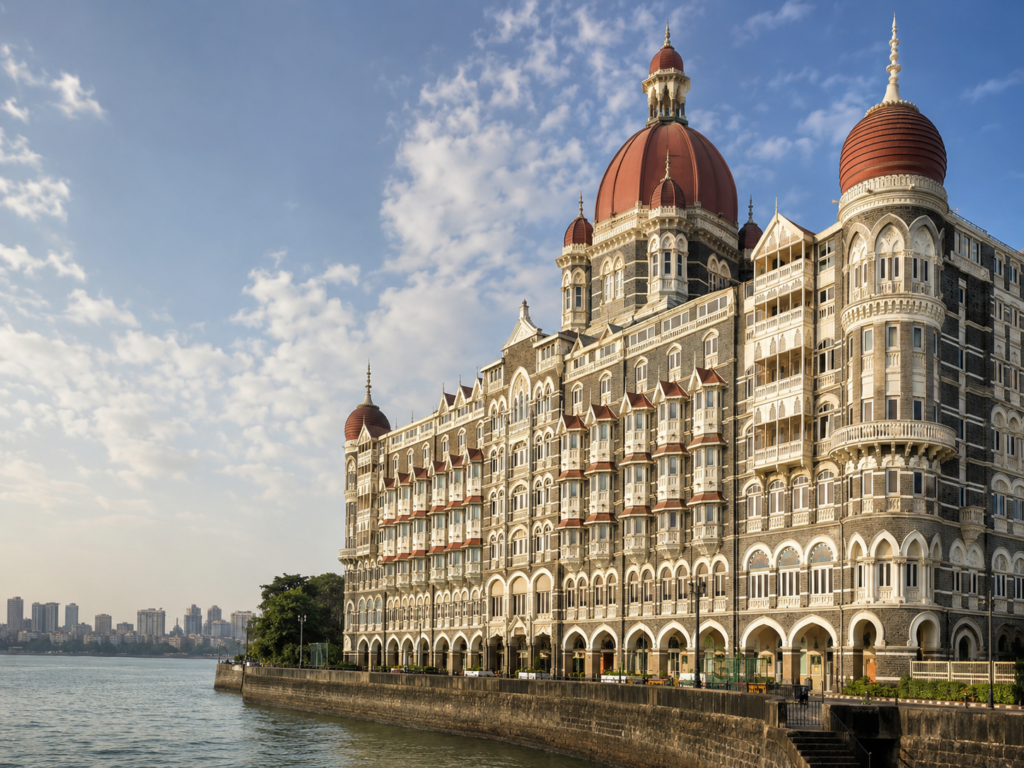
The palace wing is admired for its rich architectural mix. Its design language brings together domes, arches, decorative balconies, carved details, and grand proportions. The result is a building that feels royal without belonging to a single architectural tradition.
The structure reflects influences often associated with Indo-Saracenic, Moorish, Oriental, Rajput, and European design. This layered style gives the hotel its distinctive personality. It does not feel like a copied European palace or a purely regional structure. Instead, it feels like a Mumbai original.
One of the most memorable exterior features is the central dome, which creates a strong silhouette against the sea-facing skyline. The building’s façade, rhythm of windows, and ornamental details give it both elegance and visual drama.
Inside Taj: Regal Interiors with a Sense of Arrival
The interiors are designed to make the guest feel transported. From the moment one enters, the hotel creates a strong sense of ceremony through scale, lighting, material richness, and spatial drama.
The public spaces often feel like a sequence of experiences rather than just functional areas. Corridors, lobbies, lounges, staircases, and galleries work together to create movement and anticipation. For interior designers, this is one of the hotel’s strongest lessons: luxury is not only about expensive materials; it is also about how spaces unfold.
Period art, fine natural materials, polished surfaces, chandeliers, detailed ceilings, and warm lighting help create an atmosphere that feels refined and deeply rooted in history.

Taj Suites and Rooms: Where Classic Comfort Meets Modern Hospitality
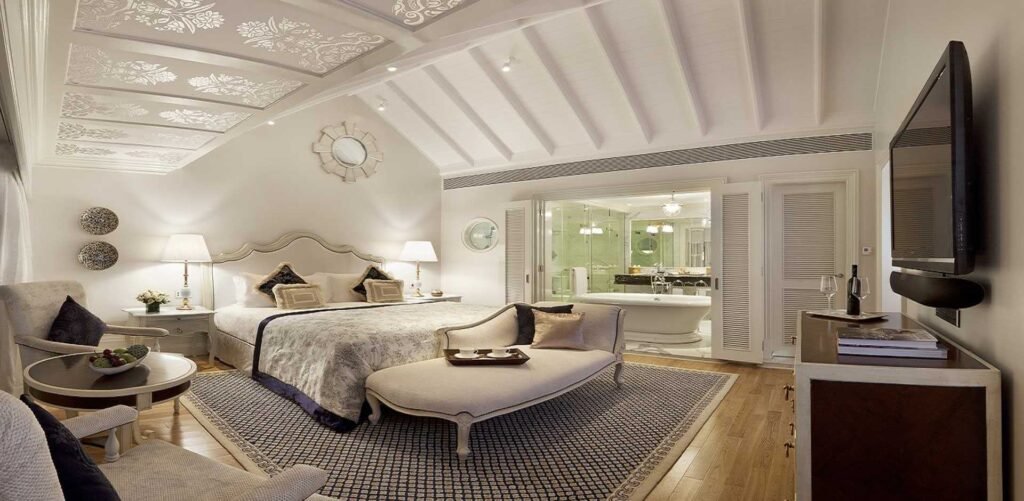
The guest rooms and suites balance heritage character with contemporary comfort. In a historic hotel, the challenge is always to modernise without losing soul. This property manages that balance by preserving an old-world mood while offering the amenities expected from a leading luxury hotel.
A successful heritage room needs more than decoration. It must feel restful, intimate, and timeless. Soft fabrics, curated art, rich wood tones, elegant lighting, and carefully planned furniture layouts help create that feeling.
For designers, the key takeaway is restraint. A historic interior should not be overloaded with excessive ornament. The best rooms allow architecture, texture, view, and proportion to speak.
Dining at the Taj: Interior Design Through Experience
Dining spaces inside the hotel are an important part of its design story. Restaurants, bars, lounges, and tea rooms are not just hospitality zones; they are immersive interiors where food, lighting, furniture, service, and history come together.
The hotel is known for a variety of dining experiences, from formal restaurants to relaxed lounges. Each space requires a different atmosphere. A fine-dining room may rely on drama and precision, while a lounge may use softer lighting, comfortable seating, and a slower rhythm.
For an architecture and interior design website, this is an important point: hospitality design is emotional. The best hotel interiors do not only look beautiful in photographs; they influence how people sit, move, converse, celebrate, and remember a place.
Art, Details, and the Taj Design Language
Art plays an important role in shaping the identity of the palace hotel. Paintings, installations, antiques, decorative objects, and architectural details add layers of memory to the interiors.
Unlike a new hotel where design can sometimes feel staged, this landmark has accumulated character over time. Its details feel collected rather than simply installed. That is what gives the interiors depth.
The design language is also shaped by contrast. Grand public areas sit alongside quieter corners. Ornate rooms are balanced by sea views. Historic details are supported by modern hospitality systems. This balance allows the hotel to remain relevant without losing its original charm.

Taj and the Power of Sea-Facing Design
The Arabian Sea is central to the hotel’s atmosphere. Sea-facing architecture has a unique advantage because natural light, breeze, horizon, and changing weather become part of the design experience.
Rooms, lounges, and public areas that face the water gain a sense of openness. The view softens the grandeur of the interiors and connects the building to Mumbai’s coastal character. The hotel feels both monumental and romantic because it is anchored by the sea.
For designers, this is a valuable lesson. A strong natural setting should not be treated as background. It should guide window placement, seating orientation, lighting choices, and the emotional tone of the interiors.
Why the Taj Still Inspires Architects and Designers?
More than 120 years after opening, the taj hotel continues to inspire because it represents something rare: a building that is historic, functional, luxurious, and emotionally powerful at the same time.
Its design success comes from many layers. The architecture gives it identity. The interiors give it warmth. The sea-facing site gives it drama. The art and details give it memory. The hospitality keeps it alive.
For modern architects and interior designers, the hotel proves that true design value is not created by trend alone. It comes from proportion, storytelling, craftsmanship, context, and the ability of a space to remain meaningful across generations. For readers who want to explore more examples of India’s landmark architecture, Archthread’s feature on Top 10 Architectural Masterpieces in India offers a wider look at the buildings and monuments that continue to shape the country’s design identity. Like the Taj Hotel, these architectural icons show how history, craftsmanship, scale, and cultural symbolism can turn a structure into a timeless experience.
Final Design Takeaway
The Taj Hotel is more than a place to stay in Mumbai. It is a living example of how architecture and interior design can shape culture, memory, and emotion.
Its domes, corridors, lounges, rooms, dining spaces, art, and sea-facing views all work together to create an experience that feels grand yet personal. That is why this landmark continues to stand as one of India’s most admired hospitality icons.
For design lovers, the hotel is a reminder that the most powerful spaces are not only beautiful; they carry history, identity, and atmosphere.
FAQ About Taj Hotel
Is Taj bigger or Marriott?
Marriott is vastly bigger than Taj on a global scale. Marriott operates over 8,000 properties worldwide across 30+ brands. Taj Hotels is a much smaller luxury chain primarily based in India with just over 100 properties.
What does 1 cup of tea cost in the Taj Hotel?
At a Taj Hotel, a single cup of tea (like a basic Masala Chai) generally costs between ₹450 and ₹850 before taxes. When ordering from luxury in-house cafes like the Sea Lounge in Mumbai, the final price can reach closer to ₹750 to ₹900 after adding applicable taxes.
What is the cost of lunch in Taj Hotel Mumbai?
An Ideal meal for 2-3 people: 2 starters and 1 main course cost around 3000 (Average 900-1200 per dish) A Proper meal would be Up to 6000. You can walk in and grab a Tea or coffee for 250-300 Approx.
What happened to the Taj Mahal hotel in Mumbai?
The Taj Mahal Palace Hotel in Mumbai was one of the primary targets of the coordinated 26/11 terrorist attacks in 2008. The historic heritage wing sustained severe fire and structural damage during the three-day siege. Following extensive restoration, it fully reopened in 2010 and continues to operate as a luxury landmark.


