

There are very few monuments in the world that instantly feel familiar, even if you’ve never seen them in person. The Statue of Liberty is one of them. Standing tall on Liberty Island in New York Harbor, it’s not just a structure, it's a presence. Over time, it has come to represent freedom and hope, but beyond that, it’s also an impressive piece of design that balances elegance with strength in a way that still feels relevant today. Key Takeaways: A Symbol of Freedom- The Statue of Liberty stands for freedom, democracy and hope. It is one of the most famous landmarks in the world. The Statue of Liberty is a masterpiece of design and engineering-It was created by Frédéric Auguste Bartholdi and Gustave Eiffel worked on its structure. The monument is an example of artistic design and advanced engineering-The Statue of Liberty is an example of Neoclassical design.Its beautiful folds of clothing, balanced shape and calm face show the influence of Greek and Roman styles. The internal iron structure of the Statue of Liberty is very flexible.This helps the statue to withstand winds and changes in temperature. The Statue of Liberty is a symbol of freedom and engineering. Masterminds behind the Liberty Heritage The Statue of Liberty was gifted by France to the United States in 1886, designed by sculptor Frédéric Auguste Bartholdi with structural engineering by Gustave Eiffel. Officially called Liberty Enlightening the World, it was meant to symbolize freedom and democracy. What’s interesting is that while most …

There are very few monuments in the world that instantly feel familiar, even if you’ve never seen them in person. The Statue of Liberty is one of them. Standing tall on Liberty Island in New York Harbor, it’s not just a structure, it’s a presence. Over time, it has come to represent freedom and hope, but beyond that, it’s also an impressive piece of design that balances elegance with strength in a way that still feels relevant today.
Key Takeaways:
A Symbol of Freedom- The Statue of Liberty stands for freedom, democracy and hope. It is one of the most famous landmarks in the world.
The Statue of Liberty is a masterpiece of design and engineering-It was created by Frédéric Auguste Bartholdi and Gustave Eiffel worked on its structure.
The monument is an example of artistic design and advanced engineering-The Statue of Liberty is an example of Neoclassical design.Its beautiful folds of clothing, balanced shape and calm face show the influence of Greek and Roman styles.
The internal iron structure of the Statue of Liberty is very flexible.This helps the statue to withstand winds and changes in temperature.
The Statue of Liberty is a symbol of freedom and engineering.

Masterminds behind the Liberty Heritage
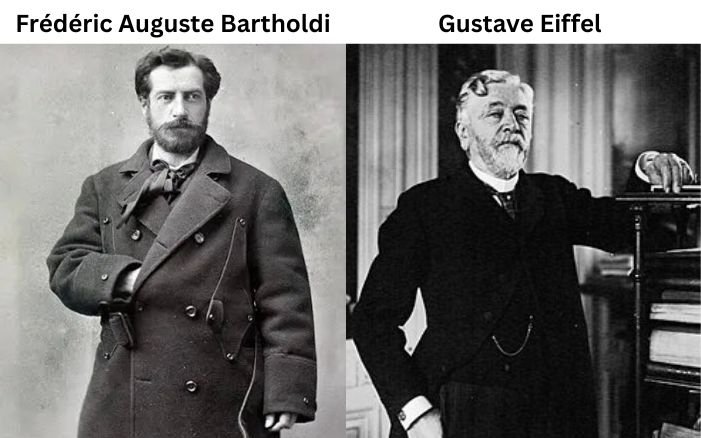
The Statue of Liberty was gifted by France to the United States in 1886, designed by sculptor Frédéric Auguste Bartholdi with structural engineering by Gustave Eiffel. Officially called Liberty Enlightening the World, it was meant to symbolize freedom and democracy. What’s interesting is that while most people focus on its meaning, the way it has been built and designed is just as remarkable. From the beginning, it wasn’t only about symbolism it was about creating something that would last and leave an impression.
Architectural Style of the Statue of Liberty
The overall look of the Statue of Liberty is inspired by neoclassical design, which is why it feels timeless. The flowing robes, the calm posture, and the balanced proportions all reflect influences from ancient Greek and Roman sculptures. There’s a certain stillness in the figure of Lady Liberty that gives her authority without making her look rigid or intimidating.
When it comes to materials, the statue is made from thin sheets of copper placed over a strong internal framework. Over the years, the copper reacted with air and moisture, giving it the green color we now associate with it. It wasn’t originally designed to look this way, but the transformation has only added to its identity.
The internal structure is where things get even more interesting. Gustave Eiffel designed a flexible framework that allows the statue to move slightly with strong winds and temperature changes. For something built in the late 1800s, this level of engineering detail is impressive and explains why the structure has remained stable for so long.
Symbolism and Dominance
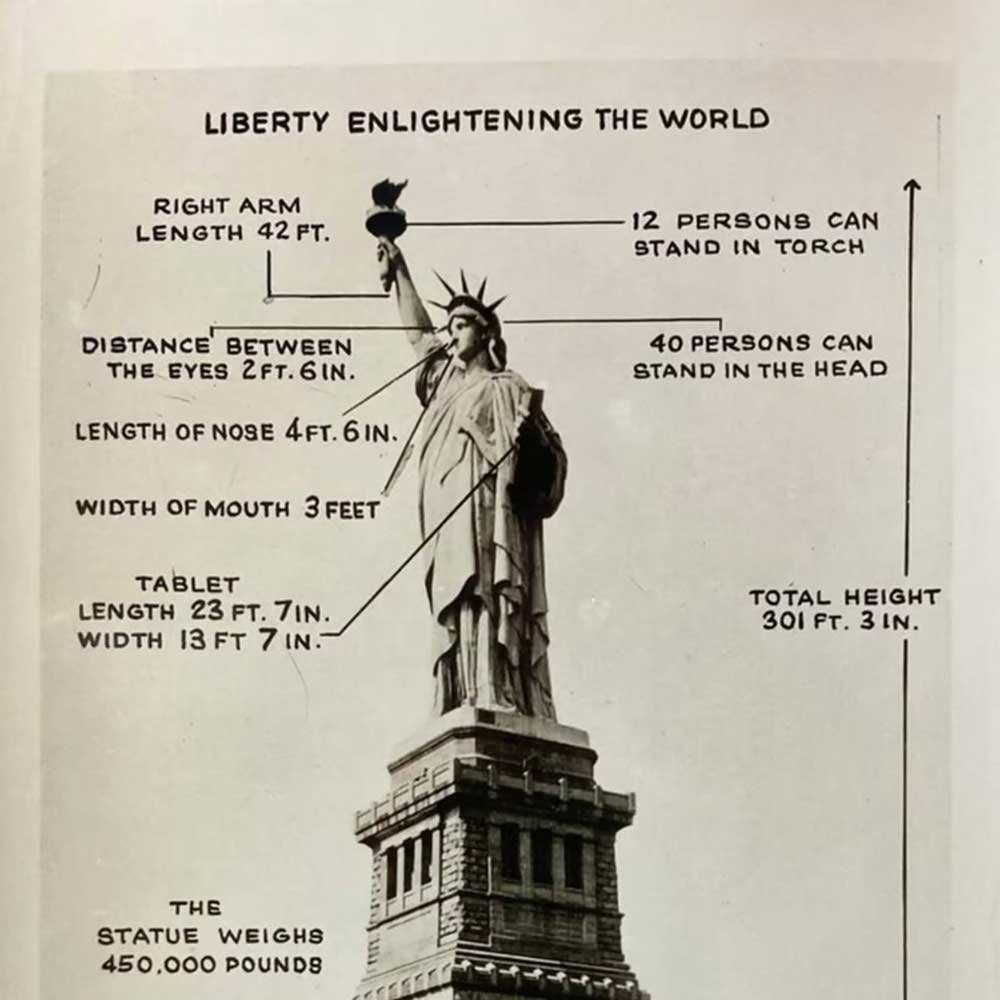
While the design is elegant, the Statue of Liberty also carries a strong sense of dominance, mainly through its scale and symbolism. Standing over 300 feet tall, it naturally draws attention. Its placement in New York Harbor means it can be seen from a distance, especially by ships approaching the city. Historically, this made it the first thing many immigrants saw when arriving in America, turning it into a deeply emotional landmark.
Each element of the statue adds meaning. The torch represents light and progress, almost like a guide. The tablet in her left hand, marked with July 4, 1776, connects it to the idea of independence and law. Then there are the broken chains at her feet, which are easy to miss but important they symbolize freedom from oppression. These details are subtle, but together they create a strong and layered message.
A Blend of Style and Dominance
What makes the Statue of Liberty stand out is how naturally it combines beauty with strength. The soft folds of the drapery and the calm facial expression give it a sense of grace, while the height and upright stance give it authority. It doesn’t rely on exaggerated features to feel powerful. Instead, it uses balance and proportion, which makes the design feel more thoughtful than forceful.
Interior Design and Visitor Experience

Seeing the statue from the outside is one thing, but going inside offers a completely different experience. The narrow spiral staircase, the visible framework, and the climb toward the crown make you realize how complex the structure actually is. It’s not just a solid figure it’s a carefully assembled system.
Reaching the crown gives visitors a broader perspective of New York’s urban identity, much like the evolving architectural character seen across iconic destinations such as Times Square. It connects the physical structure with its surroundings, making you understand why it was placed there in the first place. The nearby museum also helps put everything into context, showing how the statue was built and what it represents.
Cultural and Global Impact
Over time, the Statue of Liberty has become more than just an American landmark. It has appeared in films, books, and artworks, often used as a symbol of hope or resilience. Its influence has spread globally, with replicas built in different countries. Even people who have never visited it recognize what it stands for.For many immigrants in the past, the statue marked the beginning of a new life. That emotional connection is part of what keeps its meaning alive even today.
Engineering Excellence Behind the Statue of Liberty
From a technical point of view, the statue is just as impressive as it is visually. It was designed to handle strong winds by swaying slightly instead of resisting force completely. The materials allow for expansion and contraction with changing temperatures, which helps prevent damage over time. Despite being over a century old, it remains structurally sound, which says a lot about the level of planning that went into it.
Summing it Up
The Statue of Liberty is a rare example of how architecture can combine meaning, design, and engineering so effectively. It manages to look graceful while also feeling powerful, which is not easy to achieve. Its design is not overly complicated, yet every detail serves a purpose.
More than just a monument, it tells a story about freedom, resilience, and human ambition. And perhaps that’s why it continues to connect with people across generations. It doesn’t just stand there; it communicates something.
In the end, the Statue of Liberty isn’t just something you look at. It’s something you understand a little more each time you think about it.